Acting
Marianela Núñez is an Argentine-British ballet dancer. She is a principal dancer with The Royal Ballet, London.
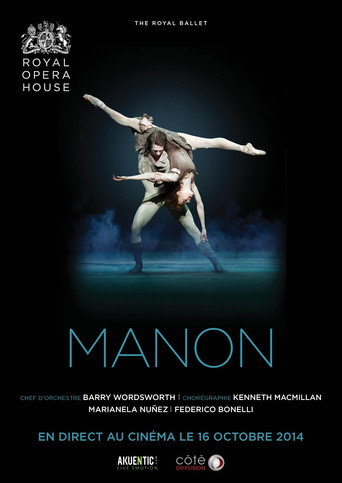
Manon and the young student Des Grieux fall passionately in love. But Manon longs for riches, excitement and luxury. When the nobleman De Brétigny offers to make her his mistress, she finds it hard to resist.
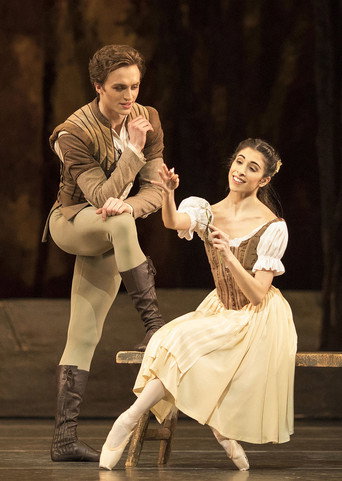
Giselle is the classic ballet of the Romantic era – and, for the dancer performing the title role, one of the greatest challenges in the repertory. Peter Wright’s production, a classic itself, perfectly achieves the dual aspects of the ballet, moving from the naivety of young love between Giselle and Albrecht in the village setting of Act I to the ethereal Wilis in Act II’s eerie moonlit forest. Rich in vivid character detail and poignant depth of feeling, Giselle is a reminder of ballet’s power to move and thrill.
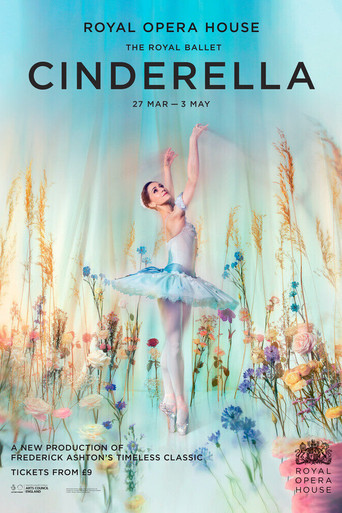
Royal Ballet Founder Choreographer Frederick Ashton’s Cinderella celebrates its 75th anniversary this Season. The ballet’s opening night in 1948, featuring Moira Shearer and Michael Somes in the lead roles, was received rapturously. After over a decade away from the Royal Opera House stage, Ashton’s timeless reworking of Charles Perrault’s famous rags-to-riches story returns, showcasing the choreographer’s deft musicality and the beauty of Prokofiev’s transcendent score. A creative team steeped in the magic of theatre, film, dance and opera brings new atmosphere to Cinderella’s ethereal world of fairy godmothers and pumpkin carriages, handsome princes and finding true love.
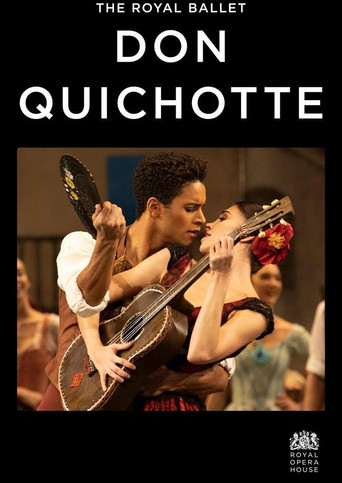
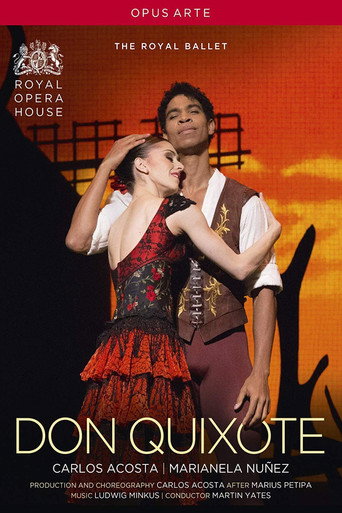
Don Quixote, based on Miguel de Cervantes’ epic novel of the same name, regales the adventures of the eccentric nobleman Don Quixote and his faithful squire Sancho Panza, as they help to bring a vivacious young couple, Kitri and Basilio, together.
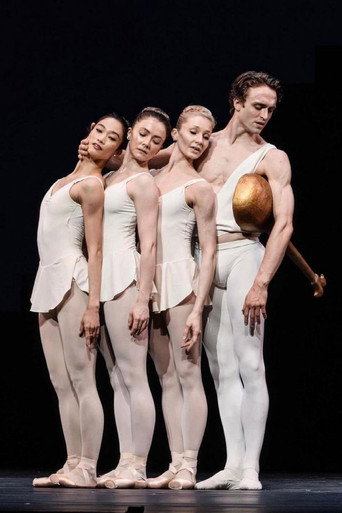
The rich history of American ballet is celebrated in classic works by George Balanchine and Jerome Robbins, two choreographic giants of the 20th century. Apollo brought Balanchine together for the first time with composer Igor Stravinsky. Their creation for Diaghilev’s Ballets Russes in 1928 remains a masterpiece of neoclassicism in its striking depiction of the young god of music and his three muses. Balanchine’s effervescent Tchaikovsky Pas de Deux breathes life into a long-lost movement from Tchaikovsky’s original score for Swan Lake. Created in 1960 for virtuoso New York City Ballet dancers Violette Verdy and Conrad Ludlow, its thrilling technical challenges are still relished by performers today.
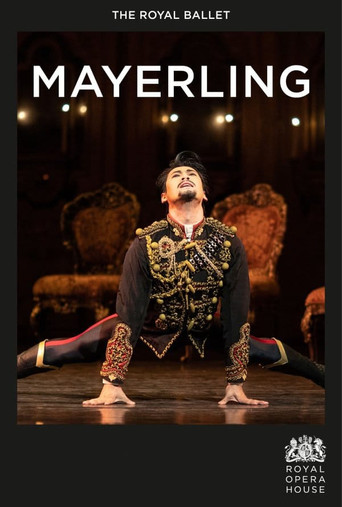
Inspired by dark and gripping real life events, this Royal Ballet classic depicts the sexual and morbid obsessions of Crown Prince Rudolf leading to the murder-suicide scandal with his mistress Mary Vetsera. The oppressive glamour of the Austro-Hungarian court in the 1880s sets the scene for a suspenseful drama of psychological and political intrigue as Rudolf fixates on his mortality. Kenneth MacMillan's 1978 ballet remains a masterpiece of storytelling and this revival marks 30 years since the choreographer’s death. Expect to see the Company at its dramatic finestacross potent ensemble scenes and some of the most daring and emotionally demanding pas de deux in the ballet repertory.
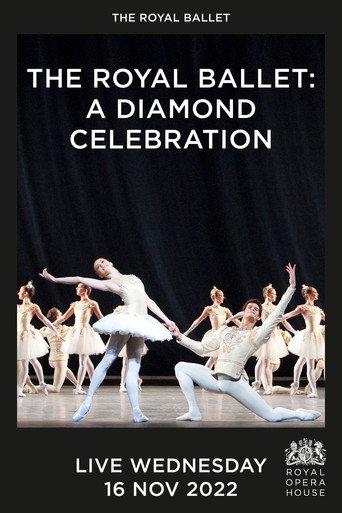
The Royal Ballet’s dazzling Principals lead an evening not to be missed, their sparkling talents a perfect fit for a diamond anniversary. Celebrating the 60th anniversary of The Friends of Covent Garden, this programme recognises the amazing support of all ROH Friends past and present. The showcase will demonstrate the breadth and diversity of The Royal Ballet’s repertory in classical, contemporary and heritage works. It will also include world premieres by Pam Tanowitz, Joseph Toonga and Valentino Zucchetti plus the Company’s first performance of For Four by Artistic Associate Christopher Wheeldon and a performance of George Balanchine’s Diamonds.
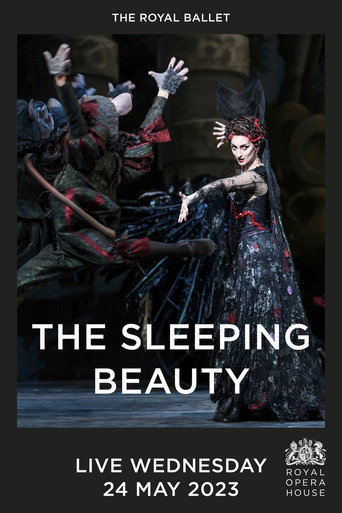
The Sleeping Beauty holds a very special place in The Royal Ballet’s heart and history. It was the first performance given by the Company when the Royal Opera House reopened at Covent Garden in 1946 after World War II. In 2006, this original staging was revived and has been delighting audiences ever since. Frederick Ashton famously cited the pure classicism of Marius Petipa’s 19th-century ballet as a private lesson in the atmospheric art and craft of choreography. Be swept away by Tchaikovsky’s ravishing music and Oliver Messel’s sumptuous designs with this true gem from the classical ballet repertory.
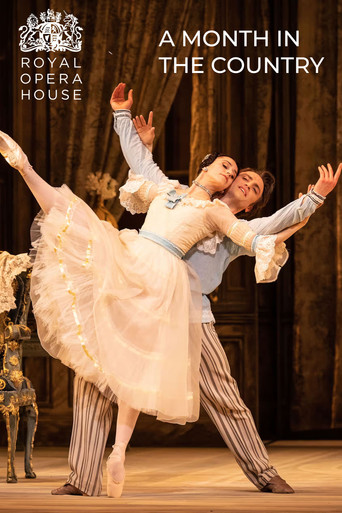
Ashton gracefully reimagines Turgenev's play A Month in the country as a one-act ballet where all the drama unfolds in the family's living room upon the arrival of dashing young tutor. Characters come in and out, their feelings for one another displayed through solos and pas de deux, highlighting Ashton's talent for playing out complex drama through detailed and intricate choreography.
Carlos Acosta's first venture directing one of ballet's 19th century classics was eagerly anticipated, as was his own starring role in the production (as Basilio), opposite the Argentinian Royal Ballet principal Marianella Nuñez (Kitri). Still built on Petipa's original choreography, Acosta's clear dramatic structure and vivid stage action gave the ‘boy gets girl despite her father’ story a more convincing air than usual, with Don Quixote's parallel obsession with Dulcinea-Kitri coherently woven into the plot.