Acting
No biography available.
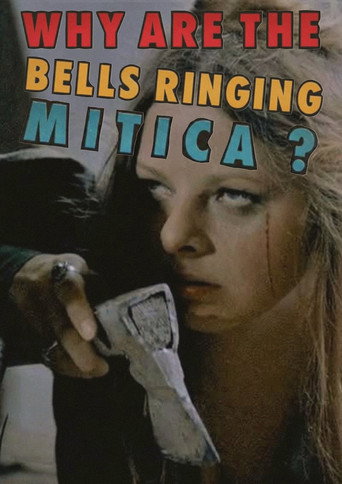
A description of Romania before Ceausescu's downfall, through the story of Nela. Daughter of a former colonel of the Securitate, the romanian political police. She refused to become like her sister, an agent of this Securitate, and lives with her father. After he died, she leaves Bucharest, and ends up in a little town, where she meets Mitica, a surgeon, another herself, laughing at everything.
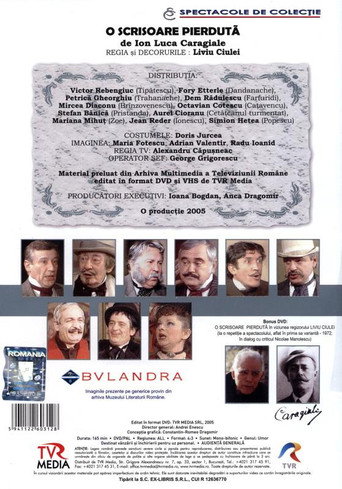
Based on a theatrical text by Romanian writer Ion Luca Caragiale (1852-1912), who was a bitter and funny witness of the turn-of-the-20th-century Romanian bourgeois mores, Carnival Scenes manages to preserve and further enhance the slightly hysteric atmosphere of his plays. Pintilie creates a strange combination of carnival scenes which is brought to the screen as a burlesque, fast-paced, screwball comedy with a meditative undertone. This film was banned in Romania for a decade until the death of Ceausescu in 1989 and was only released after the 1989 revolution.
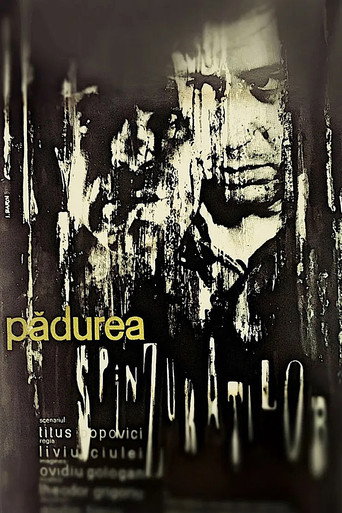
In 1916 as an officer in the Habsburg Army ethnic Romanian Apostol Bologa is torn between remaining loyal to the Habsburgs or deserting to the Romanian Army across enemy lines.
The plot take place in 1883 in a small provincial town in Romania, where the corrupt establishment decide everything, including - of course - who will be the "elected" representative to the national Senate. A love letter from the bachelor mayor to the wife of the local party chief, gets lost and found by a drunk party supporter. The letter finds its way to the opposition party, which decide to use the letter by blackmailing the powerful local "camarilla", and to get his own man to represent the county. What follows is not easy to guess...
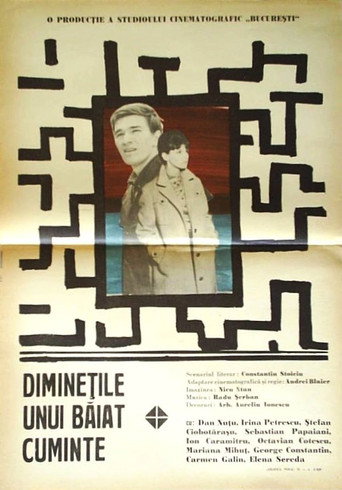
After graduating from high school and failing the university entrance exam, young Vive leaves his parents’ home in order to find his own way in life and assert his independence.
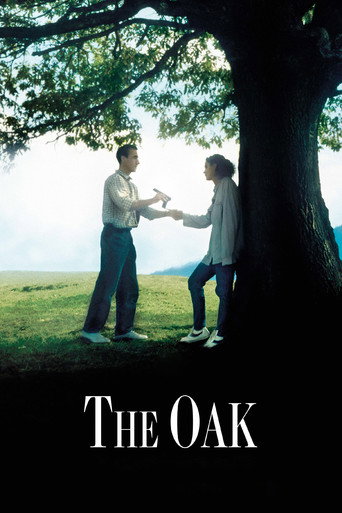
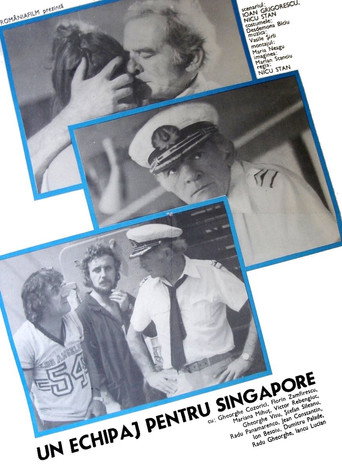
After surviving a shipwreck in the Caribbean, a captain returns home burdened by guilt and haunted by the past. Given command a ship bound for Singapore, he is treated with suspicion and hostility by his new crew.
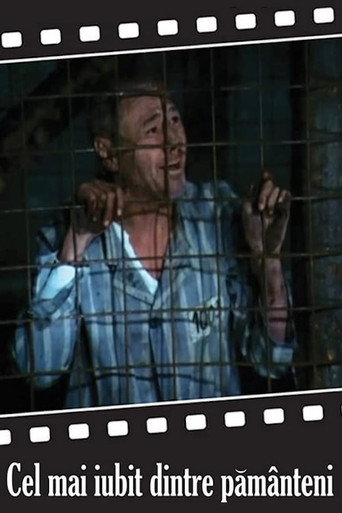
The life-story confession of a prisoner waiting for his trial. Victor Petrini, a promising intellectual in the 1950s and a lecturer in Philosophy is arrested by the repressive secret police, wrongly accused of espionage, and sentenced to prison and forced labor.
Two artists, father and son, are at odds regarding the meaning of their art.
During the 18th century when Moldavian Prince Dimitrie Cantemir writes The History of the Rise and Fall of the Ottoman Empire the manuscript is stolen and offered to the highest bidder.
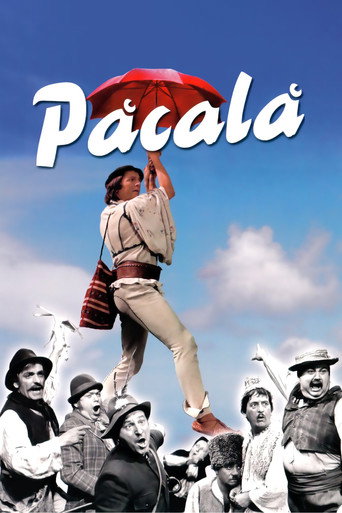
Pacala is an important hero in Romanian popular tradition. He is always making fun of everything wrong with the human behaviour such as stupidity, greed or vanity. His attitude and actions always bring damages to the mean, evil and materialistic people. So beside the jokes, the movie has this philosophical layer, undoubtedly because Pacala's independent way of being, free spirit and his love for the nature creates a way of seeing life, bringing joy. Filmed in a very beautiful part of Romania in 1974, the movie had an important success at that time and it is considered one of the most loved movies in Romania ever. Like the hero, found in many stories and jokes, the movie forwards the spirit of true freedom and pure link with the nature, forgetting about times and governments.