Mariana Caló Movies, TV Shows, and Filmography
Mariana Caló
Directing
Biography
No biography available.
Filmography Movies
Production
The Mesh and the Circle
A film essay about the form of cinema. Over the course of several months, Mariana Caló and Francisco Queimadela collected visual testimonies of various labour and ludic activities and other daily practices rooted in empirical knowledge. Establishing intuitive relations between concrete gestures and substances, sensorial experiences and analogical thinking, the authors have created a fragmentary film immersed on the idea of transformation of matter, generating a revolving movement that metamorphoses itself over time. Throughout a sequence of diverse quotidian activities, solutions and abilities the spectator is conducted over a series of connections in a game of interplay between forms of magic, pleasure, geometry, symbolism and labour.

The Urgency of Sleep and the Cosmical Dome
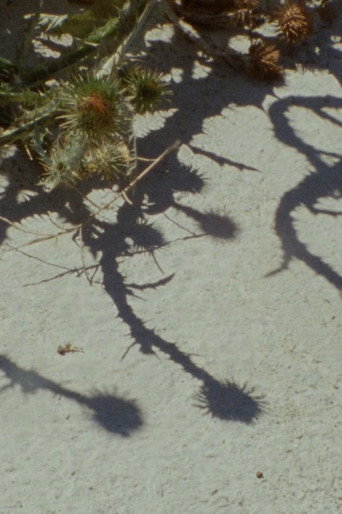
A film by Mariana Caló & Francisco Queimadela.
Luminous Shadow
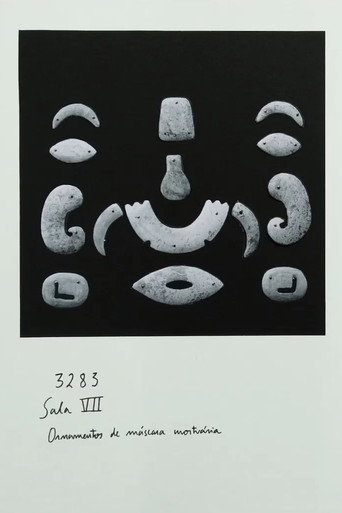
A meditation on the human form and its many representations over the centuries, this archaeological essay compiles images of statues, photos, sketches, and news clippings from Portugal’s Jose de Guimarães International Arts Centre. The filmmakers conjure a slipstream of interrelated origin stories via brief bits of narration and tableaux of various animal and mineral elements.
The Cypress Dance
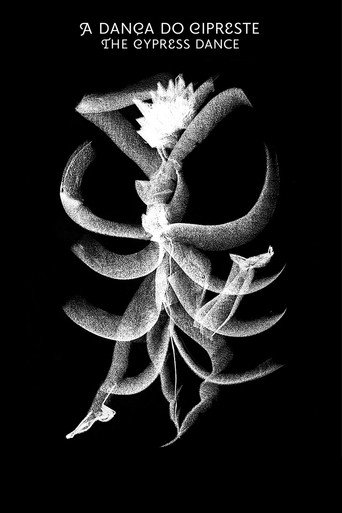
“A Dança do Cipreste” (The Cypress Dance) springs from our interest in the immanent transformations of the body driven by dreams and desire, love and death, in their lucid and ghostly variants. Embracing the influence of imagination in the encounter with nature, it brings to light relationships of continuity and discontinuity with other beings and elements, as it follows the movements of a family circle. Mariana appears to us in her solitude, a woman and painter, at the height of her search for pleasure and desire, committed to artistic representations and her family life. Witty figures of strangeness, eroticism and violence emerge. Mariana, Henrique, Artur and Rafael, together or individually, find themselves in mutual projections and symbiotic relationships, in the days spent outdoors and in imaginary places. A sensorial portrait, which combines simple relationships of contact and affection, exploratory moments in nature and creations of the spirit.
The Cypress Dance
“A Dança do Cipreste” (The Cypress Dance) springs from our interest in the immanent transformations of the body driven by dreams and desire, love and death, in their lucid and ghostly variants. Embracing the influence of imagination in the encounter with nature, it brings to light relationships of continuity and discontinuity with other beings and elements, as it follows the movements of a family circle. Mariana appears to us in her solitude, a woman and painter, at the height of her search for pleasure and desire, committed to artistic representations and her family life. Witty figures of strangeness, eroticism and violence emerge. Mariana, Henrique, Artur and Rafael, together or individually, find themselves in mutual projections and symbiotic relationships, in the days spent outdoors and in imaginary places. A sensorial portrait, which combines simple relationships of contact and affection, exploratory moments in nature and creations of the spirit.
The Cypress Dance
“A Dança do Cipreste” (The Cypress Dance) springs from our interest in the immanent transformations of the body driven by dreams and desire, love and death, in their lucid and ghostly variants. Embracing the influence of imagination in the encounter with nature, it brings to light relationships of continuity and discontinuity with other beings and elements, as it follows the movements of a family circle. Mariana appears to us in her solitude, a woman and painter, at the height of her search for pleasure and desire, committed to artistic representations and her family life. Witty figures of strangeness, eroticism and violence emerge. Mariana, Henrique, Artur and Rafael, together or individually, find themselves in mutual projections and symbiotic relationships, in the days spent outdoors and in imaginary places. A sensorial portrait, which combines simple relationships of contact and affection, exploratory moments in nature and creations of the spirit.
The Cypress Dance
“A Dança do Cipreste” (The Cypress Dance) springs from our interest in the immanent transformations of the body driven by dreams and desire, love and death, in their lucid and ghostly variants. Embracing the influence of imagination in the encounter with nature, it brings to light relationships of continuity and discontinuity with other beings and elements, as it follows the movements of a family circle. Mariana appears to us in her solitude, a woman and painter, at the height of her search for pleasure and desire, committed to artistic representations and her family life. Witty figures of strangeness, eroticism and violence emerge. Mariana, Henrique, Artur and Rafael, together or individually, find themselves in mutual projections and symbiotic relationships, in the days spent outdoors and in imaginary places. A sensorial portrait, which combines simple relationships of contact and affection, exploratory moments in nature and creations of the spirit.
The Cypress Dance
“A Dança do Cipreste” (The Cypress Dance) springs from our interest in the immanent transformations of the body driven by dreams and desire, love and death, in their lucid and ghostly variants. Embracing the influence of imagination in the encounter with nature, it brings to light relationships of continuity and discontinuity with other beings and elements, as it follows the movements of a family circle. Mariana appears to us in her solitude, a woman and painter, at the height of her search for pleasure and desire, committed to artistic representations and her family life. Witty figures of strangeness, eroticism and violence emerge. Mariana, Henrique, Artur and Rafael, together or individually, find themselves in mutual projections and symbiotic relationships, in the days spent outdoors and in imaginary places. A sensorial portrait, which combines simple relationships of contact and affection, exploratory moments in nature and creations of the spirit.
The Cypress Dance
“A Dança do Cipreste” (The Cypress Dance) springs from our interest in the immanent transformations of the body driven by dreams and desire, love and death, in their lucid and ghostly variants. Embracing the influence of imagination in the encounter with nature, it brings to light relationships of continuity and discontinuity with other beings and elements, as it follows the movements of a family circle. Mariana appears to us in her solitude, a woman and painter, at the height of her search for pleasure and desire, committed to artistic representations and her family life. Witty figures of strangeness, eroticism and violence emerge. Mariana, Henrique, Artur and Rafael, together or individually, find themselves in mutual projections and symbiotic relationships, in the days spent outdoors and in imaginary places. A sensorial portrait, which combines simple relationships of contact and affection, exploratory moments in nature and creations of the spirit.