Directing
No biography available.
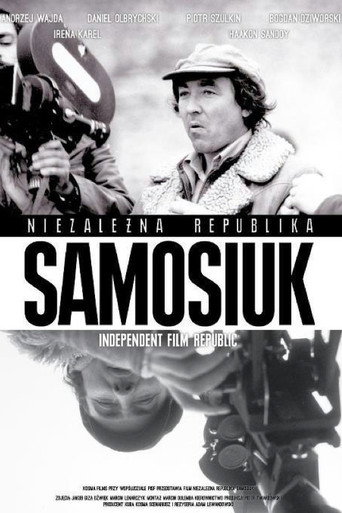
The film is a portrait of Zygmunt Samosiuk, a great forgotten cinematographer, who died in 1983. As a director of photography he worked on such films as The Birch Wood, Landscape Afterthe Battle and Austeria. He introduced, among others, hand‑held camera shots, colour lights and shooting at minimum exposure. Reminiscences of his colleagues and friends, including Andrzej Wajda and Piotr Szulkin, show a gifted artist and a modest man who valued his work above all.
Marian Marzyński goes behind the scenes with his camera, showing the making of television programs in the 1960s. He reveals production difficulties, mishaps, and complaints from dissatisfied viewers.
"A film of 50 seconds showing a pianist playing Chopin's Valse Minute in the middle of a sports stadium." - MIFF. Screened in the 1967 New York Film Festival.
Filmmaker Marian Marzynski documents the first 30 years of his daughter Anya’s life.
The small town of Bransk used to boast a large Jewish population before the Holocaust. As Bransk prepares to celebrate its 500th anniversary, the authorities debate whetherto acknowledge the town's Jewish past
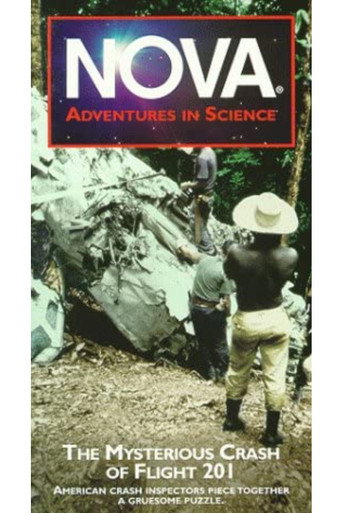
US federal investigators are called in to determine the cause of a mysterious jetliner crash in Panama. Nothing about the accident makes sense, until a key clue emerges.
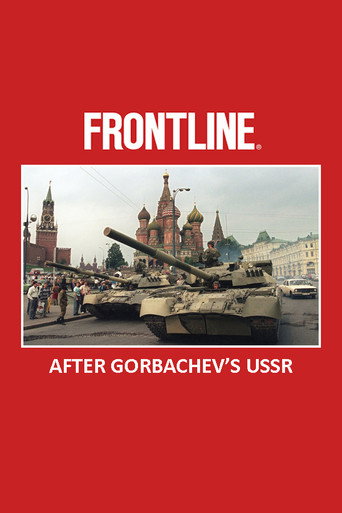
Frontline correspondent Hedrick Smith, the award-winning host of “Inside Gorbachev’s USSR,” revisits the former Soviet Union to investigate how the institutions and people he filmed for his 1990 series are dealing with the challenge of change. Smith finds a nation enjoying new freedoms of speech and conscience but on the brink of economic and political disaster.
The auction of things found in Warsaw buses and trams is a pretext for the director to show a gallery of faces of Warsaw smarties and other respected representatives of the consumer society. The film proves that the Christmas "run for carp", in various forms, is a traditional national sport of Poles.
Marian Marzyński's documentary is a recording of circus artists' rehearsals. The director manages to show not only the physical effort of the acrobats, but, above all, their emotions and their striving for perfection and struggle with their own limitations. The camera focuses especially on the partnerships of the athletes working in pairs. It shows their interdependence on the way to the best possible performance of the trained acrobatic routine, based on the precise delineation of roles and mutual trust.