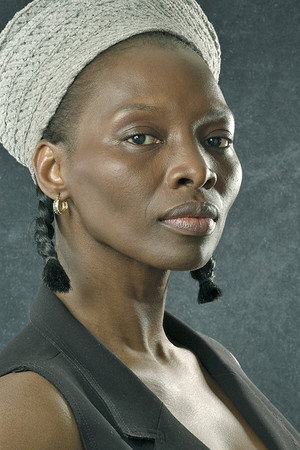
Mariam Kaba Movies, TV Shows, and Filmography

Mariam Kaba
Acting
Biography
Mariam Kaba (born 9 August 1961) is a French-Guinean actress. Kaba was born in Kankan, Guinea, the daughter of Mohamed Ba Kaba, a diplomat and the author of several books on Islam. She moved to France in the early 1980s. After receiving her baccalaureate, Kaba enrolled at École des nouveaux métiers de la communication largely at the behest of her father. She only attended the school for a year and spent the money her father sent her on acting lessons, studying under Isabelle Sadoyan. Kaba's first stage role was as the wife of Toussaint Louverture, alongside Benjamin Jules-Rosette, director of the Théâtre noir in Paris. Soon thereafter, she landed a role in the TV series Marc and Sophie. In 1989, Kaba made her film debut in Périgord noir, directed by Nicolas Ribowski. She played Maina, a young woman who came to work in the Périgord region. In 1992, she starred in her first African film, Blanc d'ébène. A World War II epic directed by Cheik Doukouré, she played a nurse engaged to the teacher Lancéi Kanté. Later in the year, Kaba appeared in Idrissa Ouedraogo's Samba Traoré. She collaborated with Doukouré again in 1994, in Le Ballon d'or. Her son was born in 1999. In 2000, Kaba played Pauline Lumumba, wife of the politician Patrice Lumumba, in Raoul Peck's Lumumba. Kaba had known his son, Roland, in her youth but did not want to meet Pauline in advance of the role. She fought for the role because she was interested in the history. Kaba has appeared in more than 15 French TV shows and TV films, such as Navarro, Villa mon rêve, l'Avocate, Quatre cent suspects and Justice de femmes. Her most controversial performance was in the 2002 TV films Fatou la Malienne and Fatou l'Espoir, directed by Daniel Vigne. Kaba played the mother of Fatou, forcing her into an unwilling marriage. It sparked outcry in Mali and led to her being heckled on the street. Kaba explains that she read the script before meeting the real Fatou, and would never allow her husband to do a similar thing to her daughter. Source: Article "Mariam Kaba" from Wikipedia in English, licensed under CC-BY-SA 3.0.
Filmography Movies
Acting
Villa mon rêve
Because they could no longer stand the xenophobic comments and behavior of their neighbors, Véronique and Sylvain Marchand, parents of a little girl and members of the Stop Racism organization, went into exile in a quiet suburban town, where they bought a house, the villa "Mon rêve". Soon after, the Dialo family, friendly Africans, moved into the adjoining house. At first, the two families get along perfectly. The only problem was that the Dialos organized many parties, which often ended late at night. The patience and understanding of the Marchands only delay the inevitable conflict.
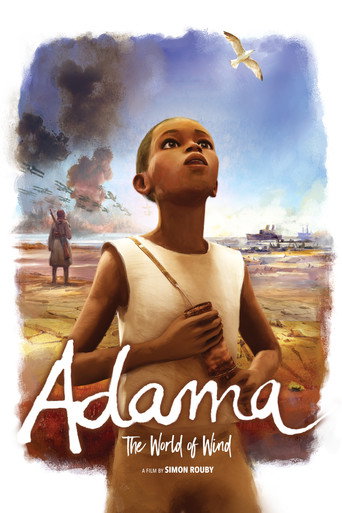
Adama: The World of Wind
12 year-old Adama lives in a remote village in West Africa, sheltered by the cliffs. Out beyond lies "the world of wind," the kingdom of wicked spirits hungry for war. When his elder brother Samba suddenly vanishes from the village, Adama decides to set off in search of him, crossing into a Europe in the grip of World War I.
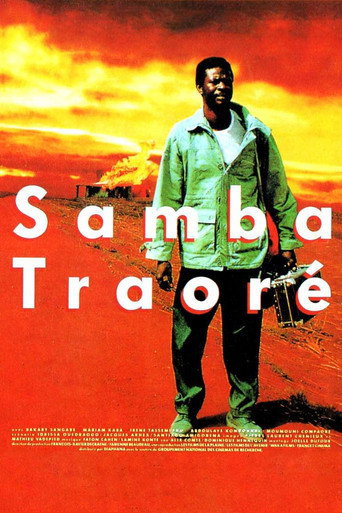
Samba Traoré
During a robbery at a petrol station in town, one of the accomplices is shot dead. The other, Samba Traoré, flees with the loot: a suitcase full of banknotes. After years away, he returns to his native village. Life has gone on as usual, and Saratou is as beautiful as he remembers her. Director Idrissa Ouedraogo paints a portrait of a man haunted by his past, trying to rebuild his life and start afresh. But past mistakes never stay buried for long.

He Even Has Your Eyes
Paul is married to Sali. Everything would be fine if they could get a child. Until the day when Sali receives the call that they have been waiting for so long: their adoption file is approved. He is adorable, he is 6 months old, his name is Benjamin. He is blond with blue eyes and white. They - are black.
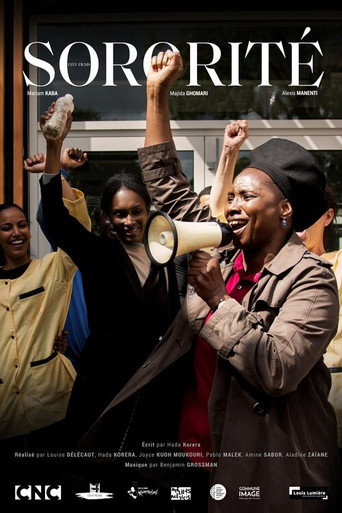
Sororité
Djéné is a 45-year-old chambermaid employed by a subcontracting agency, working in a large Parisian hotel with deplorable working conditions. One evening, she discovers one of her colleagues unconscious, a victim of the frantic pace imposed by their managers. Djené decides to bring her colleagues together to make their voices heard.
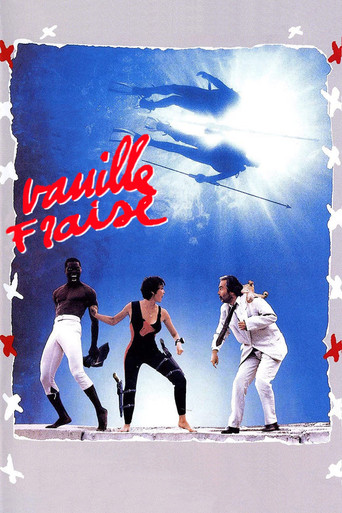
Vanille fraise
Husband finds out that his wife is a secret agent and that she has a handsome partner.
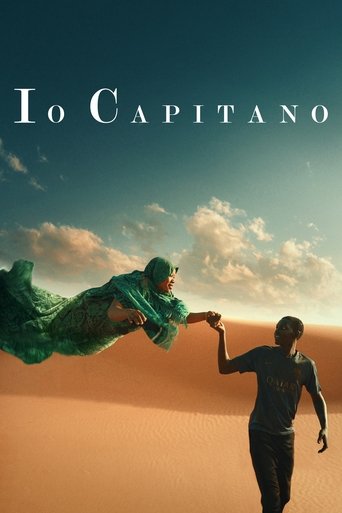
Io Capitano
Longing for a brighter future, two Senegalese teenagers embark on a journey from West Africa to Italy. However, between their dreams and reality lies a labyrinth of checkpoints, the Sahara Desert, and the vast waters of the Mediterranean.
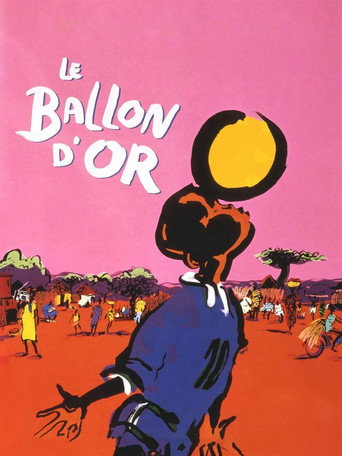
The Golden Ball
The Golden Ball is a wonderful children's film that tells of a young boy's dream of being a soccer player. Whenever a match is broadcast live in the village of Makono, Bandian and his brother keep their ears to the transistor radio, spinning a picture of the game from the announcer's commentary much as they fantasize themselves on the field. A gift of a real soccer ball, which Bandian paints gold, like a magical object involves him in a series of adventures which bring him in reach of his dream, but which also require him to make difficult choices.
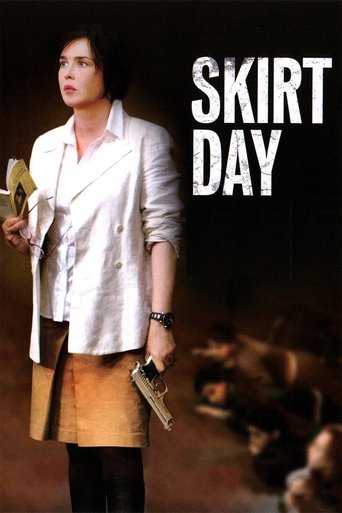
Skirt Day
A teacher, driven to exasperation from insults and insubordination, takes her class hostage.
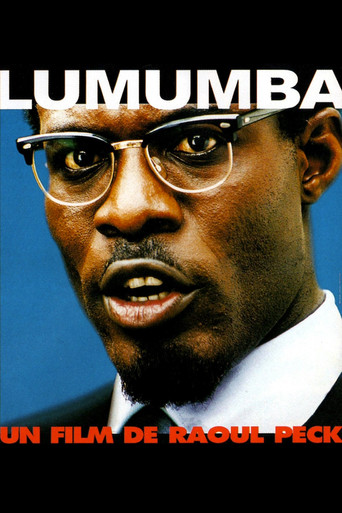
Lumumba
The true story of the rise to power and brutal assassination of the formerly vilified and later redeemed leader of the independent Congo, Patrice Lumumba. Using newly discovered historical evidence, Haitian-born and later Congo-raised writer and director Raoul Peck renders an emotional and tautly woven account of the mail clerk and beer salesman with a flair for oratory and an uncompromising belief in the capacity of his homeland to build a prosperous nation independent of its former Belgian overlords. Lumumba emerges here as the heroic sacrificial lamb dubiously portrayed by the international media and led to slaughter by commercial and political interests in Belgium, the United States, the international community, and Lumumba's own administration; a true story of political intrigue and murder where political entities, captains of commerce, and the military dovetail in their quest for economic and political hegemony.
Gallery