Maria Skoula Movies, TV Shows, and Filmography

Maria Skoula
Acting
Biography
Maria Skola is a Greek stage and screen actress.
Filmography Movies
Acting

Last Visit
Last Visit is a tribute to Lefteris Voyatzis (1945 - 2013), an indisputable milestone in the modern history of Greek theater that defined people, projects, and our theatrical perception. He defined and was defined by the Theater of Odou Kykladon. At this place he left work, memories, and senses that still intensively exist. Through this strange dreamy visit he returns to favourable theatrical place for a proper farewell to his friends and colleagues.
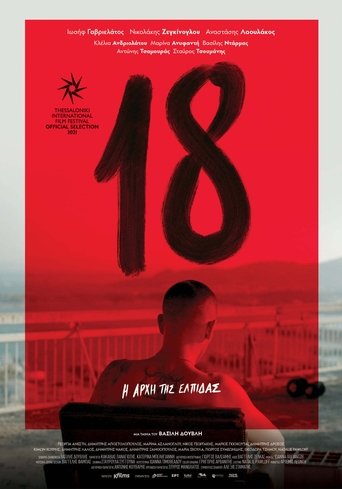
18
In a working class neighborhood of Athens of the economic crisis, resurgence of fascism and covid19, a racist group of 18-year-old students persecute immigrants, homosexuals, anyone who is just different. A classmate of theirs who does not hide his dislike for their action quickly becomes their target.

September
The death of a pet prompts the unraveling of a woman.

Ave Eva
Eva is a seven-year-old girl who accidentally sees her parents making love. This spectacle, unbearably mysterious and violent, causes fear and curiosity at the same time.
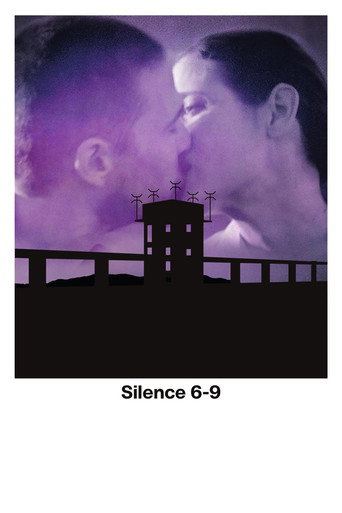
Silence 6–9
Aris and Anna meet one evening in a half-abandoned town surrounded by antennas. In this strange, dreamlike world, the two solitary souls gradually start to develop feelings for one another.
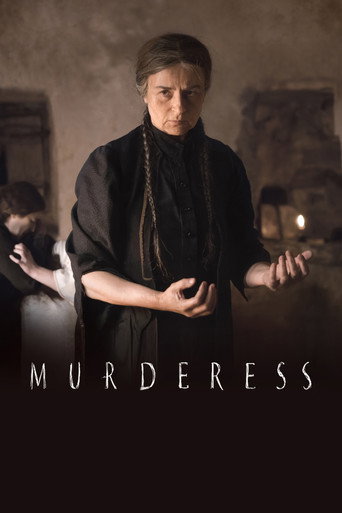
Fonissa
It is the early 20th century on a dystopian Greek island. Hadoula, a widow who lost her husband, loannis Fragkos, at a young age, is a woman who has learned how to survive in a male-dominated and extremely patriarchal society. Hadoula carries a difficult burden within her. Like a baton passed on to her from her mother, and the generations before her, she is meant to accept the belittling and degradation of women. Hadoula reacts. Her personal, internal revolution soon comes forth. The victims of her outburst are the little girls of the island, whom she sets free from the social and economic burden that their existence entails by taking their lives. Her actions will bring her face to face with the law. She leaves her home and escapes to her refuge, nature. But as much as her faith and morals dictate that she did the right thing, her trans-generational trauma follows her everywhere. And the end comes as redemption.
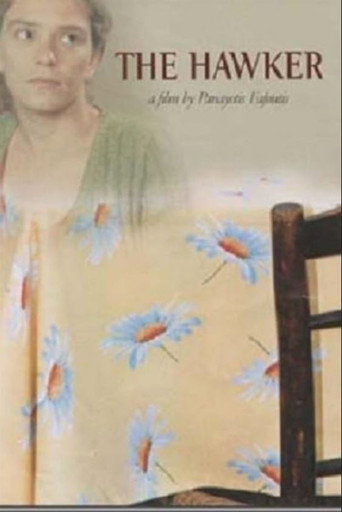
The Hawker
In a house by the side of the road that also operates as a taverna for passersby, a couple leads a dull and uneventful life. One day, a hawker talks the woman into buying colored tablecloths for her taverna on credit, and that changes things ...
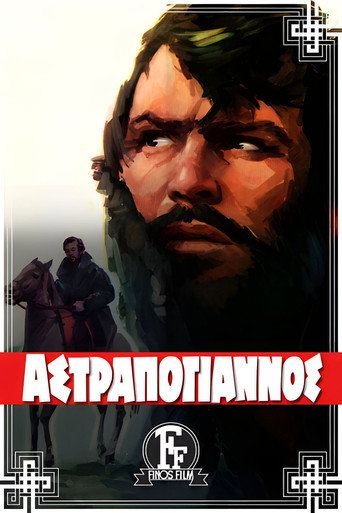
Astrapogiannos
The battle-scarred hero of the Greek Revolution, Giannos "Astrapogiannos", returns home after the end of the blood-soaked War of Independence, only to find himself in a new conflict, as he locks horns with a ruthless local Kodjabashis.

7 Kinds of Wrath
Petros is a gay archaeologist who experiences the naked Greek paranoia in the center of Athens. Either by choice or coincidence, he comes into contact with people who are "different": An Arab immigrant, who comes to Greece, a land of "infidels", determined to conquer it by any means; A Greek-French cello player, who is burdened by the agony of her alcoholic mother; A young Albanian pianist, who carries the curse of his own personal genius and divinity; A Greek immigrant, who was repatriated but now has nowhere to call home; A bank director, who believes everything can be bought, even love; A patrolman, who creates his own version of socio-political reality. Petros' contact with these people is in fact a traumatic experience. For each encounter he has to pay a price. Sometimes the price is material, while other times it's emotional. At times it is both. Will the experience gained make up for the loss?

Preparation
Three generations of women in one household do what they can to prepare for the impending loss of one of their number.
Gallery