Maria Seweryn Movies, TV Shows, and Filmography

Maria Seweryn
Acting
Biography
No biography available.
Filmography Movies
Acting
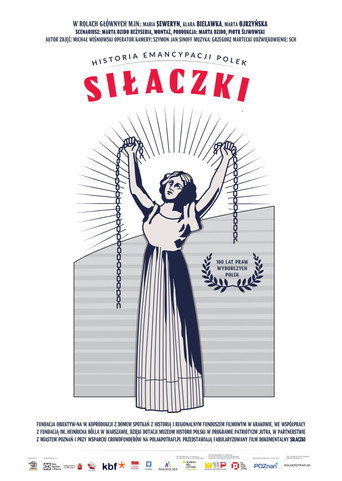
Siłaczki
A historical, fictionalized documentary film telling the story of the first Polish emancipated women, whose efforts, persistence, and consistency led Józef Piłsudski to sign a decree on women's suffrage on November 28, 1918. It shows their difficult struggle for access to education and paid work, their commitment to regaining independence, and their steadfastness in spreading the ideas of freedom and emancipation. It emphasizes the fact that Poland was one of the first countries in the world where women obtained full voting rights.
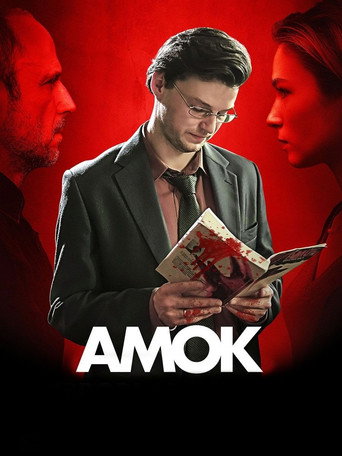
Amok
A man is murdered, but the person responsible avoids being discovered and arrested. A few years later a police inspector suspects he has found evidence in a newly-published book entitled "Amok".
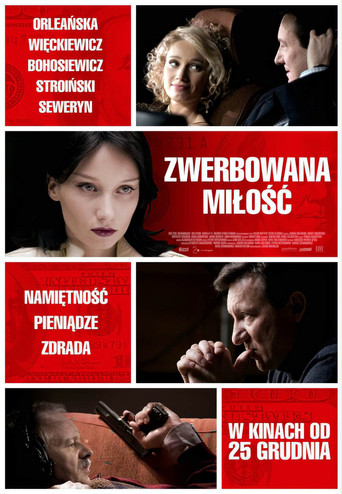
Zwerbowana miłość
A prostitute is enlisted into the Security Services in order to steal some highly classified records just as the communist regime is about to topple. What begins as political intrigue deftly turns into a complicated love affair.
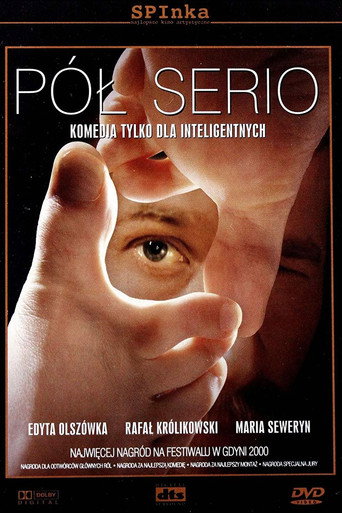
Half Seriously
Konecki works here with none other than Andrzej Saramonowicz who makes his debut as a film writer with this film that one could view as a spoof of today's cinema, focusing mainly on the part of "O Romeo, Romeo, wherefore art thou Romeo?"
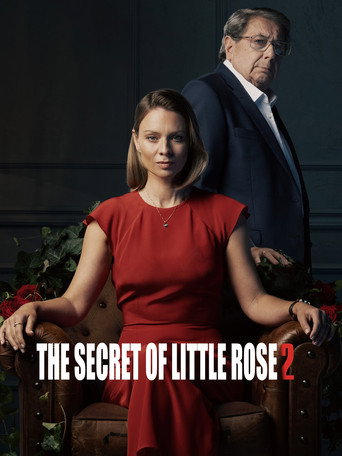
The Secret of Little Rose
Joanna Warczewska, daughter of an eminent writer, is at the peak of her life. Her thriving political career and family happiness are instantly destroyed by a terrorist attack in which her beloved husband is killed. When fate gives her a new chance in life, another blow hits her. Someone sends her photos and documents undermining her family ties and suggesting that her mother has collaborated with the Security Service in the past. Joanna decides to conduct a historical investigation on her own and unravel the mystery that casts a shadow on her family. What she discovers not only makes her look at her mother in a completely different way, but will also make her find her own identity. Joanna will be forced to face the blackmailer herself and make a choice that will change her life forever.

Never Gonna Snow Again
Zenia is an industrious Ukrainian migrant worker in Poland who makes house calls as a masseur to the needy and aspirational residents of a middle-class gated community near Warsaw. He is privy to all of their problems, anxieties and secrets – and something of an unwitting guru figure. Zenia’s grounded spirituality, apparent healing powers and broad shoulders make him an object of lust for many of the lost souls in the community.
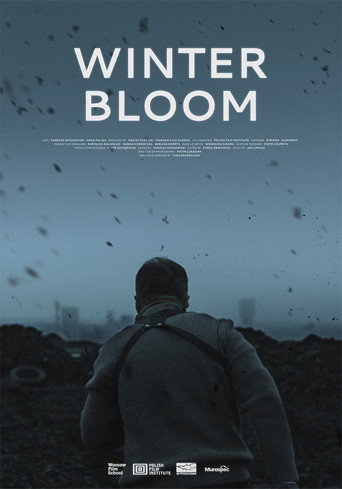
Winter Bloom
The world is devastated by an ecological catastrophe. An old mercenary with a lung disease receives a seemingly simple assignment to deliver a young girl to a destination that would enable him to retire.
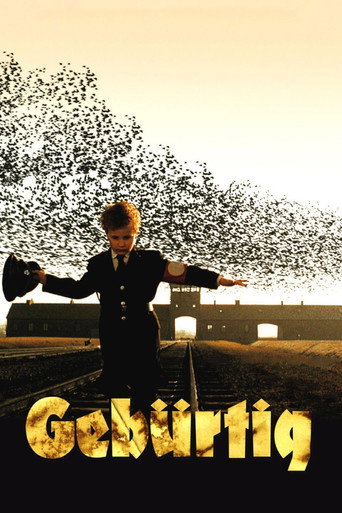
Gebürtig
A holocaust survivor now living as a respected writer in Manhattan is the only person who can identify a suspected Nazi back in his native Austria. When a beautiful reporter eager for a scoop tries to lure him back, Geburtig must decide whether to confront his past.
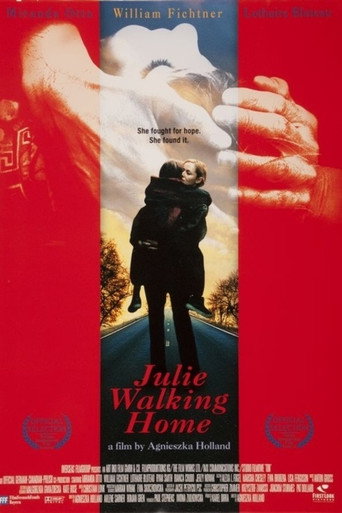
Julie Walking Home
Julie's son is dying of cancer and her marriage falling apart. She goes to Poland in search of a man who can heal using his hands. Julie finds not only a magical cure for her son, but also comes across a love so pure it begins to heal the aching in her heart.
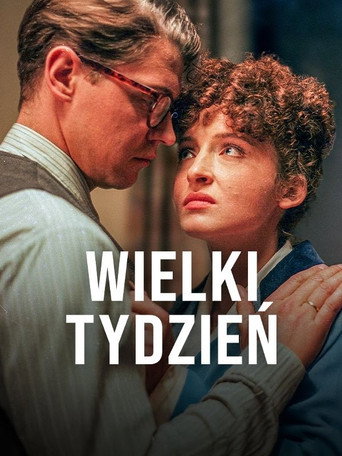
Holy Week
During the Nazi era, a Jewish woman on the run takes a trolley which passes near the Warsaw ghetto, where the uprising battle is taking place, and some passengers are struck by stray bullets. They take temporary refuge in an empty building, and there she has a chance meeting with her ex-fiancé. He offers to put her up--that is, hide her--for a few days. He's now married, a professional who lives in an idyllic suburb reached by a trolley that runs through the woods. His wife seems more committed to putting up the fugitive than he is. The story involves the neighbors, the building owner who avoids involvement and seeks solace in classic poetry, and the super and his suspicious wife.
Gallery