Production
No biography available.
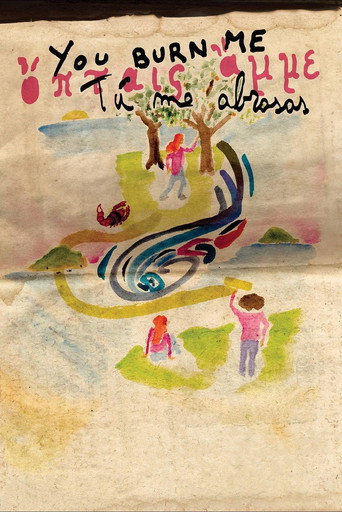
An adaptation of “Sea Foam”, a chapter from Cesare Pavese’s “Dialoghi con Leucò” published in 1947. The ancient Greek poet Sappho and the nymph Britomartis meet beside the sea and have a conversation about love and death. Sappho is said to have thrown herself into the ocean from lovesickness. Britomartis apparently tumbled off a cliff and into the water while fleeing from a man. Together, the two discuss the stories and images that have emerged around them to try and understand, at least for a moment, the bittersweet nature of desire.
On a sunny afternoon in Lisbon, Manel leaves home to look for work. He comes across an old church and remembers his late friend Pedro. The history of this space intertwines with Manel's emotional journey.
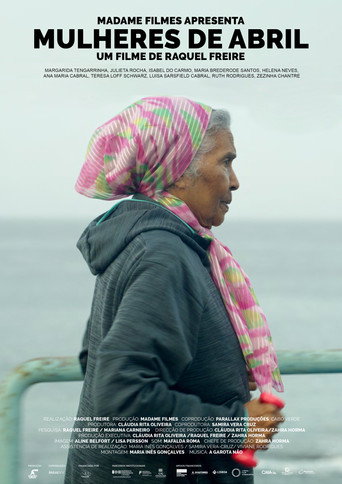
Women of the Revolution is a film that celebrates the multitude of revolutionary women: the mothers of our democracy. Through the voice, gaze, silence, and actions of each of these women, we learn about the richness of their experiences, which together give us a legacy of trust, justice, perseverance, respect, and freedom. These are women who defeated fascism, colonialism, and social inequalities in Portugal and the occupied African territories and transformed the world around them.
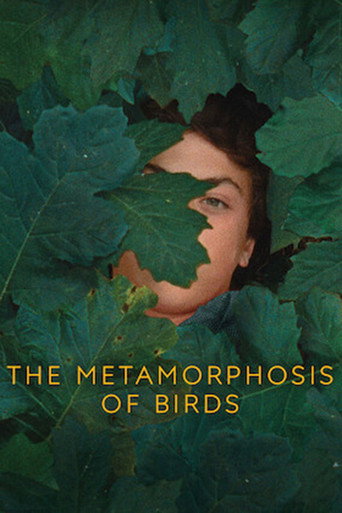
Filmmaker Catarina Vasconcelos sifts through the memories of her ancestors. Her naval officer grandfather, Henrique, who married her grandmother, Beatriz, on her 21st birthday, spent extended periods at sea, leaving her with six children. This is the beginning of a generational saga.
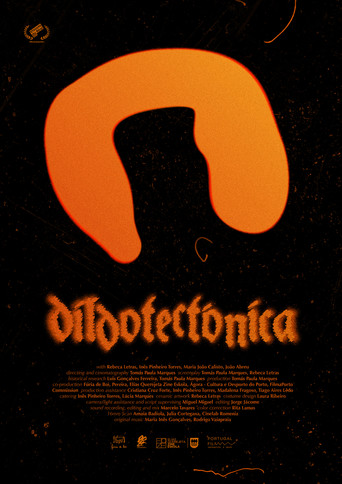
Ceramic dildos intended to go beyond cis-normative sex toys; the forbidden love of Josefa and Maria during the Inquisition; a singing narrator… Such are the elements that make up Dildotectonics. A masterful blend of time and place, this film gives free rein to a search for pleasure that is free from all normative constraints.
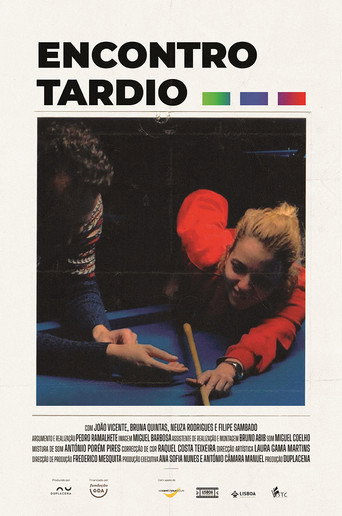
He comes home in tears. She cooks dinner disregarding the distance that has permeated their existence. But they aren’t ready to give up on trying to bridge it. Perhaps they can meet halfway.
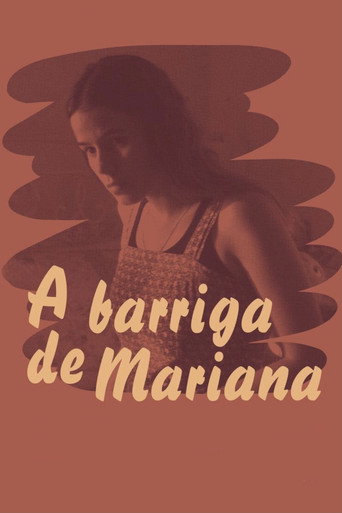
During a summer vacation, a young couple deals with an unexpected pregnancy.
The apparition of a bloodstain reaffirms the relentless cycle of life, filmed in all its fragility and complexity.
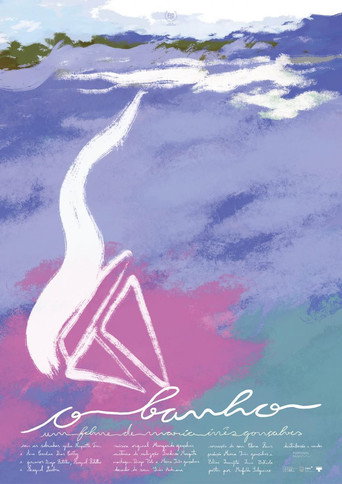
A baby is bathed by its mother, who sings: “When I was a young girl…”. Later, a little girl’s voice will pick up the thread: “When I’ll be an old lady…”. Between the two, the film sketches an anthropology of all the different games, wonders, and plays with auditory perceptions that children carry out with water in all its shapes (baths, sprinklers, lakes…). But other dimensions are hinted at: an exploration of its meanings for mankind, a kaleidoscope of its movements, textures, and reflections, a spectrum of the scales in which it is to be contemplated. (Nathan Letoré)