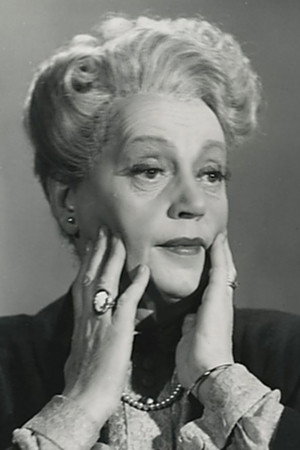
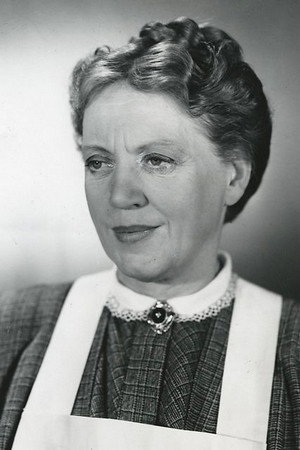
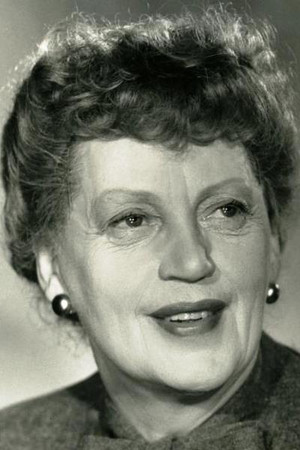
Maria Garland Movies, TV Shows, and Filmography
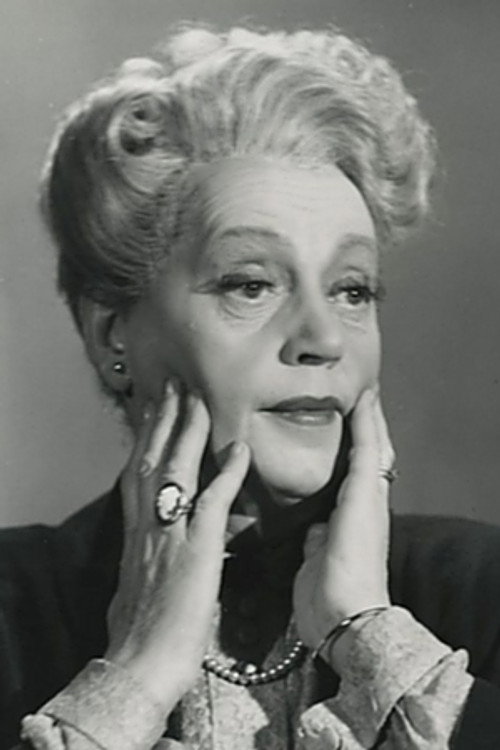
Maria Garland
Acting
Biography
No biography available.
Filmography Movies
Acting

Old Maids
Bettina Eriksen, manager of her Uncle Teodor's nursing home, is being framed for murder. With the help of 2 older ladies, Bettina sets out to find out the murderer's identity and motive.

Det gamle guld
Due to his gambling addiction, farmer Hans Sværke has brought his farm to the brink of bankruptcy, thereby opening up the opportunity for the wealthy landowner Karius to achieve his goal of taking over the farm. However, parish bailiff Mikkelsen vouches for Sværke and saves him for the time being, and Sværke then leases the farm. Sværke dies, and his talented son Niels takes over the lease. He and the farmer's daughter, Grethe, are happy together, and Niels manages to get her hired at the farm. But Karius' daughter, who is in love with Niels, burns with jealousy and persuades her father to take advantage of Niels' difficult financial situation and take over the farm. Things look bleak for Niels, who has been cornered by the wealthy landowner. But one day while plowing, he sees something glinting in the soil...
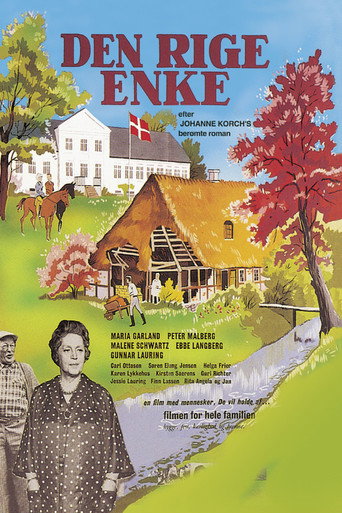
Den rige enke
Ellekjær's future is on Ann-Marie's mind. She tries to get her adopted daughter, Grete, married to Erik von der Rude, but Grete loves the farmhand Jørgen. They decide to get married, after which Annemarie disowns Grete. However, Ann-Marie's other daughter, Elin, is in love with Erik. Erik's past in Copenhagen catches up with him, and Elin moves in with her sister. The film then goes through a series of complications before Elin and Erik can finally get married and Ann-Marie is reunited with her daughters.
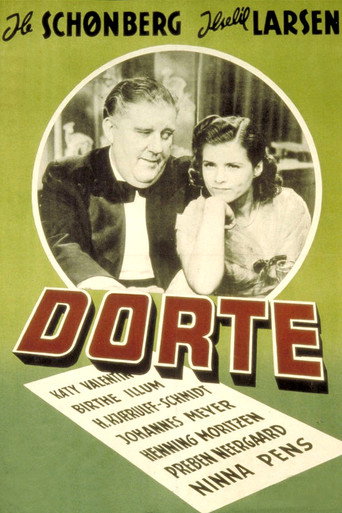
Dorte
A train pulls into Copenhagen Central Station, and 16-year-old Dorte gets off. She needs to find some people on a road somewhere near Svanemøllen. Here, in a beautiful villa, lives Asger Haensen, a director who runs a large company in Copenhagen. He lives with his two children, Margot and Steen. Asger Haensen lives a superficial and overly expensive life—among other things, he has an expensive girlfriend. In the evening, the doorbell rings at the director's house. Outside stands Dorte with a letter that must be delivered to him personally. The letter reveals that Dorte is the result of a small youthful mistake on the part of the director. So Dorte stays in the house. Dorte does not quite fit into the elegant home. But she is feisty—and brings life to the house!

Mor skal giftes
How long should one continue to support one's adult, married, but well-spoiled children financially? One day, Mrs. Holm, a widow, grows tired of this and decides to cut off the flow of money. With the assistance of her good friend and admirer, she devises a plan that causes quite a stir. She is not alone in being unconventional in her approach to raising adults. In this regard, a festive old consul's wife and her quirky servant are also progressive. At first, they are somewhat distraught about how they will manage, but the whole affair works out for all the adult children and saves their marriages.
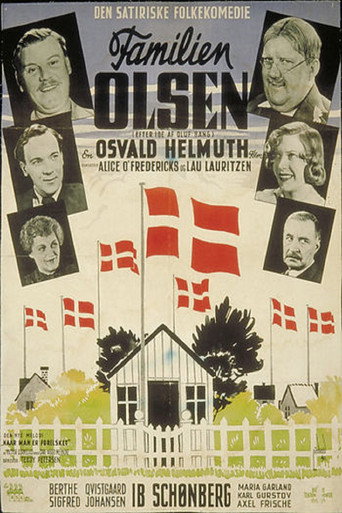
Familien Olsen
In a large fish export company, the general manager's talented son Hugo holds a trusted position. When one day 500 kroner is missing from the cash register, speculation begins about who the culprit might be. Greengrocer Olsen is a happy man, completely satisfied with the lot he has been allotted in life. When he is drawn as a juror in the case against the general manager of the fish export company, he is beside himself: he has no idea. But who is the culprit anyway?
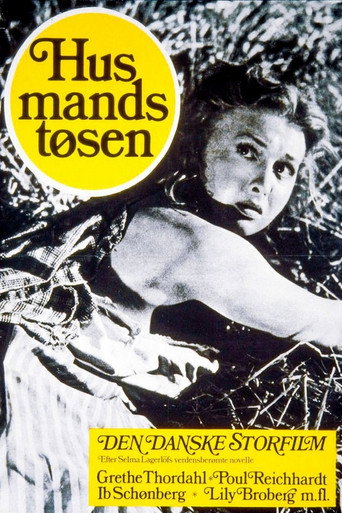
Husmandstøsen
Helga is on a farm, where she is seduced by her husband, Per Mortensen. As it turns out she is with child, she gets a tough time among local residents. They consider it the greatest shame that can befall a young, unmarried girl. Per refuses bargain to be the father of the child. Her parents can not afford to keep the baby, so she tries to go to court - without result. Fortunately, she gets a new duty station at Torpegaarden where she thrives. In particular, she has a good eye to his son on the farm, Gudmund. He also liked the young girl
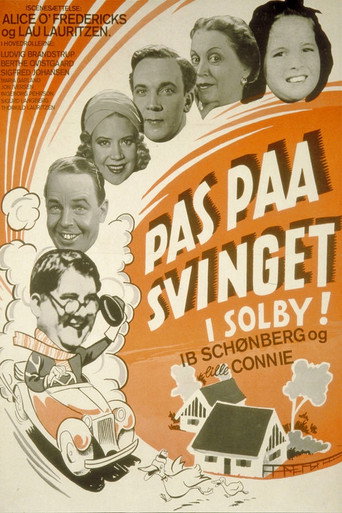
Pas paa svinget i Solby
The priest in Solby borrows 2,000 kroons from the parish council treasury to pay for one of his parishioners' hospital stays in Germany. Marianne, the rich man's daughter, is to be a bridesmaid in Aalborg and is leaving Copenhagen for Jutland. In Solby, she drives too fast through the town, which is why she has a car accident and ends up in the priest's garden! She immediately starts to lead everyone around the rectory, which Aunt Marie is definitely not happy about. The priest, on the other hand, is attracted to the girl. They swim in the lake and go to a ball together, which leads to Mrs. Larsen coming in to talk to the bishop. After Marianne has returned to Copenhagen, the bishop announces his arrival at the rectory. Where will the priest now find the 2,000 kroons? The priest has a number of friends who are trying to help him, but he also receives unexpected help from the bishop.
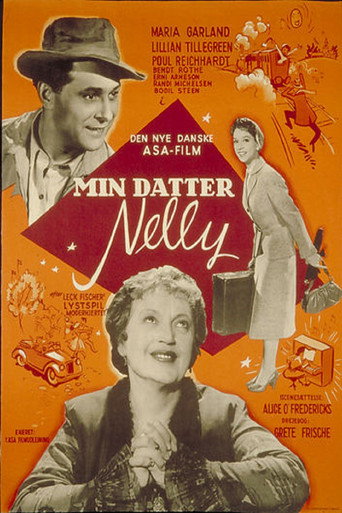
My Daughter Nelly
In Fjordby, preparations are underway for a big celebration—the town's 500th anniversary, with music and dancing. The festive Mrs. Ingeborg, who earns her living playing the organ in church and at dances when the young people want to party, is constantly short of money. That is why she has a little side business: she teaches piano. Mrs. Ingeborg has a close family relationship with her lodger, the young veterinarian Kåre. He has repeatedly helped her financially. Mrs. Ingeborg needs money for a new dress for her foster daughter Nelly to wear to the party. Aunt Jessie lives on the first floor. She was once in a relationship with Mrs. Ingeborg's brother, but he broke up with her and married someone else. However, Mrs. Ingeborg still considers her a sister-in-law. She is well off financially, so she has to help out when Mrs. Ingeborg needs money for the dress.

Far skal giftes
The world-distant and absent-minded professor Jacob Jensen lives exclusively for his science and his stamps. He has no idea what is going on around him, in his own home. In the 11 years since his wife died, his capable, wise and lovable housekeeper Karen Frederiksen has, with a loving hand, managed the home for him and his 3 children. The aspiring amateur boxer Oscar and the 2 daughters Else-Margrethe and Birthe. She has shared in the children's sorrows and joys and has often lent them money when they have had dry pocket pains. She has praised and scolded them at the right times - in short, she has been in their mother's place. Both the professor and the children take her for granted. They take her services, big and small, for granted, and do not quite understand what she really means to them.
Gallery