Acting
No biography available.
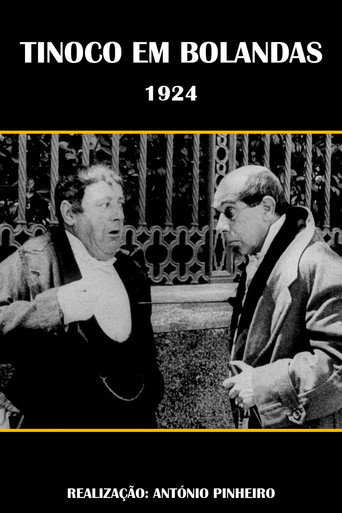
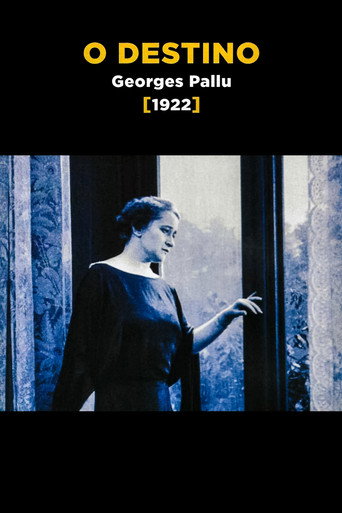
The domestic misfortunes of Duarte Tinoco, a married man with a free heart. At a time when the leading filmmakers in Portugal were foreigners working under contract with Invicta Film, the possibility of Portuguese artists with special skills moving into directing was a key project for that production company. This is how António Pinheiro, an acclaimed actor, came to direct Tinoco in Bolandas. The experience proved positive and was continued in another film. To make this film, António Pinheiro enlisted the help of his mentor, Georges Pallu, who had directed him in several films. In addition to appearing in the cast, Pallu was also responsible for adapting the play on which the script is based.
Armando, the only grandson of an old worker of Salinas de Aveiro, studies music in France and any news from him is scarce. The grandfather Abilio then decides to send him a letter announcing his death and Armando rushes to return.
Traveling by car to Sintra, a mysterious lady, arriving in Lisbon by ship, is the victim of an accident.
Shown in Cannes 1946, most of the film was lost and only 32 minutes of images with no sound survive today. An elementary school teacher, Lídia, is placed in an isolated village in the mountains and on the first day of school the doctor informs her that she will have to go away with the priest for three days. These will be the three godless days of the title, in which the young teacher will meet the lord of the hill, Paulo Belforte, who is feared by the whole village for allegedly setting fire to the church and for having tried to murder his own wife. Due to a series of misunderstandings, the villagers turn against Lídia and Belforte, to the point where at the end there is a torchlight procession to purify the diabolical events of Casal de Lobos. But all ends well, and peace is restored through (semi-)divine influence...
The tumultuous lives of a woman and her three daughters who used to live in Paris, and are now living in Bairro Alto.