Maria Avdjuško Movies, TV Shows, and Filmography

Maria Avdjuško
Acting
Biography
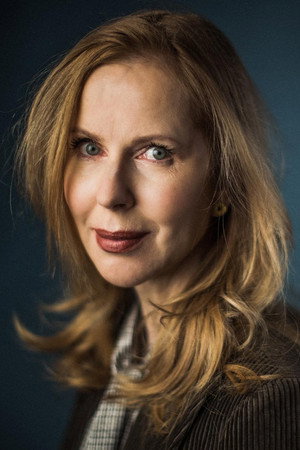
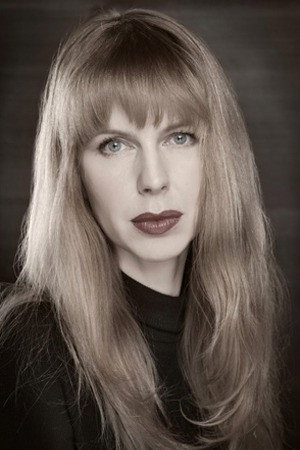
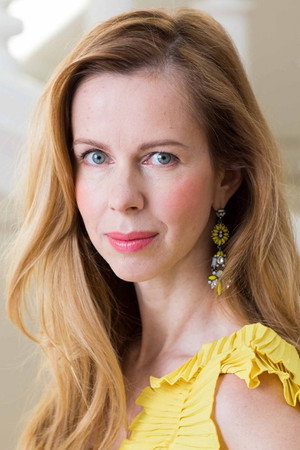
Maria Avdjuško (also Maria Avdjushko; born May 9, 1968) is an Estonian actress, film producer, director and screenwriter. Avdjuško is the daughter of Russian actor Viktor Avdjuško and Estonian actress Liina Orlova, who is of Russian and Estonian descent. She was born and raised in Tallinn. In 1990 she graduated from Tallinn State Conservatory's performing arts department. From 1992 until 2014, she was an actress in Estonian Drama Theatre.
Filmography Movies
Acting
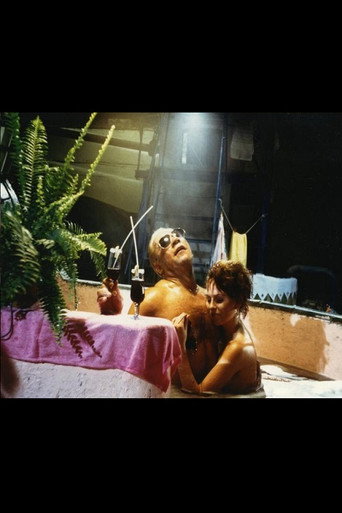
American Mountains
A former goldminer who has run afoul of the law is made an unusual offer by the mafia. The power of money and popularity among women won't let him step down from the rollercoaster in order to make the right decisions.
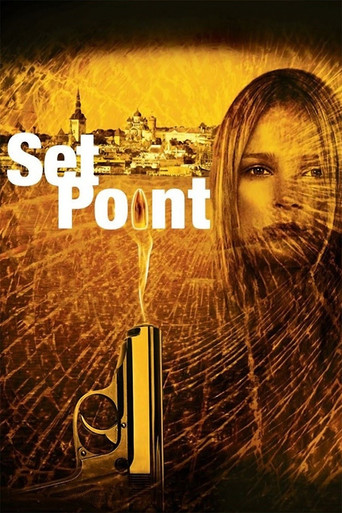
Set Point
On one summer evening, four strangers are brought together by a mysterious murder. A case which at first seems like a regular crime investigation turns out to be something more - a tale of love, alienation and new hope.
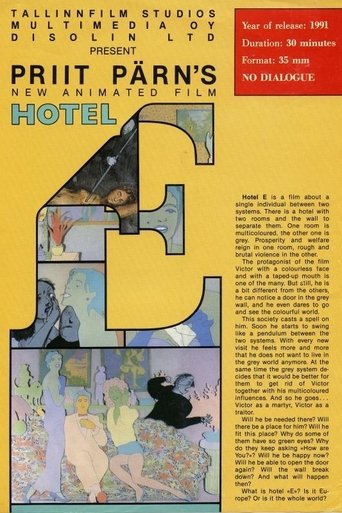
Hotel E
A confrontation of two worlds-- Two rooms, one of which is full of light and colors, the other a monotonous gray.
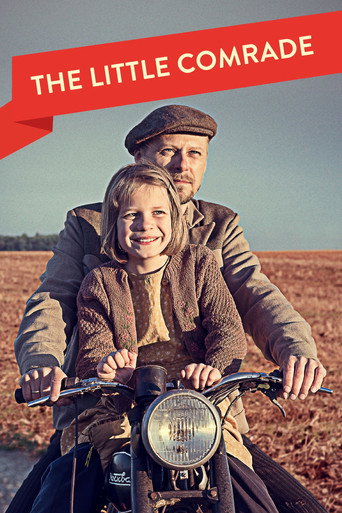
The Little Comrade
In the midst of Stalinist tyranny, six-year-old Leelo's mother is sent to a prison camp. Haunted by her mother's last words telling her to be a good kid, Leelo vows to be on her best behaviour in the confusing grown-up world in the hope that it will bring her mother back.
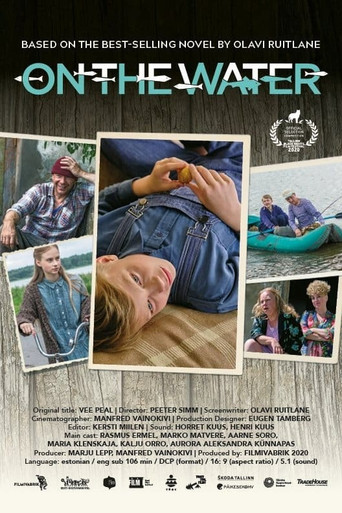
On the Water
Andres is a sensitive teenager raised by his strict grandparents in a small bland Soviet Estonian town. He is being bullied at school and his only friends are the drunkards, whores, and thieves living next door.
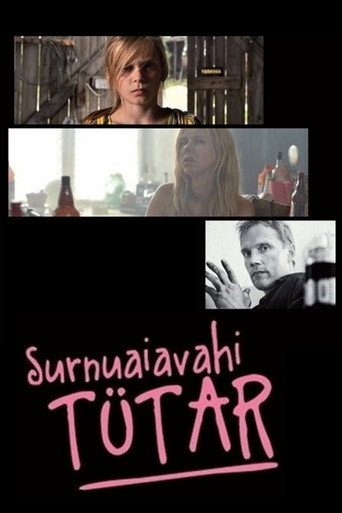
The Graveyard Keeper's Daughter
A snapshot of one segment of Estonian present-day life, shown through the eyes of a child: 8 years old Lucia is leading a jolly and naughty Pippi-Longstocking-style life in a small town in Estonia. Her father Kaido, a graveyard keeper, can hardly provide for the family, her mother Maria is a drunk. Then the family receives an unexpected invitation to spend a week in Finland, in the house of the female pastor Sipra. This week will change everybody's life in unexpected ways...
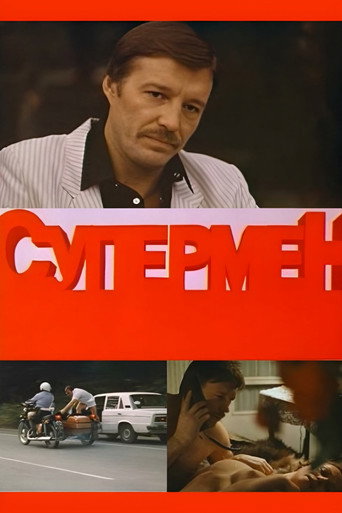
SuperCop
An adventurous action-packed story about a police officer nicknamed "Sheriff", who, bravely fighting mafia functionaries, easily and simply takes bribes from its bosses.
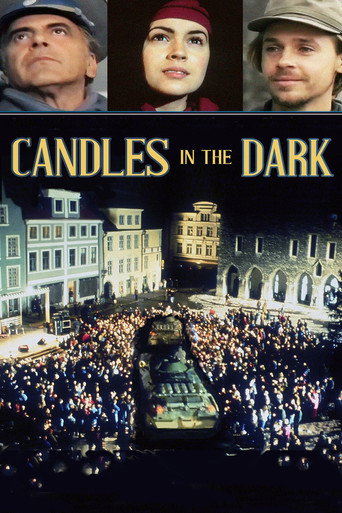
Candles in the Dark
Candles in the Dark is the story of a girl who comes to visit her father's homeland, the Soviet Republic of Estonia. After she arrives, she finds that her father is part of the dissident anti-soviet underground. She soon find her self engulfed in the struggle with her father and a lot of new friends, and finds herself being hunted by the KGB.
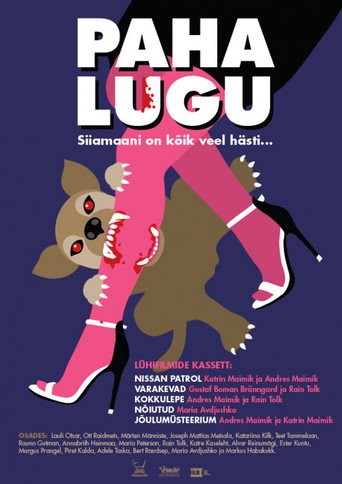
A Bad Scene: Christmas Mystery
"A Bad Scene" is a film compilation, which speaks about the darker currents hiding in human relationships, situations, which are practically inescapable, in five different ways. Harassment, mental violence, manipulation, cornering – these topics are current in both politics as well as private sphere. In these nightmarish confrontations, dramatics, mysticism as well as twisted comedy can be found. The short film “Christmas Mystery” by Andres Maimik and Katrin Maimik talks about student Jass, who makes extra money by playing Santa Claus. Behind one door, however, a lonely woman awaits him, who pulls him into weird role plays the polite youngster cannot say “no” to.
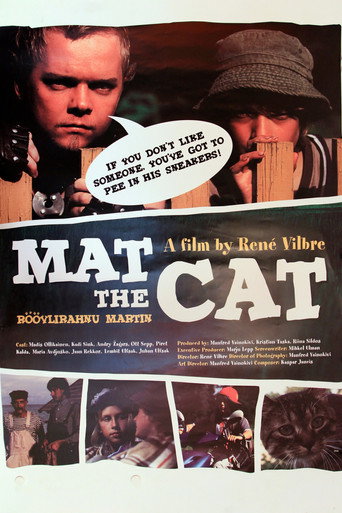
Mat the Cat
Martin a boy with adjustment difficulties, moves with his mother to a new place. Martin has a habit of always getting into all kinds of trouble, and on the last day of school, everything goes wrong. Martin likes the school principal's daughter Marta, but the girl is also liked by the most popular boy in the school, Kevin, who has a fancy scooter. In his last trouble, Nitram, a charming wizard cat, comes to Martin's aid, who brings new adventures.
Production
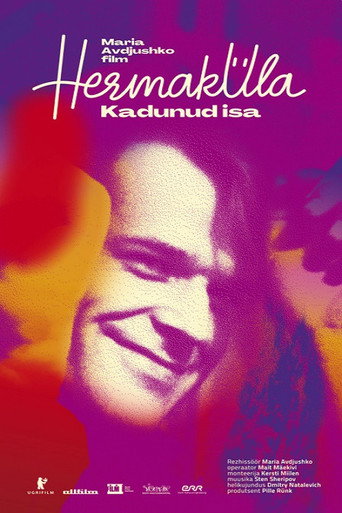
Hermaküla: Lost Father
The 1960s and 70s brought a new wave of talented young poets and writers, painters and theater innovators to the gray and established culture of Soviet Estonia. Evald Hermaküla began his theatrical career as a young, angry genius working at the Vanemuine Theater, where he staged several legendary productions. The direction of Hermaküla was clear - away from the text and the rationality towards the subconscious. The film mixes theatrical and personal memories of the author with documentary archival material and Hermaküla's contemporary thoughts on theater, life and death.
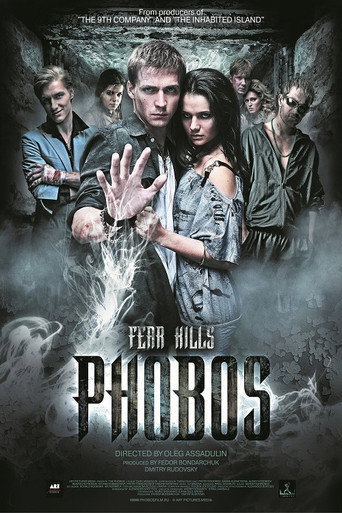
Phobos. Fear Kills
Rainy summer evening... Young people are arriving at the new trendy club named Phobos which is still under construction. Or re-construction - since it's a former bomb shelter which is reconstructed to become a club. At first, the party sees nothing wrong, but soon the bunker doors turn out to be locked, and the teenagers get trapped underground without light and communication. At first, all of them are joking and do not realize how dangerous their situation is. Then they get frightened. All of them will need to cope with their fears before the bunker will let them free.
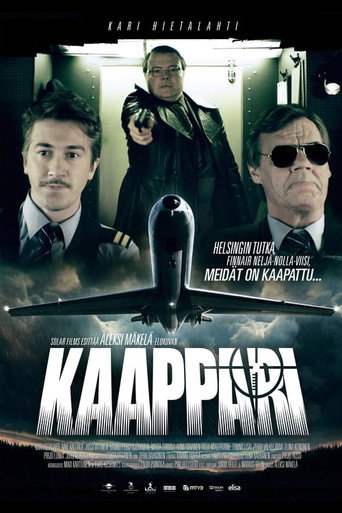
The Hijack That Went South
Aarno Lamminparras hijacked an airplane with a gun in 1978. A true story.
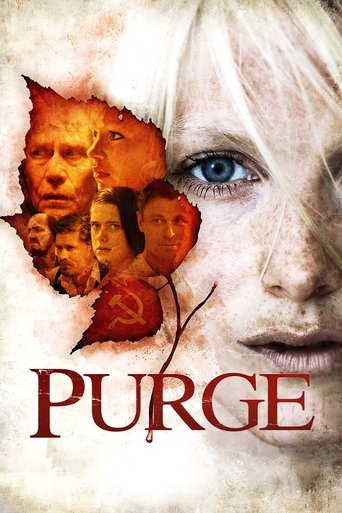
Purge
Aliide experienced The Great Terror under Stalin’s regime, and decades after her hometown people were deported to Siberia, she lives alone in an isolated house. One night, she finds a young woman in her yard – Zara has just escaped from the claws of the Russian mafia that held her as a sex slave. Survivors both, Aliide and Zara engage in unearthing each other’s motives and gradually their stories merge into one, revealing the tragedy of a family during the cruelest years in Estonian history.
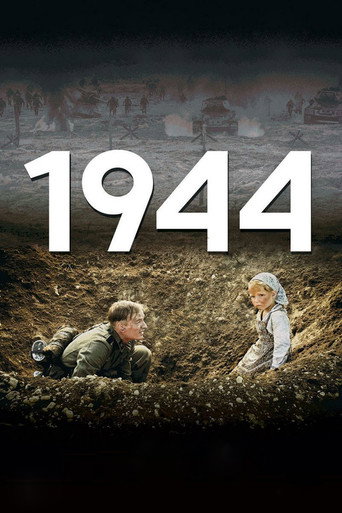
1944
The events of the war in 1944, from the Blue Hills to Sõrve Peninsula. Shown through the eyes of Estonian soldiers who had to pick sides and fight against fellow brothers. Choices have to be made, not only by the soldiers, but also by their loved ones.
Purge
Aliide experienced The Great Terror under Stalin’s regime, and decades after her hometown people were deported to Siberia, she lives alone in an isolated house. One night, she finds a young woman in her yard – Zara has just escaped from the claws of the Russian mafia that held her as a sex slave. Survivors both, Aliide and Zara engage in unearthing each other’s motives and gradually their stories merge into one, revealing the tragedy of a family during the cruelest years in Estonian history.
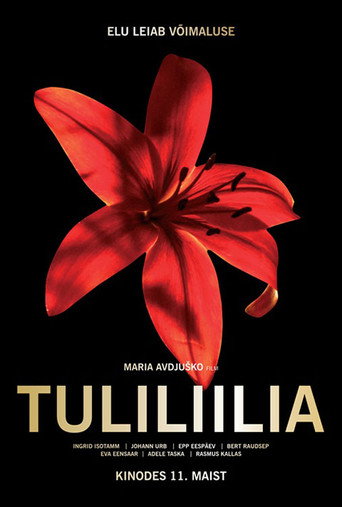
Fire Lily
The mystical and thrilling drama asks what sort of reality can give our life meaning. The film tells the story of Pia (38), an ophthalmologist, whose marriage has recently ended because she was not able to have children. As she strives to move forward with her life, Pia learns the unknown but also finds her inner strength. Unexpectedly, her deepest wish to become a mother materializes, but not quite in the way she imagined it.
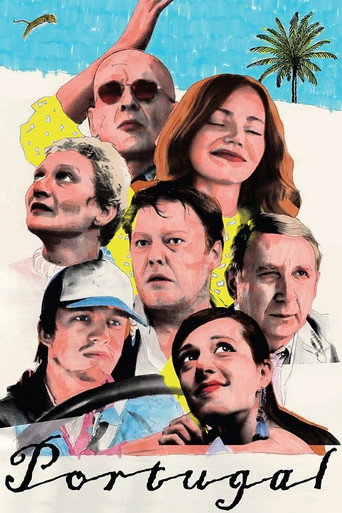
Portugal
Karina and Martin are in a pleasent relation where everyday life flows in an effortlessly accustomed way and no small misbehaviours can shake it’s rush. Life is good. Perhaps it’s this perfection and frequent patterns that make them finally pose a question – is everything to be expected in life? This is a story about following the yearning of your soul. Longing for something other than the present and having the courage to be deliberately lost.
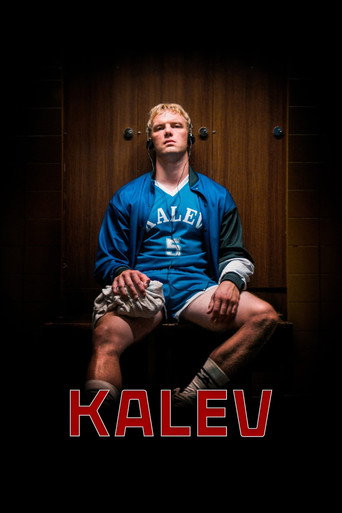
Kalev
The Soviet Union teeters on the verge of collapse in 1990 and tiny Baltic nations struggle to take back their independence. A rising tide of public opinion opposes the Estonian national team's participation in the USSR's basketball championship. The team makes the unpopular choice to participate.
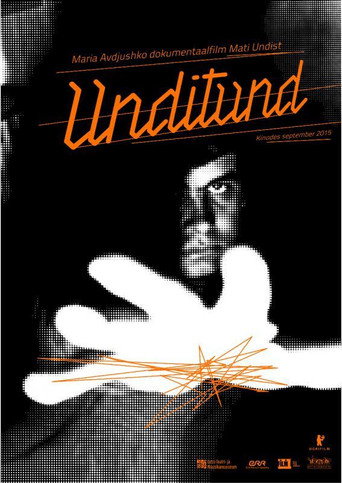
Unt's hour
One of the most extraordinary personas in Estonian cultural history is undoubtedly the writer, director, publicist, lecturer and a public figure Mati Unt. The Documentary Unt’s Hour takes us back to the bright generation of the ‘60s with their innovative and creative ideas in the literary world and the theatre. The film depicts Mati Unt as a charismatic persona, a phenomenal thinker and an anarchist who used cinematic tools to reinvent old forms. The film includes never before seen footage of Mati during his creative process and among his friends. The story centers on different groups of friends that formed over the years which provide the basis for the selection of characters. The Salon of Mati’s best friend Vaino Vahing in Tartu which brought together writers, scientists, and theatre pioneers; and the literary salon at Vilde tee in Tallinn in the home of Mati Unt and Kersti Kreismann at the beginning of Mati’s career as a director in the Youth Theatre in Tallinn.
Gallery