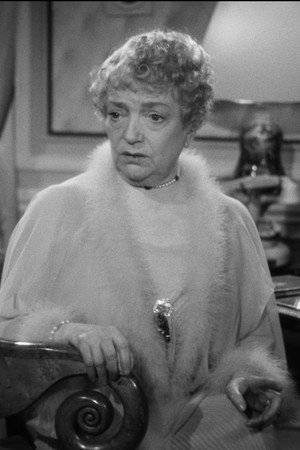
Acting
No biography available.
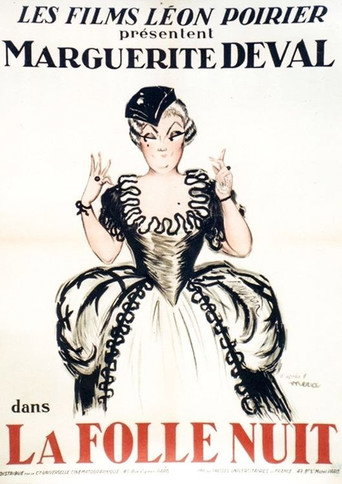
Antoine, is the brother of Clothilde, lady-in-waiting to gorgeous duchess Silvéri. Parzy falls in love with the duchess, but can't get anywhere near her thanks to the vigilance of the girl's duenna. In desperation, Parzy disguises himself in his sister's clothes and poses as a girl. This gains him entrance to the duchess' boudoir -- but now what does he do?
On the occasion of an auction organized for a charity party, a penniless man buys a kiss for a hundred thousand francs.
Around a baby whose paternity is disputed, the members of a bourgeois family are agitated: the irascible father, the whining mother, the modern young girl, the good-for-nothing son, a secretary in love with the young girl, an associate and the importunate old aunt who smooths things over.
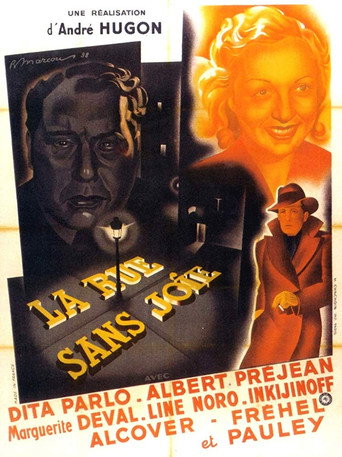
Jeanne supports supports his family on his modest salary. Her boss is arrested for fraud. Jeanne is forced, out of poverty, in the street.
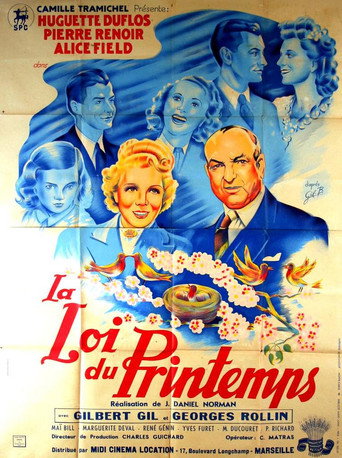
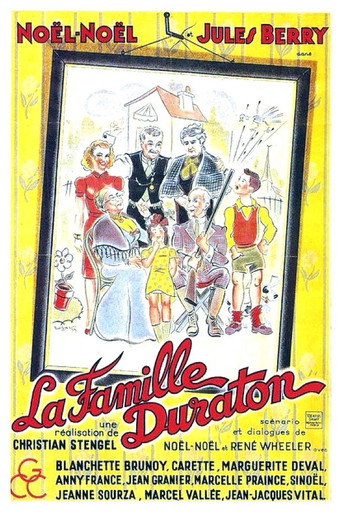
The children born from a first marriage of a widower and a widower who have remarried do not get along. Frequent quarrels break out in the household which finally finds calm thanks to the presence of a new little girl.
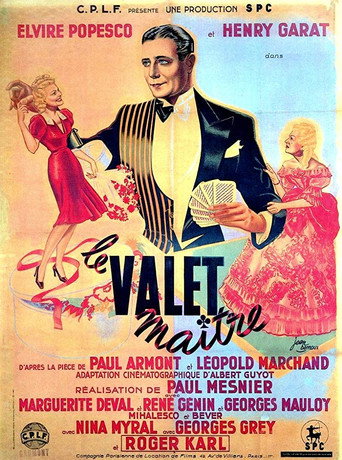
Some, like Ravier de l'Orne are born... masters, but ,like him, do not live up to their rank. Others, like Gustave Morillon, are... born masters, even if, like him, they are valets. Morillon will indeed prove better at bridge than his master and will eventually win the affection of Antonia, a lively foreigner Ravier also coveted.
Unbeknownst to the members of a French family, a radio announcer makes them the subject of a broadcast.
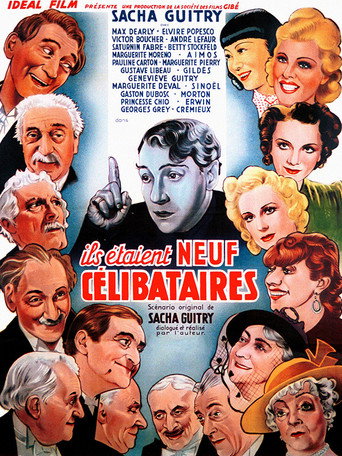
Nine Bachelors is a 1939 French comedy film directed by Sacha Guitry and starring Guitry, Max Dearly and Elvire Popesco.[1] An opportunist dreams up a new scheme to make money when the French government passes a law forbidding foreigners from living in France. It's French title is Ils étaient neuf célibataires.
A law student passed his exam in his first B.A. year in Paris ;he is in love with a girl who is not from the bourgeoisie and the boy is afraid his father might not approve of their union.
The director of a private institution is the father of seven charming young girls. He has money worries. A rich bachelor, still young, a few years ago advanced him a large sum of money. He makes frequent visits to his debtor; the poor father, as mediocre a psychologist as he is a poor businessman, hammers himself in his head, not guessing that the visitor is reluctant to make his choice between the seven sisters.