Margot Busse Movies, TV Shows, and Filmography
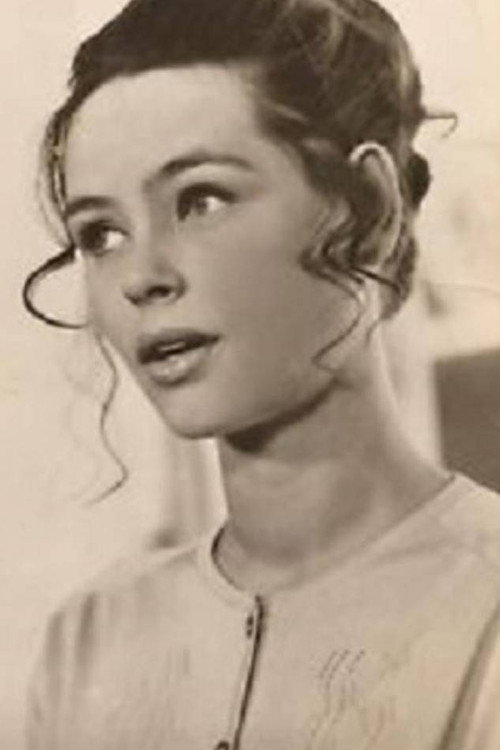
Margot Busse
Acting
Biography
No biography available.
Filmography Movies
Acting
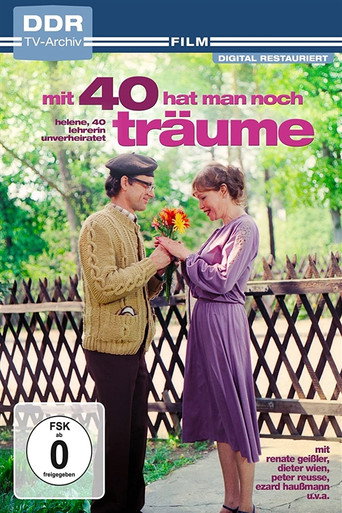
Mit vierzig hat man noch Träume
Helene Sonntag, 40, unmarried and a teacher. She has long dreamed of happy partnership, but things turn out as they should. In order to avoid the work overload caused by substitute teaching and vacation childcare, she is forced to make a move.
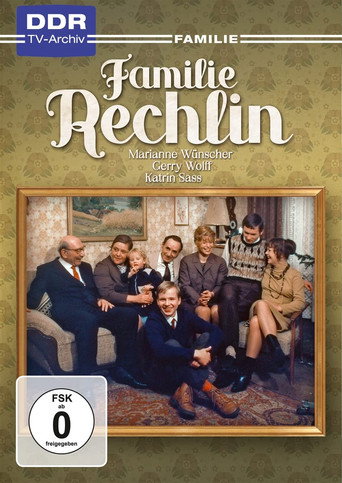
Familie Rechlin
Berlin in the 60s. The construction of the Berlin Wall not only divides the city, but also separates the Rechlin family. While mother Ingelore lives with husband Hannes and the youngest son in the eastern part of the city, the young, married daughter Beate lives in West Berlin. Even when she gives birth to the first grandson, the newly baked grandma Ingelore cannot visit her. Travel permits are only issued one year later. But the formerly so tight family bond is burdened by the long separation. Son Bernd also avoids the rest of the family, as his new girlfriend has just been released from prison because of attempted "republic escape". And so Mother Ingelore almost has to watch her family shatter.
Gänsehaut
The story of a 14-year-old boy's problems. Unable to overcome his parents' divorce, Steffen mutates into a "failure" and has to repeat year 7 at school. His mother and teachers are helpless and disappointed in the boy. He remains withdrawn from them and builds his own world by escaping to an old tower where he secretly writes poetry. Franziska, one of Steffen's classmates, is very fond of him and stands up for him; she fights for Steffen's fair treatment. Then the friendship between the two young people is put to the test by the boy's mistrust.
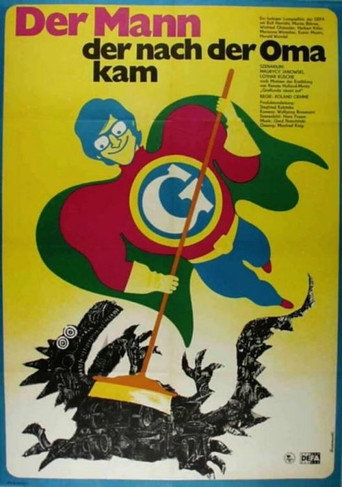
Der Mann, der nach der Oma kam
Günter and Gudrun Piesold are very busy with their careers as a TV comedian and an actress, so Grandma takes care of household chores and childcare. But when Grandma remarries, the Piesolds are faced with chaos at home and a burning question: Who will take care of the household?
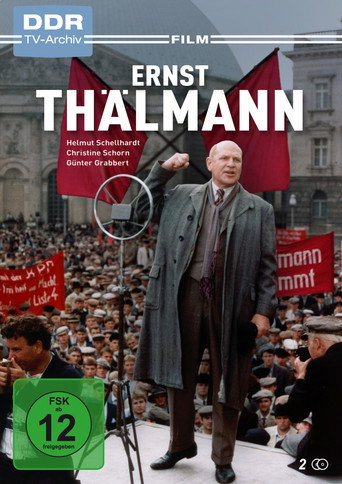
Ernst Thälmann
This elaborate two-part television film features a section from the life of communist worker leader Ernst Thälmann. It begins with the bloody riots on May 1, 1929 in Berlin, in which police officers shot at demonstrating workers, and ends with February 7, 1933, when Thälmann appeared as a speaker at the illegal meeting of the Central Committee of the Communist Party of Germany in goat neck. This period was marked by the struggle of the Communists against the ever stronger National Socialists and the rise of Adolf Hitler.
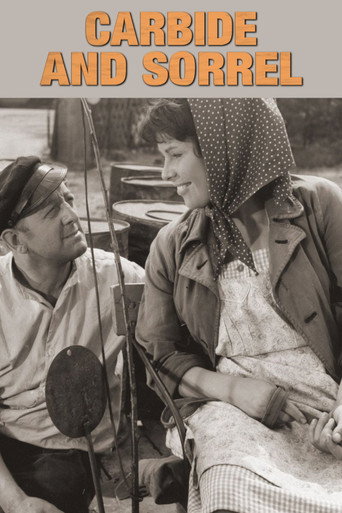
Carbide and Sorrel
After the second World War, Dresden has a lot of reconstructing to do. To get the cigarette factory he once worked for running again, Kalle has to travel to Wittenberg - the only place where carbide can be found. Once there, Kalle find himself in the unfortunate situation of having to hitchhike his way back to Dresden, transporting seven heavy barrels of carbide. However, his inventiveness and optimistic attitude help transform the grueling task into an adventurous, entertaining, and funny journey.
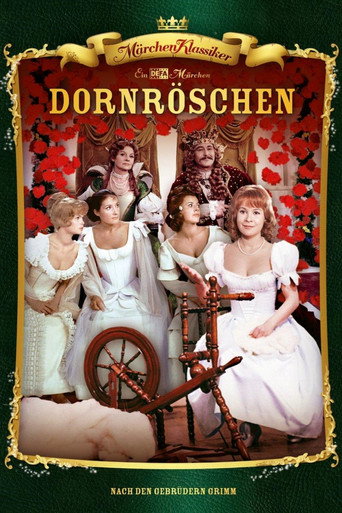
Sleeping Beauty
On the occasion of their daughter's birth, the king and queen give a lavish feast. Among the guests are twelve fairies who endow the infant in the cradle with all good qualities. As the king loathes diligence, he does not invite the thirteenth fairy - the fairy of diligence. A captain lets her slip into the castle and she casts a spell on Sleeping Beauty, wishing death upon her. The twelfth fairy transforms and mitigates the spell. On the day she turns fifteen, the princess is to sink into a hundred-year sleep after pricking her finger on a spindle.
Ja, so ein Mann bin ich!
It all begins with a crazy idea. Peter Schönfeld, a good husband whose excess of virtue already seems suspicious, is to be subjected to a fidelity test. Rosemarie, Peter's wife Regina's best friend, wants to dissuade the straw widower from the path of virtue with all kinds of tricks and erotic finesse. This leads to all kinds of confusion and mix-ups, to which Uncle Ewald, whose motto is "If you have worries, you need a liqueur", and his daughter Gisela, the "model", as well as Peter's neighbor, the amateur nude photographer Konrad Förster, intentionally and unintentionally contribute. So it will be interesting to see whether the "hero" of the play, Peter Schönfeld, can still say at the end: "Yes, that's the kind of man I am!".
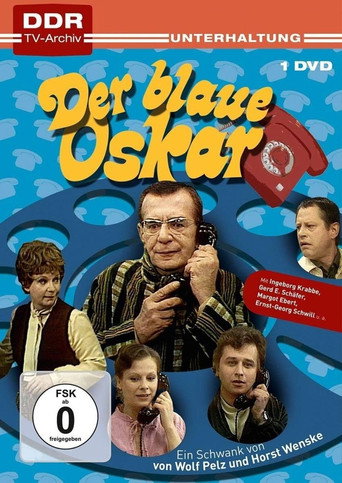
Der blaue Oskar
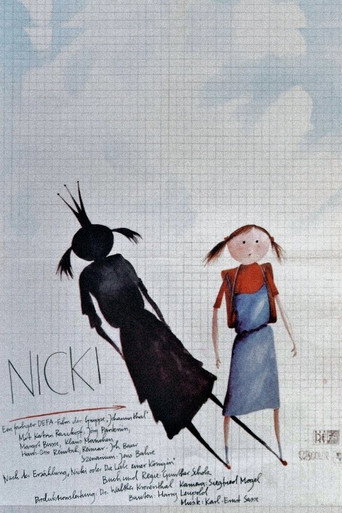
Nicki
After the accidental death of her mother, 12 year old Nicki must care for the family particularly her two young siblings.
Gallery