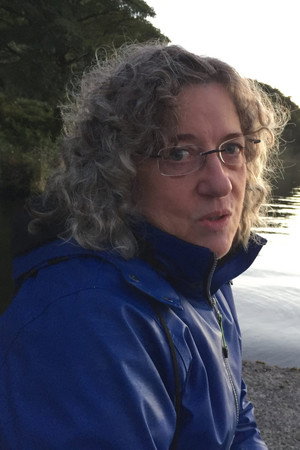
Margo Harkin Movies, TV Shows, and Filmography
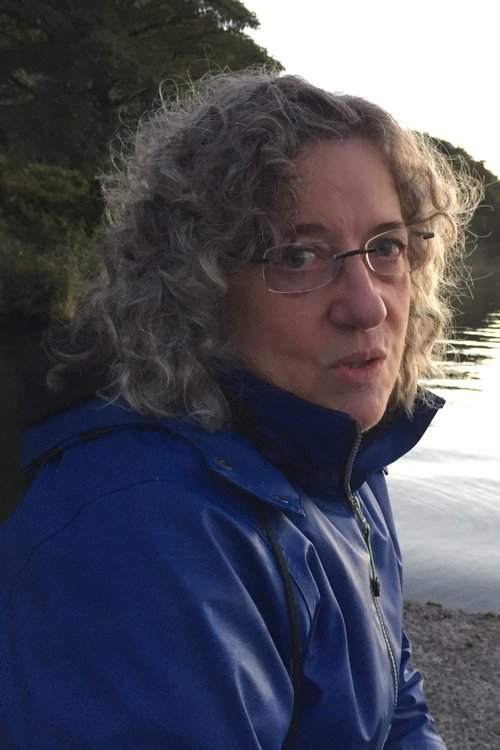
Margo Harkin
Directing
Biography
'Margo Harkin is one of Ireland’s most versatile and respected filmmakers – having directed and produced fiction and documentary films for over forty years. Her work includes an invaluable chronicle of Northern Ireland’s recent political history. After graduating in Fine Art from the Ulster College of Art and Design in 1974, Harkin worked as an art teacher and community worker in socially deprived areas of Derry. She joined Field Day Theatre Company in 1980 as an Assistant Stage Manager on Brian Friel’s Translations, before going on to work as a stage designer for the company. In 1984, Harkin co-founded Derry Film & Video Workshop with Anne Crilly and Trisha Ziff delivering critical perspectives that ran counter to the censored narratives then broadcast by British and Irish television. The signal works of this period were Mother Ireland (1988), Anne Crilly’s controversial documentary about feminism and Irish republicanism, and Harkin’s own Hush-A-Bye Baby (1990), a feature drama about teenage pregnancy following the 1983 abortion referendum in Ireland. Harkin established Besom Productions in 1992 making educational films for Channel 4 but her reputation as an astute, local documentarian of injustices was soon forged through a series of highly regarded television documentaries. Her cinema films, the surf documentary Waveriders (2003), by Joel Conroy (which she produced), and Stolen (2023), about the plight of unmarried mothers in Ireland in the 20th century, provided thoroughly researched, compelling accounts of their subjects. Margo Harkin is a member of Aosdána. Her work has won countless awards and is widely taught to third-level film and media students. Spanning over four decades, Harkin’s work has consistently challenged societal narratives, giving voice to the silenced and bearing witness to the social and political upheavals that have shaped the contemporary Irish landscape. The retrospective will span across the IFI’s cinema screens, as well as online via IFI@Home, IFI International and the IFI Archive Player.' From https://ifi.ie/margo-harkin/
Filmography Movies
Acting
Nothing Compares
Since the beginning of her career, Sinéad O’Connor has used her powerful voice to challenge the narratives she was surrounded by while growing up in predominantly Roman Catholic Ireland. Despite her agency, depth and perspective, O’Connor’s unflinching refusal to conform means that she has often been patronized and unfairly dismissed as an attention-seeking pop star.
Muide Éire
Muide Eire / We are Ireland documents the history of Ireland on screen. From the horse drawn carriages of Dublin's yesteryear, to the latest summer blockbuster, this film takes an intimate look at film making in Ireland - as a visual expression of Irish culture, celebrating contemporary filmmakers in both the Irish and English languages. From the glamour of the red carpet to behind the scenes 5am starts, We are Ireland invites the viewer into this world where art and industry exist in delicate balance. The heart of this documentary is our investigation into representations of Ireland and the Irish - how the Irish have been viewed abroad, and how we represent ourselves on screen.
Production
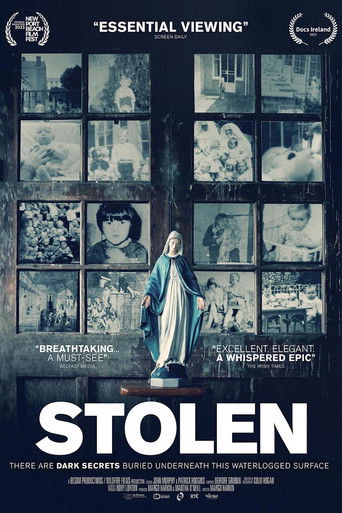
Stolen
Government inquiry revealed a pattern of neglect, high child mortality rates and lack of burial records among mother and baby homes once run by Ireland's religious orders. Mothers recount the shame and secrecy attached to pregnancy outside marriage and their long struggle to be reunited with the children that many claim were illegally adopted, while adoptees reveal how they were thwarted from accessing birth records.
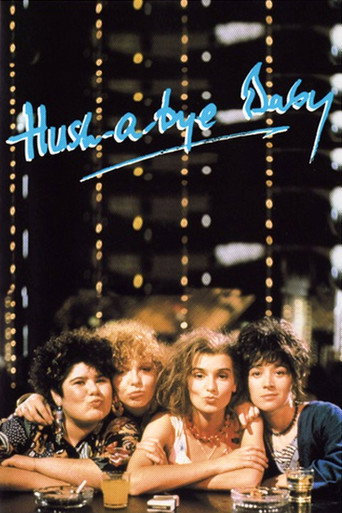
Hush-a-Bye Baby
1980s Derry: Goretti Friel, one of a spirited group of teenage friends, meets Ciarán at her Irish language class, and romance blossoms. When he is arrested and imprisoned by the British army, Goretti is dismayed to find herself pregnant. Left to deal with the crisis alone, she is tormented by the conflicts of her growing belly and the influence of a Catholic upbringing.
Hush-a-Bye Baby
1980s Derry: Goretti Friel, one of a spirited group of teenage friends, meets Ciarán at her Irish language class, and romance blossoms. When he is arrested and imprisoned by the British army, Goretti is dismayed to find herself pregnant. Left to deal with the crisis alone, she is tormented by the conflicts of her growing belly and the influence of a Catholic upbringing.
Stolen
Government inquiry revealed a pattern of neglect, high child mortality rates and lack of burial records among mother and baby homes once run by Ireland's religious orders. Mothers recount the shame and secrecy attached to pregnancy outside marriage and their long struggle to be reunited with the children that many claim were illegally adopted, while adoptees reveal how they were thwarted from accessing birth records.
Mother Ireland
This film explores the development and use of images and music which personify Ireland as a woman in Irish culture and nationalism. The film highlights how these cultural and stereotypical images of Ireland as a woman influence the idealised model of woman demanded by Irish society. It uses historical film, photographs, political drawings, cartoons and music to explore the largely unrecorded role of women in Irish history and presents realistic images of Irish women at work today.
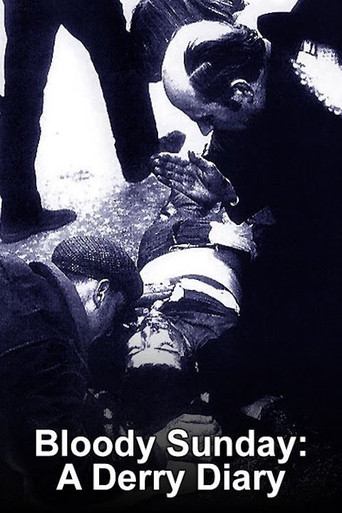
Bloody Sunday: A Derry Diary
On January 30th, 1972, the British Army shot dead thirteen unarmed civilians taking part in a civil rights march in Derry. At the subsequent Tribunal of Inquiry Lord Chief Justice Widgery exonerated the soldiers and blighted the reputations of those who were killed and wounded by describing them as gunmen and bombers. In 1998, in a move that was widely seen as significant in sealing the Northern Ireland peace process, Prime Minister Tony Blair announced a new Tribunal of Inquiry to be led by Lord Saville of Newdigate. This highly personal documentary, made by Margo Harkin who was witness to the events, follows the 6-year long search for the truth at the second Inquiry until its momentous conclusion on June 15th 2010 when the report was finally published.'
Bloody Sunday: A Derry Diary
On January 30th, 1972, the British Army shot dead thirteen unarmed civilians taking part in a civil rights march in Derry. At the subsequent Tribunal of Inquiry Lord Chief Justice Widgery exonerated the soldiers and blighted the reputations of those who were killed and wounded by describing them as gunmen and bombers. In 1998, in a move that was widely seen as significant in sealing the Northern Ireland peace process, Prime Minister Tony Blair announced a new Tribunal of Inquiry to be led by Lord Saville of Newdigate. This highly personal documentary, made by Margo Harkin who was witness to the events, follows the 6-year long search for the truth at the second Inquiry until its momentous conclusion on June 15th 2010 when the report was finally published.'
Sisters of the Lodge
Film-maker Alison Millar spent a year behind the scenes with the ladies of the Loyal Orange Lodges of Ireland. Given unprecedented access, her film reveals for the first time the private rituals and ceremonies of this secretive organisation.
Stolen
Government inquiry revealed a pattern of neglect, high child mortality rates and lack of burial records among mother and baby homes once run by Ireland's religious orders. Mothers recount the shame and secrecy attached to pregnancy outside marriage and their long struggle to be reunited with the children that many claim were illegally adopted, while adoptees reveal how they were thwarted from accessing birth records.
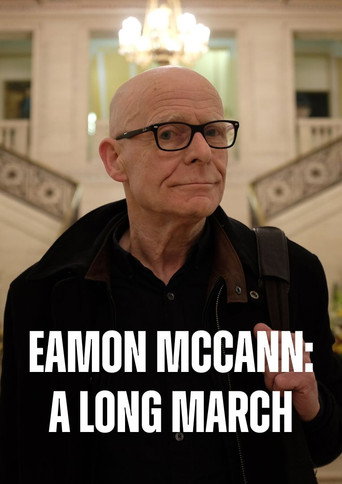
Eamonn McCann: A Long March
In 1968, the youthful Eamonn McCann earned a reputation as a fiery orator at the forefront of the Civil Rights movement in Northern Ireland. After standing unsuccessfully for election over 5 decades, he was finally catapulted to power at the age of 73 as a People Before Profit candidate in the Assembly election on 7 May 2016. By March 2017, he was an ordinary citizen once again, victim of a snap election in a crisis between the Orange and Green two-party bloc. This documentary looks back over the remarkable career of one of Northern Ireland’s best loved provocateurs, exploring the social and political landscape of his upbringing in Derry’s Bogside, and revealing the inside story of his brief moment in governmental power, rising from street activist to parliamentarian and back to street activist again.
Gallery