Margit Bara Movies, TV Shows, and Filmography

Margit Bara
Acting
Biography
No biography available.
Filmography Movies
Acting
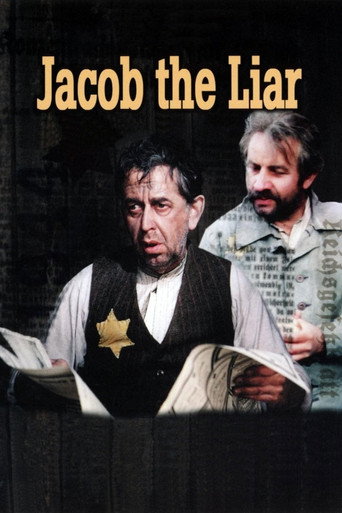
Jacob the Liar
A Jewish ghetto in the east of Europe, 1944. By coincidence, Jakob Heym eavesdrops on a German radio broadcast announcing the Soviet Army is making slow by steady progress towards central Europe. In order to keep his companion in misfortune, Mischa, from risking his life for a few potatoes, he tells him what he heard and announces that he is in possession of a radio - in the ghetto a crime punishable by death. It doesn't take long for word of Jakob's secret to spread - suddenly, there is new hope and something to live for - and so Jakob finds himself in the uncomforting position of having to come up with more and more stories.

Evidence
Péter is determined to learn the whole truth about his father's death. According to his mother, he was killed on the battle-line on the 2nd of December, 1944. However, a friend of his father's, Kánitz, a film director, shows him a fragment of a film in which he can be seen in the middle of December.
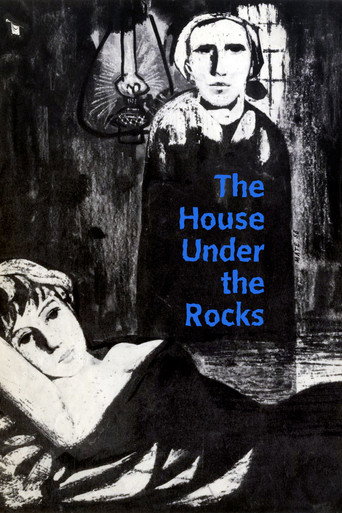
The House Under the Rocks
Three people – a returned prisoner of war, his beautiful second wife, and the possessive, hunchbacked spinster who is his sister-in-law by his first marriage – are isolated in a little house under an extinct volcano, where each strives for personal happiness but is suffocated by their dependence on the others.
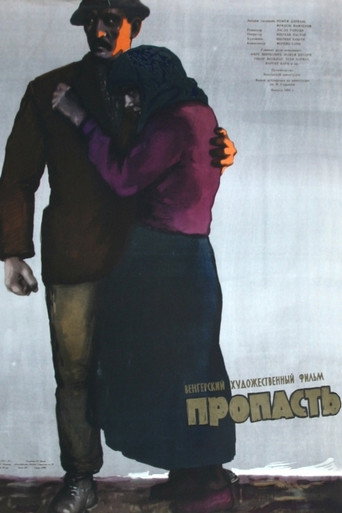
Abyss
Nagy István, the formerly poor peasant boy returns to his native village as a teacher. His conviction is that the abyss between rich and poor can be diminished by good will. The rich Böröcz Horváth Klári returns his love, and also Böröcz Horváth is willing to help the poorest family, the Bakos. Bakos Jóska, who was sent to serve the tough Böröcz Horváth as a payment, dies of an infected wound and the people in the village hold the teacher liable as well. Nagy István realises, that the abyss cannot be ceased, what is more, it is impassable. He breaks up with his fiancée and stands by the side of the poor.
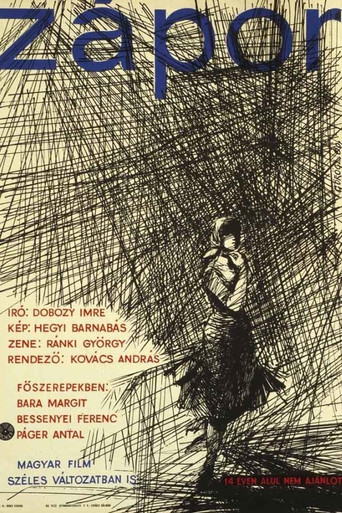
Summer Rain
Miskei, the popular and dynamic president of a co-op falls in love with Mari, the attractive wife of the elderly Pató. The deeply feeling woman is fed up with the service beside the haughty land holder, she is longing for tenderness and a child. The passion of Miskei is growing when he sees how crudely, humiliating Pató treats her. During a powerful summer shower, when chance brings them together in an abandoned press house, he storms on Mari confessing love. The woman refuses him bitterly. Miskei calms down and he keeps on expressing his love and high esteem with the woman by steadfast and tiny compliments. Early one morning Mari leaves her husband and sets off to the city to learn and to begin a new life.
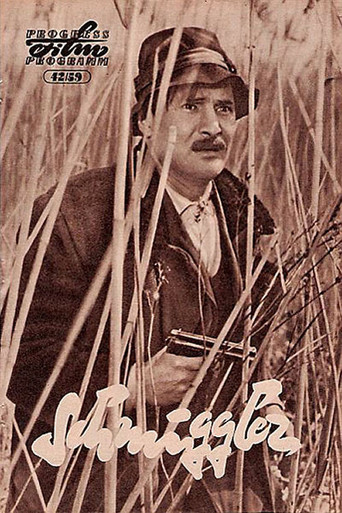
The Smugglers
In the thirties, the poor living by the Romanian-Hungarian border were forced to smuggle if they wanted to survive. Mihály, a Hungarian peasant, kills a border guard while fleeing. He is fed up with smuggling and wants to put an end to it, yet he needs money to get a job, so he embarks on another turn.
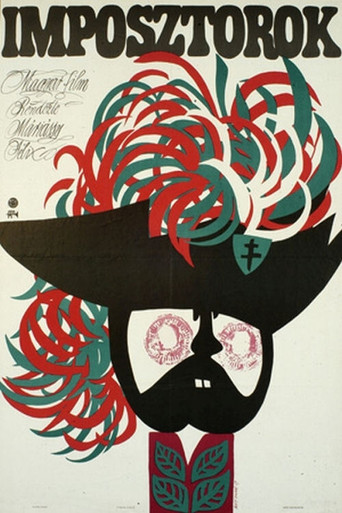
Impostors
This grotesque historical film is a caricature of the narrow-minded and careerist oligarchs of the 20s. A young military officer stops the young jurist from killing himself and recommends him to his commander, lieutenant-colonel Doborján as a typist.
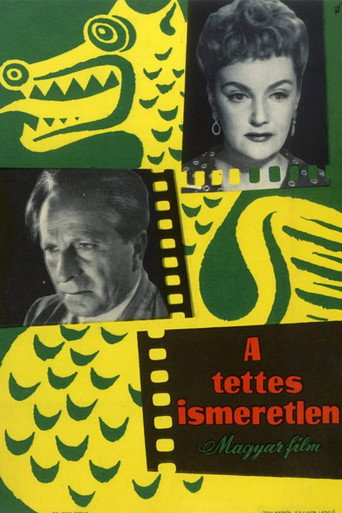
Danse Macabre
Life is on in the old house of Vizváros. Kids play on the ground. The adopted son of the janitor, Matyi, is hopelessly in love with Juli. He would like to emigrate to America with her. She prefers Janó, the driver, a great womaniser.
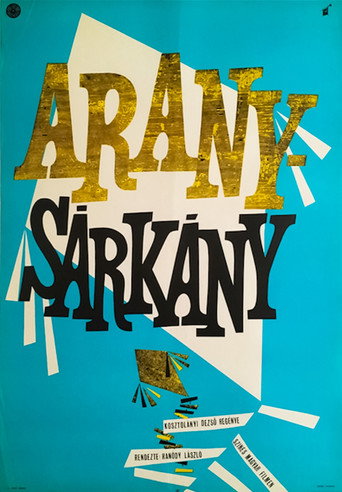
The Golden Kite
The film is put at the beginning of the century in Sárszeg, following the humiliation and collapse of a high-school teacher.

Skylark
Based on a novel by Dezso Kosztolani, this Hungarian drama is set at the turn of the 20th century. A young, homely woman lives at home with her mother and retired father. Because of all the care the girl provides for her parents, the couple becomes detached from the world outside their home. When the girl leaves for a short visit to her uncle's home, the parents realize the extent of their separation from society and their selfish feelings toward their own daughter.
Gallery