Margaret Lockwood Movies, TV Shows, and Filmography
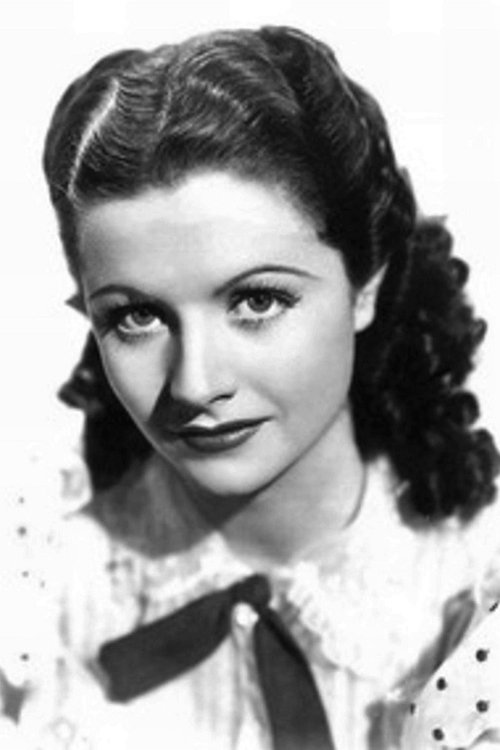
Margaret Lockwood
Acting
Biography
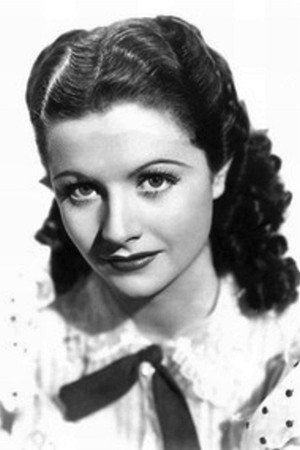
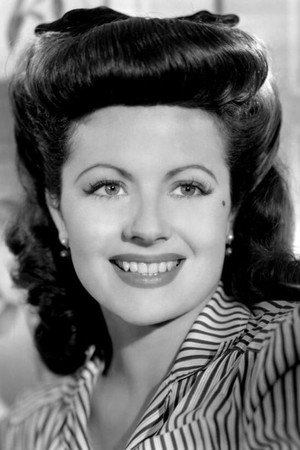
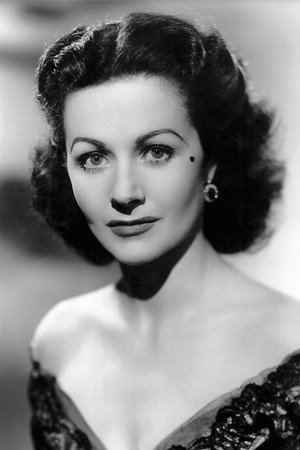
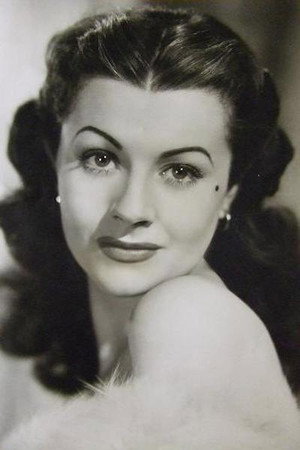
Margaret Lockwood, CBE (15 September 1916 – 15 July 1990) was an English actress, notable for her performance in the 1945 Gainsborough movie, The Wicked Lady. Margaret Mary Lockwood Day was born in Karachi, British India (now Karachi, Pakistan), to an English administrator of a railway company and his Scottish wife. Lockwood's family returned to the United Kingdom when she was a child, along with her brother. She attended Sydenham High School for girls, and a ladies school in Kensington, London. She began studying for the stage at an early age at the Italia Conti, and made her debut in 1928, at the age of 12, at the Holborn Empire, where she played a fairy in A Midsummer Night's Dream. In December of the following year, she appeared at the Scala Theatre in the pantomime The Babes in the Wood. In 1932, she appeared at the Theatre Royal, Drury Lane in Cavalcade. Lockwood then trained at the Royal Academy of Dramatic Art in London, where she was seen by a talent scout and signed to a contract. In June 1934, she played Myrtle in House on Fire at the Queen's Theatre, and on 22 August 1934 appeared as Margaret Hamilton in Gertrude Jenning's play Family Affairs when it premiered at the Ambassadors Theatre; Helene Ferber in Repayment at the Arts Theatre in January 1936; Trixie Drew in Henry Bernard's play Miss Smith at the Duke of York's Theatre in July 1936; and back at the Queen's in July 1937 as Ann Harlow in Ann's Lapse. Lockwood entered films in 1934, and in 1935 she appeared in the film version of Lorna Doone. In 1938 she starred in her most successful film, Alfred Hitchcock's The Lady Vanishes, in which she first appeared with Michael Redgrave. In 1940, she played the role of Jenny Sunley, the self-centered, frivolous wife of Michael Redgrave's character in The Stars Look Down. In the early 1940s, Lockwood changed her on-screen image to play villainesses in both contemporary and period films, becoming the most successful actress in British films during that period. Her greatest success was in the title role in The Wicked Lady (1945), a film which was controversial in its day and brought her considerable publicity. In 1946 Lockwood gained the Daily Mail National Film Awards First Prize for most popular British film actress. She made a return to the stage in a record-breaking national tour of Noel Coward's Private Lives in 1949, and also played Eliza Doolittle in Pygmalion at the Edinburgh Festival of 1951, and the title role in Peter Pan in 1949, 1950, and 1957 (the latter with her daughter as Wendy). Her subsequent long-running West End hits include an all-star production of Wilde's An Ideal Husband (1965/66, in which she played the villainous Mrs Cheveley), Somerset Maugham's Lady Frederick (1970), Relative Values (Noel Coward revival, 1973), and the thrillers Spider's Web (1955, written for her by Agatha Christie), Signpost to Murder (1962), and Double Edge (1975). In 1969, she starred as barrister Julia Stanford in the TV play, Justice is a Woman. This inspired the Yorkshire Television series, Justice, which ran for three seasons (39 episodes) from 1971 to 1974, and featured her real-life partner, John Stone, as fictional boyfriend, Dr Ian Moody. Lockwood's role as the feisty Harriet Peterson won her Best Actress Awards from the TV Times (1971) and The Sun (1973). Her last professional appearance was as Queen Alexandra in Royce Ryton's stage play, Motherdear (Ambassadors Theatre, 1980). She was created a CBE in the New Year Honours of 1981. Margaret Lockwood had married and been divorced from Rupert Leon. She lived her final years in seclusion and died in the Cromwell Hospital, Kensington, London from cirrhosis of the liver, aged 73. She was cremated at Putney Vale Crematorium. She was survived by her daughter, actress Julia Clark (née Margaret Julia Leon, born 1941).
Filmography Movies
Acting
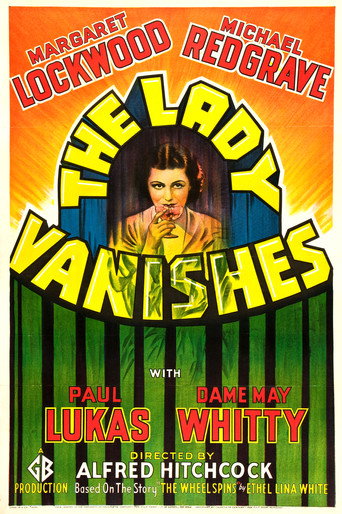
The Lady Vanishes
On a train headed for England a group of travelers is delayed by an avalanche. Holed up in a hotel in a fictional European country, young Iris befriends elderly Miss Froy. When the train resumes, Iris suffers a bout of unconsciousness and wakes to find the old woman has disappeared. The other passengers ominously deny Miss Froy ever existed, so Iris begins to investigate with another traveler and, as the pair sleuth, romantic sparks fly.
Jury's Evidence
The Foreman of an Old Bailey jury refuses to accept circumstantial evidence and helps solve murder case.
James Mason: The Star They Loved to Hate
Retrospective of the life and movie work of British actor James Mason. The documentary presents interview footage interspersed with some movie excerpts, mainly from his pre-hollywood period.
Spider's Web
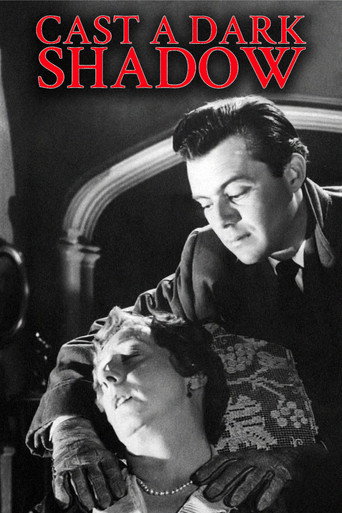
Cast a Dark Shadow
Edward "Teddy" Bare is a ruthless schemer who thinks he's hit the big time when he kills his older wife, believing he will inherit a fortune. When things don't go according to plan, Teddy sets his sights on a new victim: wealthy widow Freda Jeffries. Unfortunately for the unscrupulous criminal, Freda is much more guarded and sassy than his last wife, making separating her from her money considerably more challenging.
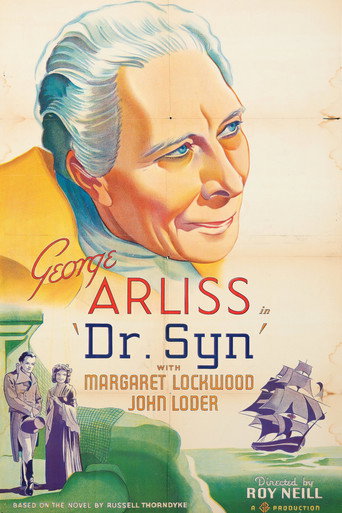
Doctor Syn
A highly respected clergyman is actually a former pirate who exacts vigilante justice in this British production.
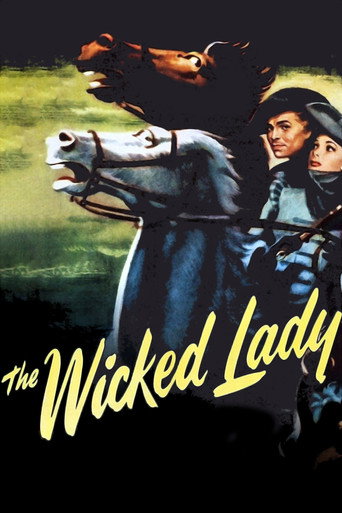
The Wicked Lady
A married woman finds new thrills as a masked robber on the highways.
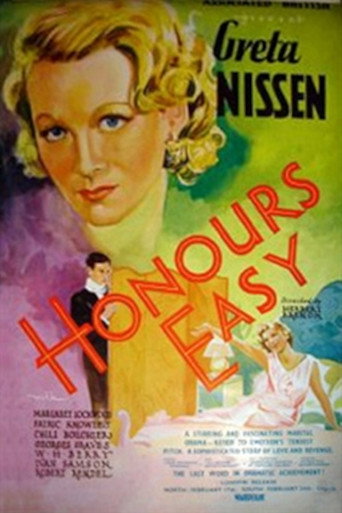
Honours Easy
Unhinged art dealer William Barton seeks revenge on a man who ruined his career years ago. He does so by attempting to frame the man's son for the theft of $2,500 from the safe in his gallery. However the son has an alibi in Barton's wife, with whom he is having an affair.
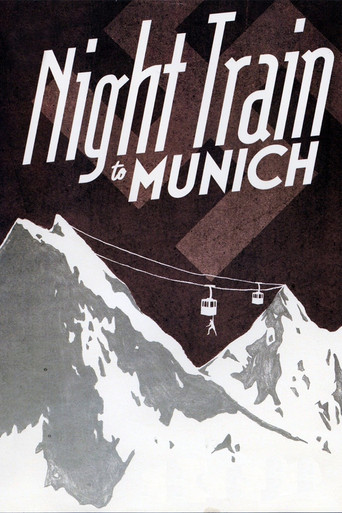
Night Train to Munich
Czechoslovakia, March 1939, on the eve of World War II. As the German invaders occupy Prague, inventor Axel Bomasch manages to flee and reach England; but those who need to put his knowledge at the service of the Nazi war machine, in order to carry out their evil plans of destruction, will stop at nothing to capture him.
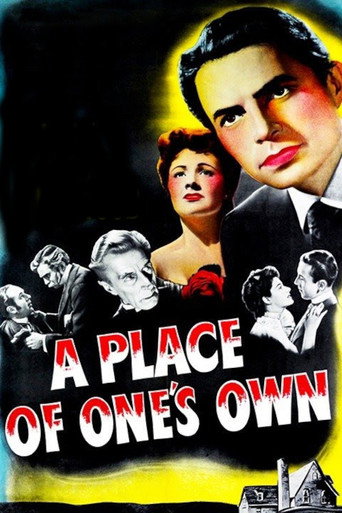
A Place of One's Own
An elderly couple move into an old, supposedly haunted abandoned house. A young girl comes to live with the pair as a companion for the wife. However, soon the girl is possessed by the spirit of another girl, a wealthy woman who had once lived in the house but who had been murdered there.
Gallery