Margaret Booth Movies, TV Shows, and Filmography
Margaret Booth
Editing
Biography
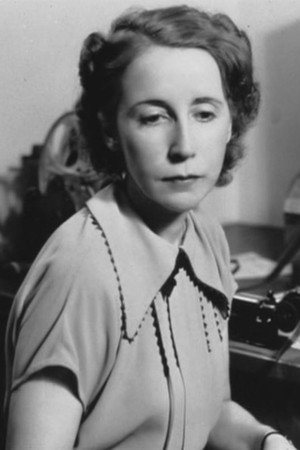
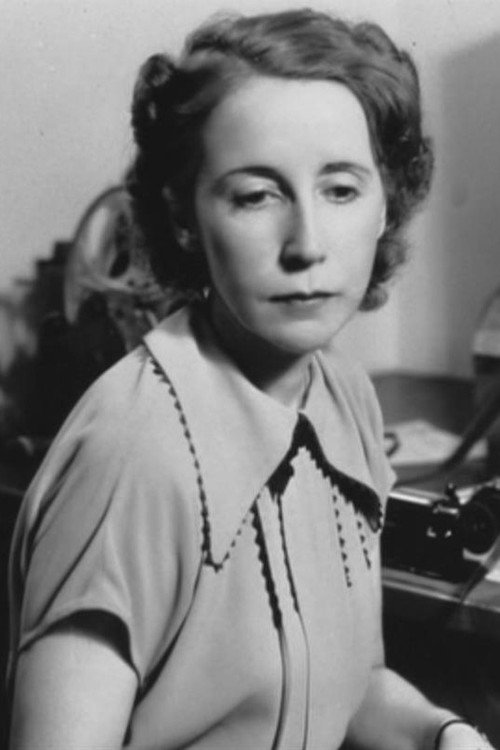
Margaret Booth (January 16, 1898 – October 28, 2002) was an American film editor. Born in Los Angeles, she started her Hollywood career as a 'patcher', editing films by D. W. Griffith, around 1915. Her brother was actor Elmer Booth. Later she worked for Louis B. Mayer when he was an independent film producer. When Mayer merged with others to form Metro-Goldwyn-Mayer in 1924, she worked as a director's assistant with that company. She edited several films starring Greta Garbo, including Camille (1936). Booth later edited such diverse films as Mutiny on the Bounty (1935, for which she was nominated for an Academy Award). A few films associated with her are Wise Girls (1929), A Yank at Oxford (1938), The Way We Were (1973), The Sunshine Boys (1975), The Goodbye Girl (1977), The Cheap Detective (1978), and Seems Like Old Times (1980). She was supervising editor and associate producer on several films for producer Ray Stark, culminating with executive producer credit on The Slugger's Wife in 1985 when she was 87 years old. She received an Academy Honorary Award from the Academy of Motion Picture Arts and Sciences in 1978 for her work in film editing. She is the longest-lived person ever to have been given an Oscar. In 1983 she was awarded the Women in Film Crystal Award for outstanding women who, through their endurance and the excellence of their work, have helped to expand the role of women within the entertainment industry. In 1990, Booth was honoured with the American Cinema Editors Career Achievement Award. Margaret Booth died in 2002, aged 104, from complications of a stroke. She is interred at Inglewood Park Cemetery, Inglewood, California.
Filmography Movies
Acting
Editors on Editing
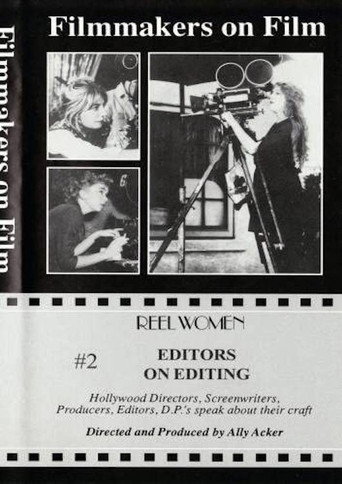
Film editing initially began as a woman's art in France. As veteran film editor, Dede Allen, tell it, "They thought that women were good at little details, like sewing." Before editing became a craft, women were the earliest technicians. Today, the long tradition of women editors carries on.
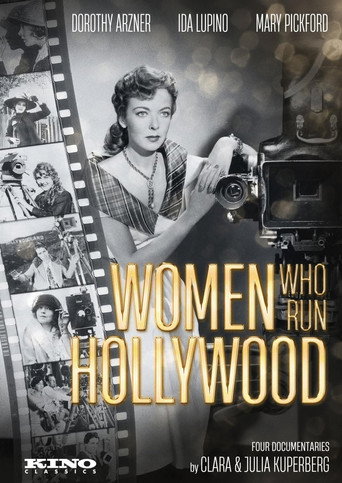
The Women Who Run Hollywood
The first talkie was directed by Alice Guy, the first color film was produced by Lois Weber, who directed more than 300 films over 10 years. Frances Marion wrote screenplays for the Hollywood Star Mary Pickford and won two Oscars, Dorothy Arzner was the most powerful film director in Hollywood. And what do all of them have in common? They are all women and they have all been forgotten. Incredibly, it also took until 2010 for the first woman, Kathryn Bigelow, to win the Oscar for Best Director. Even if underrepresented women have always played a big part in Hollywood and it is this part of the film history left untold that this documentary sets out to uncover.
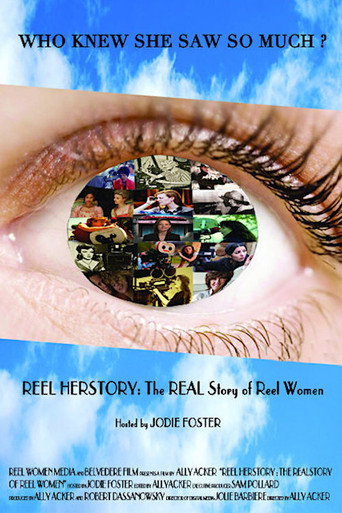
Reel Herstory: The Real Story of Reel Women
Using rare footage and exclusive interviews with filmmakers from all over the globe, "Reel Herstory" corrects the historic notion that women behind the scenes in motion pictures held peripheral careers compared with their male counterparts.
Production
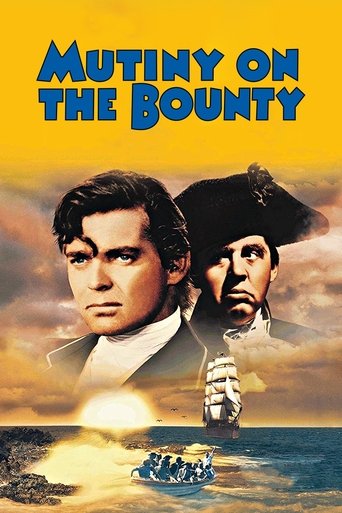
Mutiny on the Bounty
Fletcher Christian successfully leads a revolt against the ruthless Captain Bligh on the HMS Bounty. However, Bligh returns one year later, hell bent on revenge.
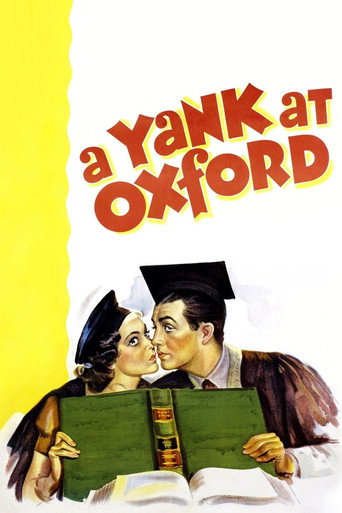
A Yank at Oxford
A brash young American aristocrat attending Oxford University gets a chance to prove himself and win the heart of his antagonist's sister.
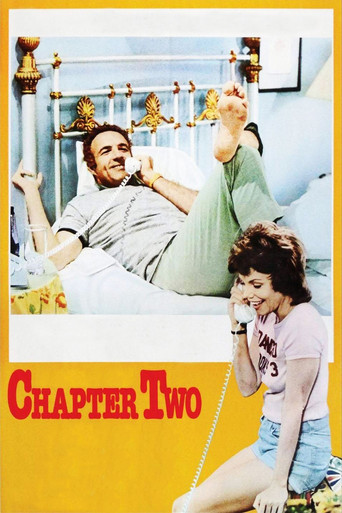
Chapter Two
George Schneider is an author whose wife had just died. His brother Leo gives him the number of Jennie Malone, and somehow they hit it off. And just when things are moving along, the memory of his first wife comes between them.
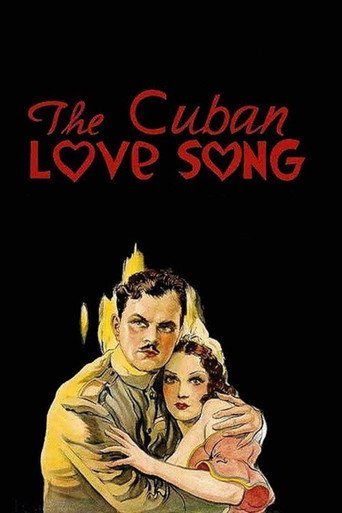
The Cuban Love Song
A guilt-ridden U.S. Marine returns to Cuba to try to find the woman he promised to marry.
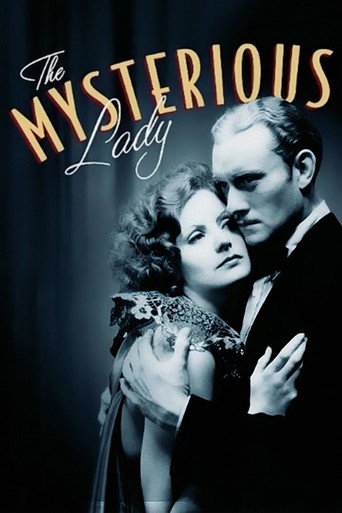
The Mysterious Lady
A beautiful Russian spy seduces an Austrian military officer in order to obtain secret plans. When she falls in love with him, both are placed in danger.
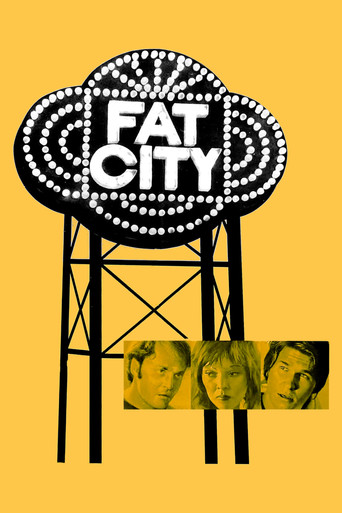
Fat City
The story of two men, a veteran boxer who is down and out, and a young man who is just starting his life and boxing career. Their fighting careers cross paths as their lives and fortunes head in opposite directions. Director John Huston tells their stories with a level, unsentimental honesty and makes it into one of his best films.
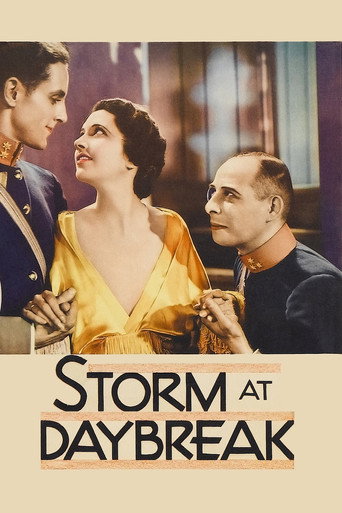
Storm at Daybreak
Sarajevo June 28, 1914. Dushan, the Serbian mayor of a Hungarian town, has come to see the parade of Archduke Ferdinand. While there he runs into Geza, an old friend in the Hungarian Army and invites him to come to his house and visit him and his new wife.
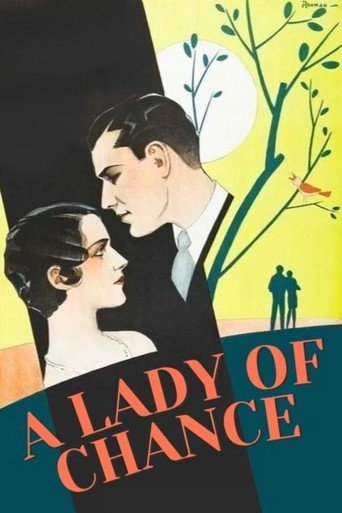
A Lady of Chance
A con woman working the Atlantic City hotels targets a visiting businessman from Alabama.
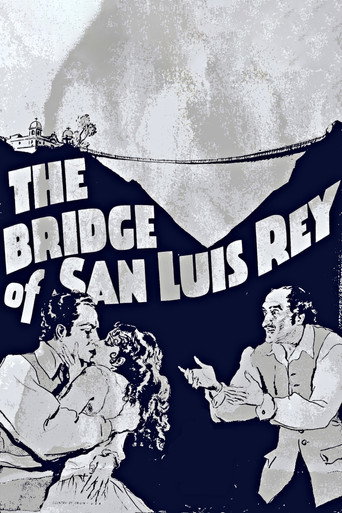
The Bridge of San Luis Rey
This first cinematic version of the classic book is a part-talkie, although the only surviving print is silent (housed in the George Eastman House, Rochester, NY). It is a straight-forward telling of the intermingled lives of a group of strangers doomed to die in a collapsing bridge accident. The Art Direction, paltry and unremarkable, surprisingly won an Oscar over the far more remarkable work nominated in THE IRON MASK. The special effect scene of the lovers plummeting with the bridge into the chasm is unforgettable and remarkably done.
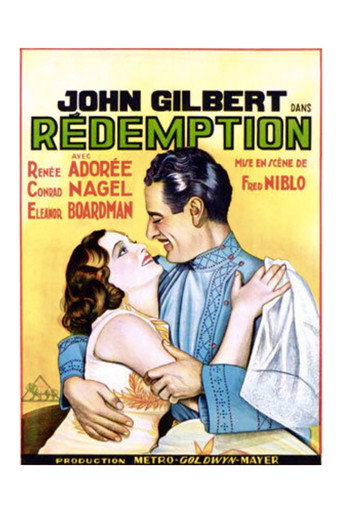
Redemption
In Russia in the early 1900s, Fedya, a handsome, self-indulgent womanizer, falls in love with and marries Lisa, his friend Victor's fiancée. Fedya quickly tires of domestic life and resumes his profligate ways, drinking and gambling away his family's fortune. Lisa refuses to leave him despite his deplorable ways, so he takes drastic measures to ensure that she will no longer be harmed by his actions and reputation.
Gallery