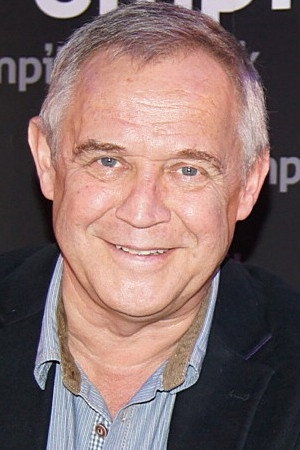
Marek Kondrat Movies, TV Shows, and Filmography
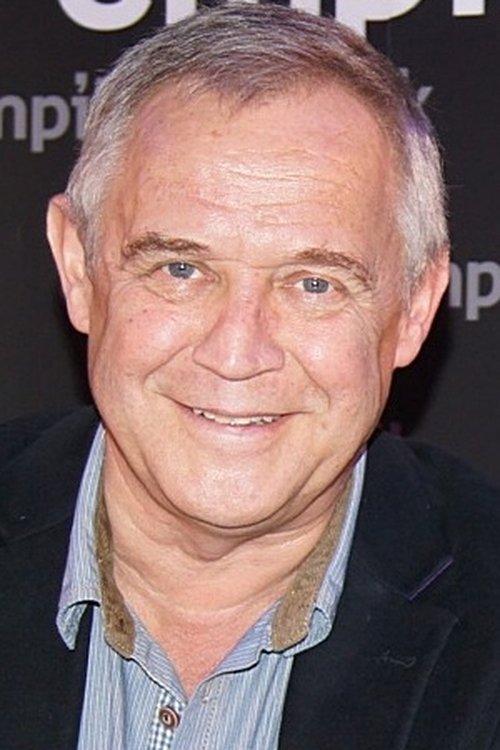
Marek Kondrat
Acting
Biography
Marek Tadeusz Kondrat (born 18 October 1950) is a former Polish TV, film and theatrical actor, director. He is a graduate of the Jan Śniadecki High School No. 30 in Warsaw. In 1972, he graduated from the National Academy of Dramatic Art in Warsaw (PWST). He played his first role as a child in 1961 film Historia żółtej ciżemki. Between 1972-1973, he worked at the Stanisław Wyspiański Silesian Theatre in Katowice. He also worked at the Dramatic Theatre in Warsaw (1973–1984, 1987–1988), French Institute (1984), New Theatre (1985–1986), Comedy Theatre (1989), Za Dalekim (1990), Ateneum Theatre (1992–1999) and Zygmunta Hübner's Theatre (2002). His most notable roles, which made him one of the most popular actors in Poland, are featured in such films as Janusz Majewski's 1975 film Hotel Pacific, Andrzej Wajda's 1976 film Smuga cienia where he played the role of Joseph Conrad, Krzysztof Zanussi's 1981 biographic film From a Far Country, Janusz Majewski's 1985 comedy film C.K. Dezerterzy, Kazimierz Kutz's 1996 film Pułkownik Kwiatkowski, Marek Koterski's 2002 film Day of the Wacko and 2006 film We're All Christs. In 2002, he was awarded the Commander's Cross of the Order of Polonia Restituta. In 2007, he planned to revolutionize the Polish domestic wine market by introducing Winarium wine stores in every city with a population of over 100,000. On 19 September 2015 he married Antonina Turnau, daughter of Grzegorz Turnau. Source: Article "Marek Kondrat" from Wikipedia in English, licensed under CC-BY-SA 3.0.
Filmography Movies
Acting
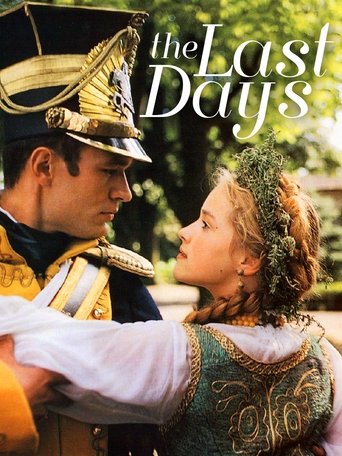
The Last Days
Romance brings two warring families together in this historical drama. As citizens fight for independence in 1810s Lithuania, Tadeusz, the son of a murderer, and Zosia, a young woman, come together for a wedding against a backdrop of changing politics, ancient traditions, and the uncertain future of a country.

Day of the Wacko
It is a bitter story about a middle-aged man, who hates his life and other people, including himself. Adam Miauczynski, the character known from director Marek Koterski's previous films, is a 44 year-old teacher, who reads poetry during school lessons and later goes home swearing and calling his neighbours' names. The worst pain for him is the next 5 minutes of living. He doesn't accept himself and even everyday contacts with others cause his aggression. Though constantly dreaming of a romantic love, he is not bold enough to make his dreams come true. The desperate Miauczynski personalizes our own fears and obsessions, which have become so visible recently.
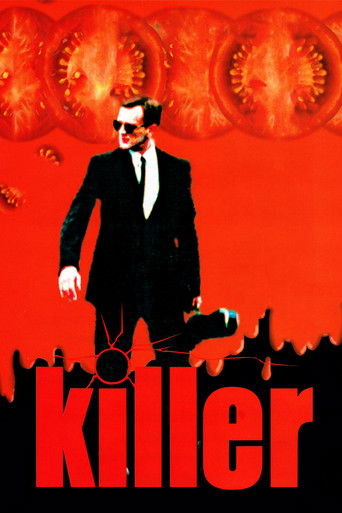
Killer
An innocent cab driver is mistaken for a contract killer and imprisoned. Soon, he is sprung by a mob boss who needs a "killer" for a few more jobs.
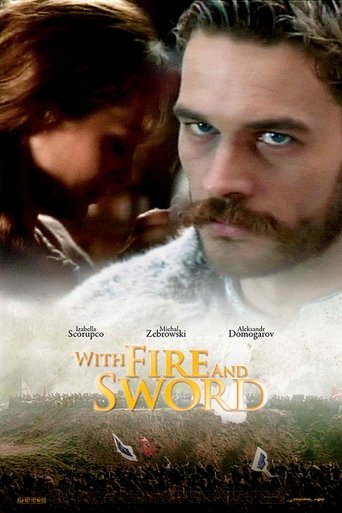
With Fire and Sword
In the mid-17th century, Poland was the largest, most democratic, and most tolerant country in Europe. However, a tragic civil war brought about the gradual decline of the once glorious republic... An epic story about the Ukrainian uprising against the Polish-Lithuanian Commonwealth magnates in the 17th Century.
Hamadria
Maintained in the convention of a daydream, or rather a psychedelic vision, an impression on the works of Stanisław Ignacy Witkiewicz. Individual sequences of the film depict fragments of Witkacy's works, and the whole seems to be a commentary on the sentence: "I remember that night, when boundless terror took over the innermost fibers of my brain, and all I could hear was that terrible babble in the gaping maw of the unknown, that something blind, turning its blade toward itself."
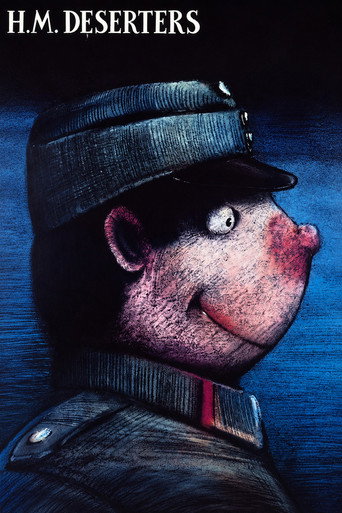
H.M. Deserters
Set in 1918, this World War I drama follows a group of Austro-Hungarian soldiers—Czechs, Jews, Italians, and others—confined in a provincial barracks under German officers. Subjected to the cruelty of a sadistic lieutenant, they rebel, humiliate him, and later attempt escape. Disguised as guards for veterinary surgeons in Budapest, the deserters are eventually recaptured and returned for court-martial, forced once more to face their tormentor.
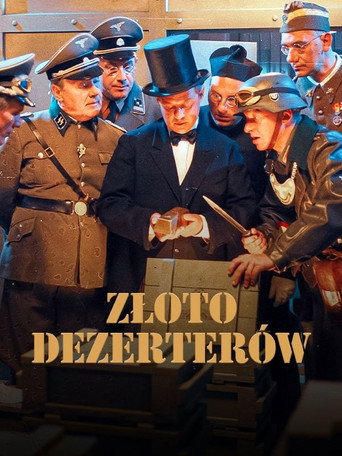
Deserter's Gold
"Deserter's Gold", the sequel to the very popular "The Deserters", is a rich war comedy, skipping humorously around the more serious dangers of a war. Deserters Gold takes place during World War II, while the first film happened during WWI. The heroes' mission is to rob a Nazi-run bank in Poland for gold that will buy military supplies for the Polish Underground.
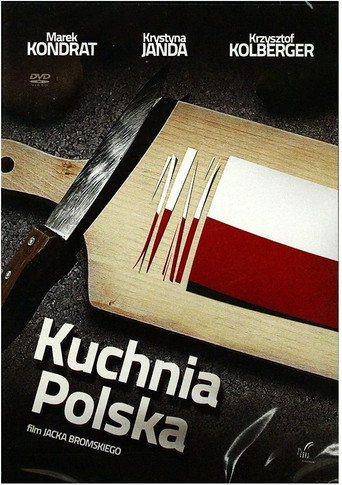
Polish Cuisine
A Polish lieutenant from the Royal Air Force comes home with his British wife and faces political persecution.
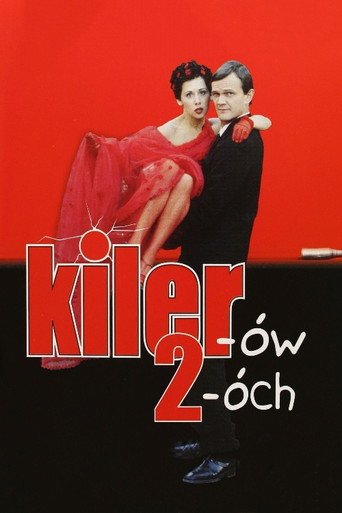
Killer 2
Jurek Kiler has become a VIP - sponsoring the Polish government, playing tennis with the President, meeting world leaders. He must oversee a transfer of a substantial amount of gold. However, in his past activities, he has made enemies. Mighty ones. And thus Jurek Kiler's next adventure begins as he has to face attempts at kidnapping, assassinations and problems in his love life...
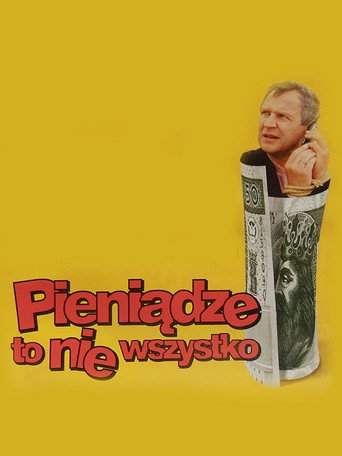
Money Is Not Everything
The protagonist of the film is a 50-year-old businessman, Tomasz Adamczyk, who wants to give up running his winery business and devote himself to his lifelong passion for philosophy. This idea does not appeal to his business partner. On top of all this, Tomasz has an accident and is taken hostage by enthusiasts of the wine he produces.
Production
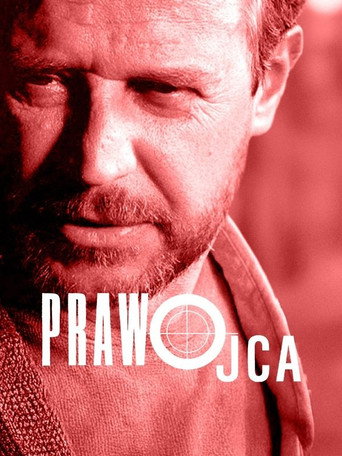
Father's Law
When the ex-racing driver's teenage daughter is brutally raped, her father seeks justice on his own.
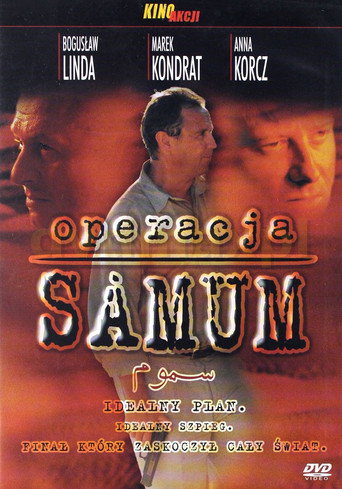
Operacja Samum
The war between Iraq and Kuwait is just about to begin. While all foreigners are leaving Iraq, Pawel, a young Polish engineer is captured by the Iraqi Secret Service. His father, a retired secret service operative goes to Iraq to attempt to rescue him not knowing that he is secretly being used as bait. Now, two Polish secret agents have been assigned by the CIA to attempt a rescue mission. The stakes are high, but are they high enough to risk the life of one of the best officers?
Gallery