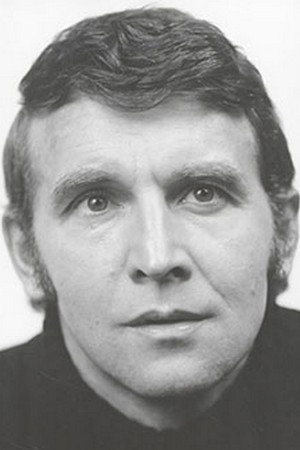
Marek Dąbrowski Movies, TV Shows, and Filmography
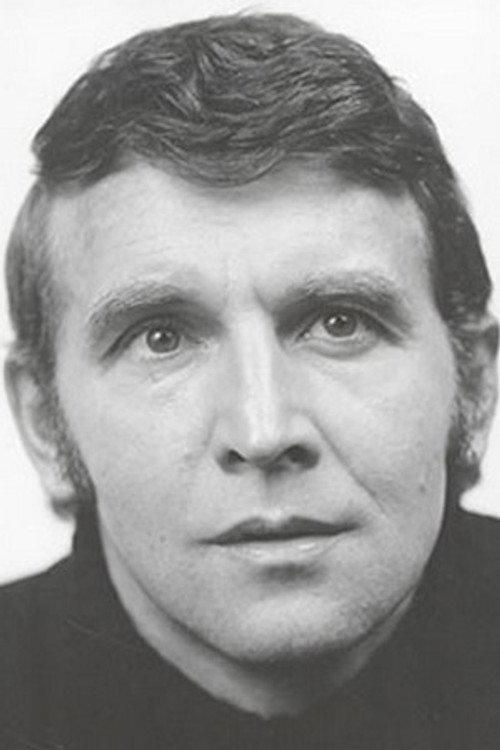
Marek Dąbrowski
Acting
Biography
No biography available.
Filmography Movies
Acting
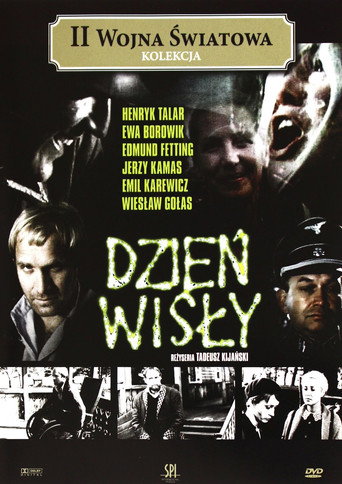
Dzień Wisły
September 13, 1944. On the right bank of the Vistula, a group of young people is getting ready to cross to help the fighting Warsaw. Tadeusz, a young poet with amputated legs meets Katarzyna. Two officers of the Home Army and the AL, Polish and Soviet soldiers come here. A fight ensues with the Nazis trying to get out of the encirclement. Katarzyna is raped by one of them in front of the powerless Tadeusz. . . Two boats are sinking crossing the Vistula. Tadeusz falls into the river with a wheelchair ...
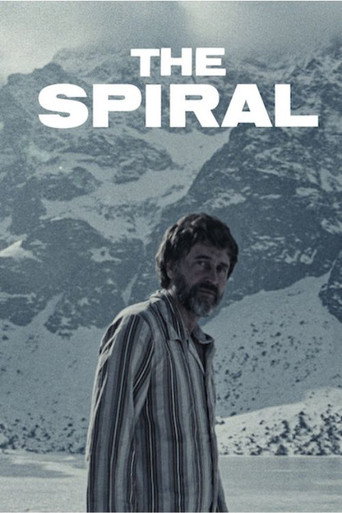
The Spiral
In what appears to be an inexplicable incident, a man drives up to a resort hotel in midwinter, throws away his car keys, enters, and proceeds to agitate everyone he meets with his urgency -- a message he is somehow unable to communicate. Then he leaves, disappearing in the snow. Later, the people he appeared to have upset have gathered to search for him and find him frostbitten, but alive. Visiting him at the sanatorium to which he has been taken, they gradually discover what was really happening.
Radio powstańcze "Błyskawica"
Episodes of the Warsaw Uprising as reported by the insurgent radio station "Błyskawica," illustrated with archival photographs and photos of contemporary Warsaw. Professor Tomasz Strzembosz talks about the specifics of the insurgent struggle and the construction of the station's transmitter, which was constantly moved to different buildings in the city center during the fighting. The film attempts to show what "Błyskawica" meant to Home Army soldiers and the residents of Warsaw and recounts what the station reported on, namely the general situation in the city during the uprising, problems with weapons, food, and water, the insurgent postal service, the explosion of a tank trap, the work of ad hoc hospitals, teenage liaison officers and guides in the sewers, and the execution by the Germans of an entire unit that had surrendered.
Two Brigades
A social drama that depicts a conflict between a young factory collective and a sympathetic but backward old specialist.
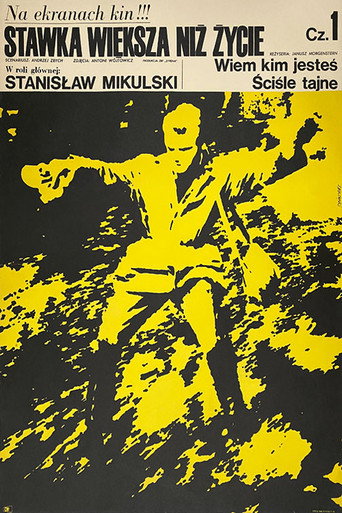
More Than Life At Stake Part One
The first of six episode compilations of the TV show released theatrically, featuring episodes 1 and 3. In 1941, Polish soldier Stanisław Kolicki escapes German captivity only to be mistaken for the dashing Abwehr lieutenant Hans Kloss and recruited by the Soviets as their secret agent J-23. Under deep cover behind enemy lines, he feeds crucial intelligence to the Red Army while outwitting suspicions and dueling wits with the formidable SS officer Hermann Brunner.
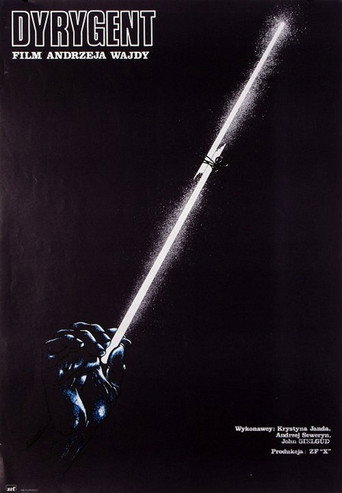
The Conductor
A violinist in a provincial Polish orchestra, whose husband is the director of the ensemble, on a visit to the US ties up with the world- renowned symphony conductor. As it turns out he was once in love with violinist's mother. The conductor, a slightly unstable hypochondriac, returns to Poland to lead the provincial orchestra. He also tries to revive old love affair using the violinist as a surrogate of her mother. Her husband is resentful of the conductor for both personal and professional reasons.
Gallery