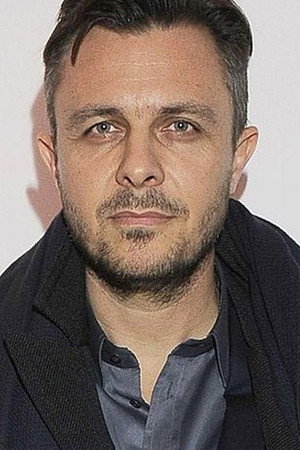
Marek Bukowski Movies, TV Shows, and Filmography
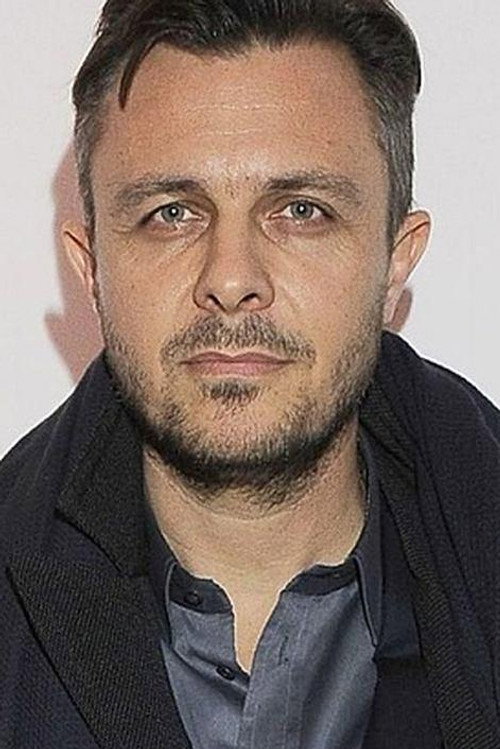
Marek Bukowski
Acting
Biography
No biography available.
Filmography Movies
Acting
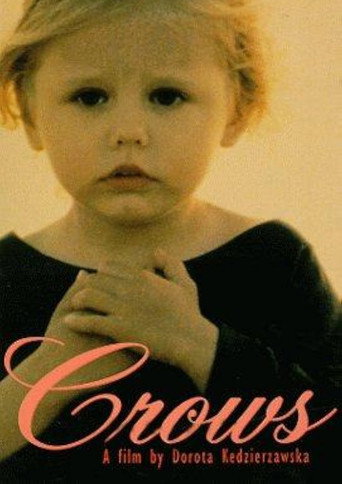
Crows
In a quiet, lonesome Polish city, a neglected ten year old girl kidnaps a pampered toddler and pretends to be her mother.
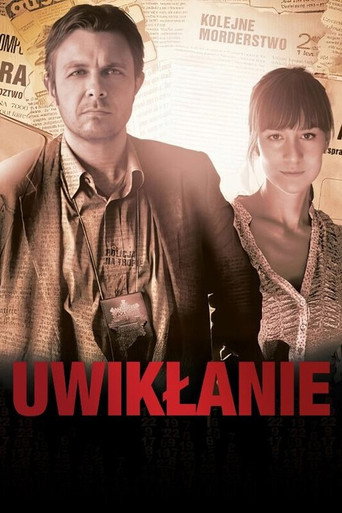
Entanglement
A member of a therapy group is found dead. A prosecutor and a police officer try to solve the mystery of his death.
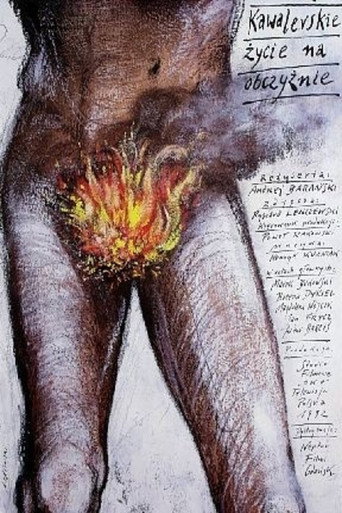
A Bachelor's Life Abroad
The action is set in the early 20th century. The film is made up of six sequences. In the first, Michal, young man who came from Poland to Germany, enrolls in a course on how to behave in social situations and on etiquette. However when he tries to approach girls using the rules which he's been taught... he only makes a fool of himself. Then, he goes to work for a man who owns a carousel and who loves to chase other women. In the next sequence, Michal meets the divorced landlady, Mrs. Luther, and goes through a whole lot of erotic experiences. When he escapes exhausted from his landlady, he starts working in a mine and visits brothels on a regular basis. He looks on women in a totally cynical manner. However, his persistent wandering must finally result in a true love.
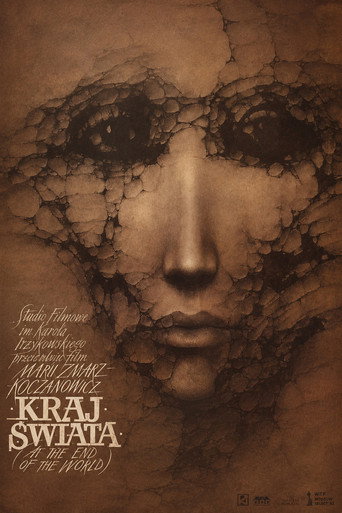
At the End of the World
The year is 1989, and the country's first free elections in a long time are approaching. A man in a cycling cap organizes a chain of clean hands, using it as a tool in his election campaign. In the queue outside the passport office, people chat, make plans, and ponder what's worth selling abroad. Writers observe the world around them. One of them is applying for a passport. In Dzierżyński Square, the monument to Feliks Edmundowicz is being dismantled. Two drunk men sleep on a bench, and behind them is a sign reading: "All is well." The two writers observe the ongoing transformation of the political system.

Career Girl
Zoska, is an attractive, well-educated and hard working woman who doesn't want to be stereotypically labeled by modern world. When she gets fired her world collapses, now she must realize what she really wants from life.
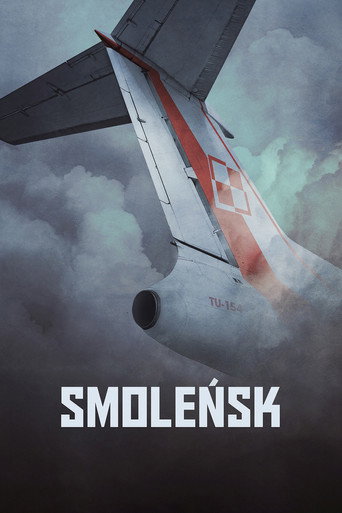
Smolensk
Inspired by true events of 2010 Polish Air Force Tu-154 crash in Smolensk, the film tells the partially fictional story of crash and various people affected by the tragedy. The protagonist is a journalist Nina, who refuses to accept the official version of the story and pursues her own independent investigation.
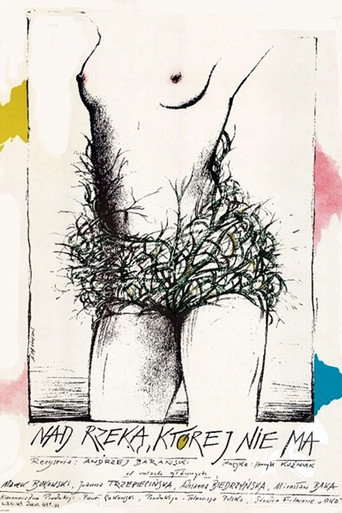
By the River Nowhere
Early 1960s. Four friends, Admiral, Ataman, Pasha and Chief, walk the streets of the town all day or sit at the train station, wallowing in their dreams. Everything changes when the Admiral meets Marta, a student on an internship. The boy begins to prefer the company of the girl over that of his colleagues. This becomes the cause of misunderstandings between friends. Soon, however, Marta leaves.
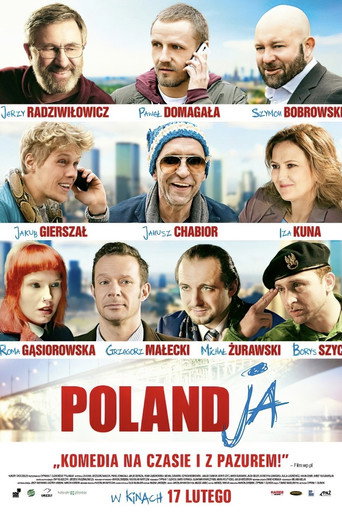
PolandJa
In just 24 chaotic hours, the characters stumble through a series of wildly untimely misadventures that turn their lives upside down.
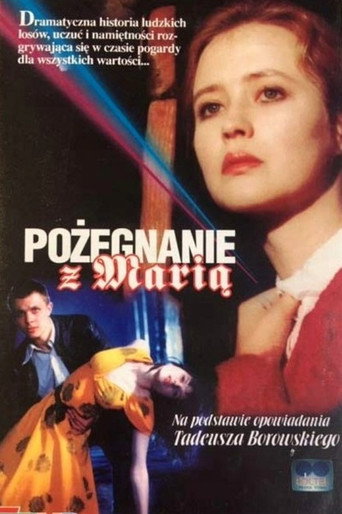
Pożegnanie z Marią
On their wedding day in occupied Poland, poet Tadeusz brings Sarah, the Jewish woman he rescued from a Gestapo officer, to the celebration, only for her captor Cieślik to crash the party and force her into an impossible choice: become his lover or betray her to the Nazis. Filip Zylber’s debut uses Tomasz Stańko’s music and expanded characterizations to breathe new poetic life into Borowski’s terse wartime tale.
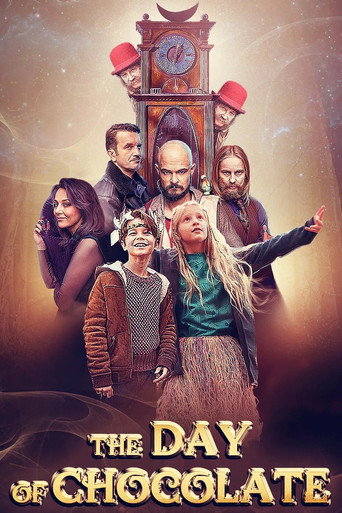
The Day of Chocolate
Through the window, Dawid watches a new neighbour move into a house next door. The girl is more or less his age. She's wearing a strange skirt. Later on, Dawid finds out it's a Hawaiian hula skirt and the girl's name is Monika. Most probably, he also learns why Monika's grandma has gone away to Hawaii.
Production
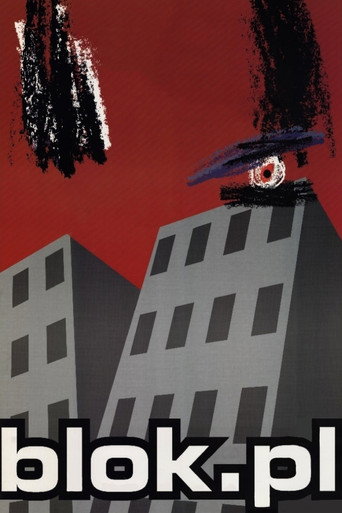
blok.pl
The residents of a grim 1970s apartment building - the owner of a neighborhood bar and his daughter, who works at the post office, a stockman of fairground junk, a maiden who dreams of becoming a model and winning the affections of the local handsome man, a lonely woman living among rubber dolls, a computer geek, five tracksuiters who spend their time between the gym and aggression towards the weak - try to reconcile in their daily lives the remnants of the People's Republic of Poland with new behavior patterns, gadgets and devices.
blok.pl
The residents of a grim 1970s apartment building - the owner of a neighborhood bar and his daughter, who works at the post office, a stockman of fairground junk, a maiden who dreams of becoming a model and winning the affections of the local handsome man, a lonely woman living among rubber dolls, a computer geek, five tracksuiters who spend their time between the gym and aggression towards the weak - try to reconcile in their daily lives the remnants of the People's Republic of Poland with new behavior patterns, gadgets and devices.
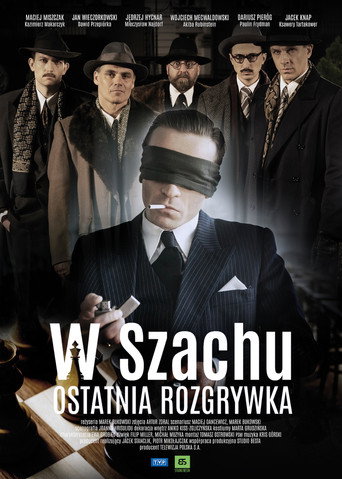
Shattered Games
The Polish national chess squad, the 'Golden Team', won the world chess championship in Hamburg in 1930, and was renamed by the German press as the 'Bombenmannschaft' ('Bomber Crew'). The film focuses on team leader, Akiba Rubinstein, alongside his fellow players Dawid Przepiórka, Ksawery Tartakower, Mieczyslaw Najdorf, Paulin Frydman and Kazimierz Makarczyk. They battle to win the trophy as well as dealing with the mental illness of Rubinstein and the outbreak of World War II. The film tracks the fate of the Polish players, some of whom are Jewish, as the Nazis occupy Poland.
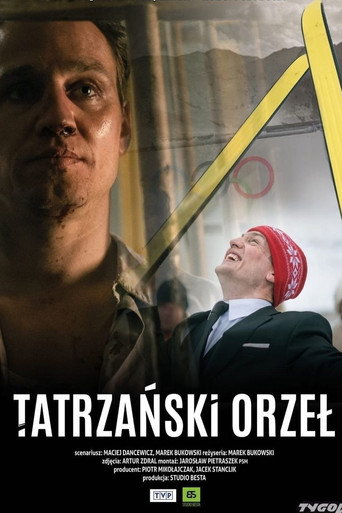
Marusarz. Tatrzański orzeł
Stanislaw Marusarz, a well-known Polish jumper, including: the 1938 world vice-champion in Lahti, four-time Olympian, seven-time participant in the ski world championships, as well as a second lieutenant of the Home Army, a Tatra courier. From the first months of the occupation, he was active in the underground as a courier of the Underground State to Hungary. In 1940, he jumped from the second floor and escaped from the Gestapo prison in Krakow. After the war, he was one of the longest active ski jumping athletes in the world. Marusarz became the guest of honor at the 4-Hills-Tournament in the 1965-66 season. He stood on the famous Gross-Titlis-Schanze at the age of 53 - his jump in a suit and tie has made his legacy. Marusarz's spectacular jump in a suit during the Four Hills Tournament '66 became a pretext to tell his fate, as well as the story of his sister Helena - a talented skier, participant of the Resistance Movement, murdered by the Nazis in 1941.
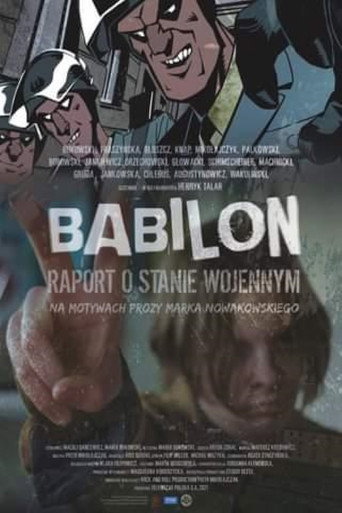
Babilon. Raport o stanie wojennym
A Polish historical film, based on Marek Nowakowski's book "Report on Martial Law. Notes from Everyday Life." An interesting procedure of the production is the combination of a classic feature film with animation stylized as a comic book.
Babilon. Raport o stanie wojennym
A Polish historical film, based on Marek Nowakowski's book "Report on Martial Law. Notes from Everyday Life." An interesting procedure of the production is the combination of a classic feature film with animation stylized as a comic book.
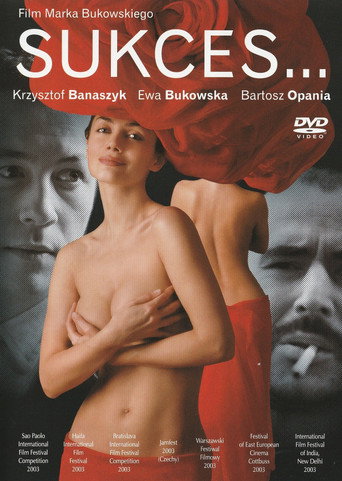
Sukces
The film tells the story of the life of Mark Late, who at first glance does not stand out from the crowd with anything special. We meet him in 1968, when, as an infant with a character, he gives a "crack" to everyone in his closest environment. Through Marek's subjective and witty gaze we see the banana era of Gierek, the election of the Pope-Pole, martial law with perpetually missing oranges, which are to arrive from brotherly Cuba at an unspecified time. Eighteen-year-old Marek, after failing the exam for the School of Theater, calls up the army, from which Marek... deserts. The second time he gets into the school of his dreams, and only then does his life gain momentum. He finds a spiritual mentor, a great actor. He befriends the extravagant Victor. But most of all, he falls in love with the beautiful Marta, a fellow student...
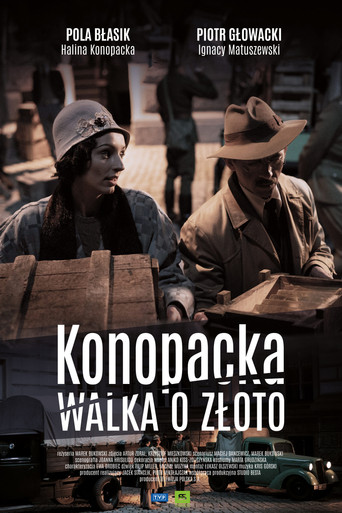
Konopacka. Walka o złoto
Pre-war, elegant Warsaw, the Olympic arena in Amsterdam and the wilderness of eastern Poland. These in September 1939 Konopacka traveled while being one of the drivers of a convoy evacuating the reserves of the Bank of Poland, led by her husband Colonel Ignacy Matuszewski. The action takes place on two time planes: the dramatic evacuation of the reserves of the Bank of Poland is supplemented by flashbacks, in which the most important events in the life of the main character will be introduced.
Sukces
The film tells the story of the life of Mark Late, who at first glance does not stand out from the crowd with anything special. We meet him in 1968, when, as an infant with a character, he gives a "crack" to everyone in his closest environment. Through Marek's subjective and witty gaze we see the banana era of Gierek, the election of the Pope-Pole, martial law with perpetually missing oranges, which are to arrive from brotherly Cuba at an unspecified time. Eighteen-year-old Marek, after failing the exam for the School of Theater, calls up the army, from which Marek... deserts. The second time he gets into the school of his dreams, and only then does his life gain momentum. He finds a spiritual mentor, a great actor. He befriends the extravagant Victor. But most of all, he falls in love with the beautiful Marta, a fellow student...
Sukces
The film tells the story of the life of Mark Late, who at first glance does not stand out from the crowd with anything special. We meet him in 1968, when, as an infant with a character, he gives a "crack" to everyone in his closest environment. Through Marek's subjective and witty gaze we see the banana era of Gierek, the election of the Pope-Pole, martial law with perpetually missing oranges, which are to arrive from brotherly Cuba at an unspecified time. Eighteen-year-old Marek, after failing the exam for the School of Theater, calls up the army, from which Marek... deserts. The second time he gets into the school of his dreams, and only then does his life gain momentum. He finds a spiritual mentor, a great actor. He befriends the extravagant Victor. But most of all, he falls in love with the beautiful Marta, a fellow student...
Gallery