Marco D'Almeida Movies, TV Shows, and Filmography

Marco D'Almeida
Acting
Biography
Trained in London and New York as a Calouste Gulbenkian Foundation scholar, Marco D’Almeida has developed a career spanning cinema, theatre and television. In film, he worked with Raoul Ruiz (Mistérios de Lisboa), Bille August (Night Train to Lisbon), Marco Pontecorvo (Fatima), Imanol Uribe (Miel de Naranjas), António-Pedro Vasconcelos (A Bela e o Paparazzo), Joaquim Leitão (Índice Médio de Felicidade, 20,13) and Tiago Guedes & Frederico Serra (Coisa Ruim). He also appears in Justicia Artificial and Vindima. On stage, he collaborated with Carlos Avilez, Tiago Guedes and Rogério de Carvalho, with highlights including Macbeth, which earned him the Golden Globe for Best Actor. On television, he featured in La Colecionista, Das Boot, A Espia, Belmonte, Equador, Santa Bárbara and Mistérios de Lisboa, also writing and directing Casos da Vida – Polaróides da Minha Avó.
Filmography Movies
Acting
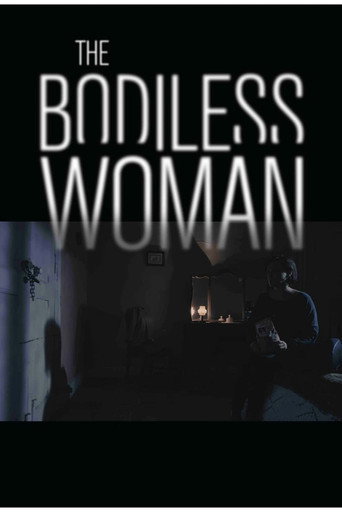
The Bodiless Woman
The Bodiless Woman is an intervention film about the violence perpetuation and, above all, about the victim’s dignity and her deliverance.

The Beauty and the Paparazzo
Telenovela star Mariana is on the verge of a nervous breakdown: shooting is not going smoothly, her popularity is waning, and she is forever being hounded by paparazzi. Frustrated, Mariana can't find out who is responsible for these invasions of her privacy. It is the feared 'Paparazzo' Gabriela Santos, who's real name is Juan. One day, Juan and Mariana meet by chance and fall in love. Now Juan must do everything he can to prevent Mariana from discovering his true identity.
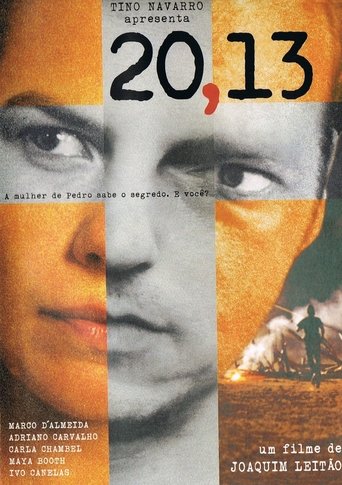
20.13: Purgatory
Mozambique, 1969. What was meant to be a peaceful Christmas Eve ends up badly as a group of soldiers brings home a prisoner that will be murdered. Simultaneously, the Capitan's wife arrives in surprise, bringing along a Priest, who is supposed to celebrate the mass.

Manô
Manô, an obscure and anonymous character from popular comedies of the 1920s, escapes the destruction of an old movie studio, materializing into the real world from a celluloid film. Manô tries to adapt and survive in present-day Lisbon, for which he is unprepared. Mariana, an unemployed photographer, meets Manô and tries to help him discover the reason for his return, despite Marco, a psychologist with little sense of humor, disliking this clumsy black-and-white character.
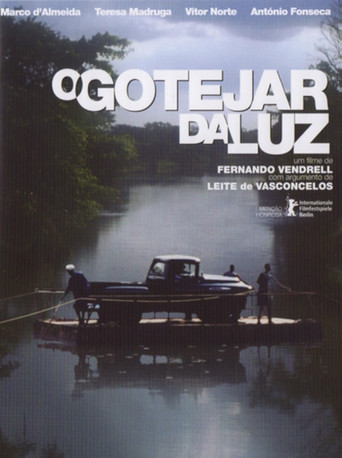
Light Drops
Rui was raised in Mozambique in a small village at the frontier of a mysterious river. Son of Portuguese colonists, his best friend is Ana, a black girl godchild of his mother. At fourteen he is confronted with the tragic destruction of his childhood and has to learn to recognize two distinct realities - the European and the African.
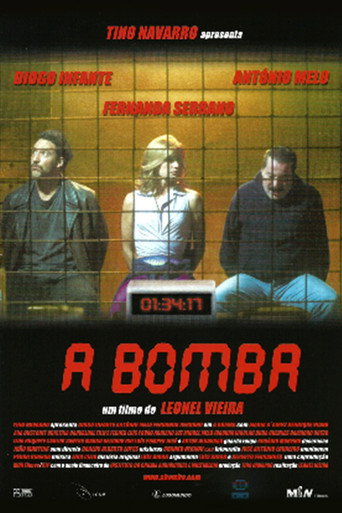
A Bomba
A group of innocent hostages is left to their own deaths facing a clockwork bomb, while the whole country watches them on the TV.
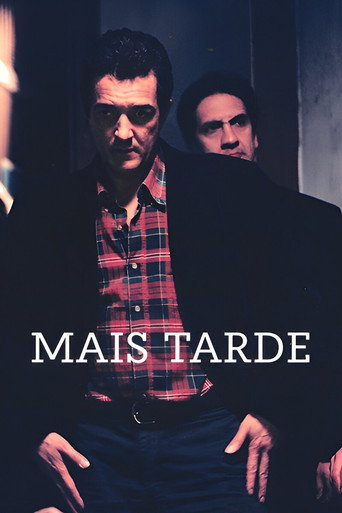
Mais Tarde
During the investigation of a case, Teresa Rubens, a judge with a long career, married and mother of children, finds in court, as a defense witness, a former lover of her student days, Sousa Afonso, who owns some lands in Alentejo.
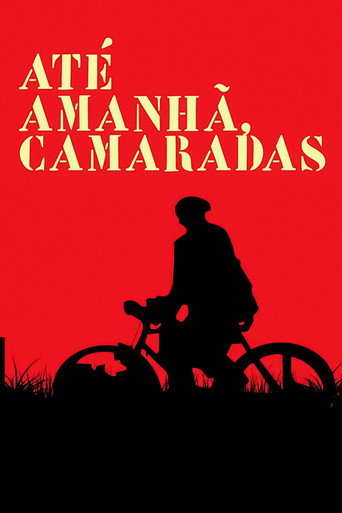
Until Tomorrow, Comrades
Portugal, 1944. In a country oppressed by a brutal dictatorship, there are those who resist and mobilize the people to fight for bread and freedom, even if it cost them prison, torture or their lives.
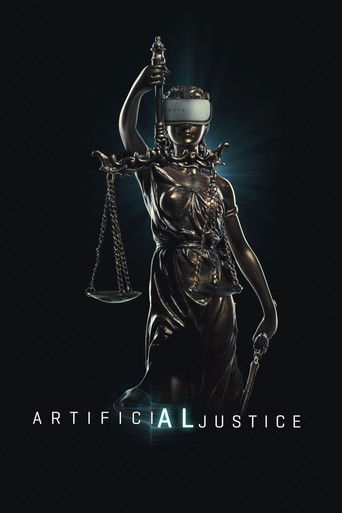
Artificial Justice
In the near future, the Government aims to replace judges with Artificial Intelligence software, pledging to effectively automate and depoliticize the justice system. Carmen Costa, a distinguished judge, has been invited to assess this new procedure. However, when the software’s creator is found dead, she realizes her life is in danger and that she will have to fight the powerful interests that are at play in the highest echelons of the State.
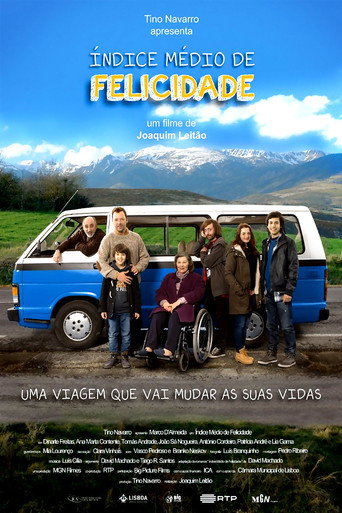
Índice Médio de Felicidade
Daniel had a plan, a sort of journal of the future, written in a notebook. Sometimes he went back to rectify small things, but still, life seemed pretty easy and happiness too. But, all of a sudden, everything changed for the worse: Portugal collapsed and Daniel lost his job. He couldn't afford to pay the mortgage for his house any more. His wife, also unemployed, left with his children, searching for better opportunities.
Gallery