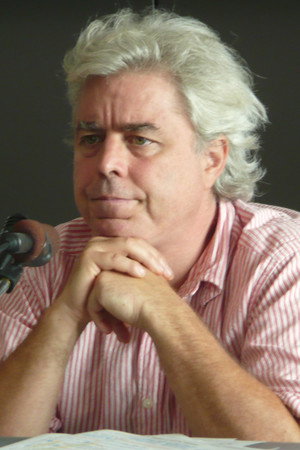
Marco Bechis Movies, TV Shows, and Filmography
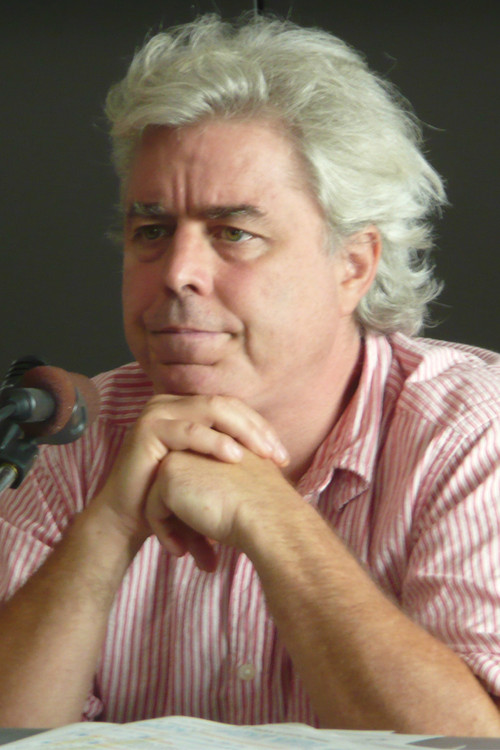
Marco Bechis
Directing
Biography
Marco Bechis (Santiago de Chile, Chile, October 24, 1955) is a Chilean-Italian screenwriter and film director. He is a survivor of the concentration camp “El Club Atlético”, where he was detained for 15 days in April 1977, during the Argentine military dictatorship. He was expelled to Italy, since he had a passport from that country. His film "Garage Olimpo", which talks about this dictatorship, was presented at the 1999 Cannes Film Festival.
Filmography Movies
Acting
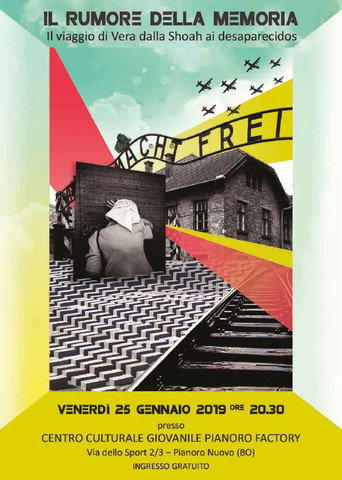
Il rumore della memoria
A documentary film that recounts the life of Vera Vigevani Jarach, through a firsthand account of two experiences that, over time and in different places, shaped her life, confronting her under two different dictatorships that made deportation and physical elimination commonplace: Nazism and Fascism and the Argentine dictatorship. The disappearance of her daughter Franca inspired Vera to become a founder of the Mothers of Plaza de Mayo and a "memory activist," touring Italy and Argentina to tell her two stories, ensuring that these horrors never happen again.
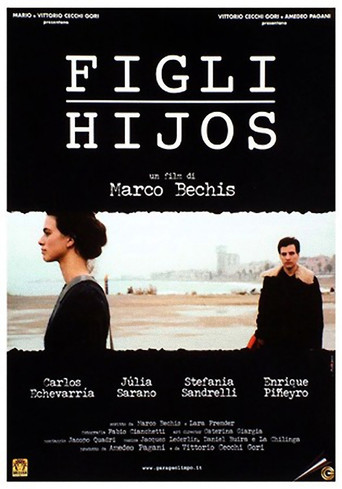
Sons And Daughters
We are in Argentina in 1977, a woman gives birth to twins. With the complicity of the midwife he manages to hide the child, second child. The first, a boy, is taken into custody by the regime's guards. The scene moves to the Milan of today. The young Rosa contacts Javier and tries to convince him that they are twin brothers, separated at birth. Thus, the two begin a journey to rediscover their origins and their past. A bitter reality is ready to overwhelm them ...
Production

Birdwatchers
Mato Grosso do Sul, Brazil, the present. When a young Guarani-Kaiowá woman commits suicide, Nádio leads his community to form a protest camp on the borders of a local farm that sits on their ancestral burial ground.
Garage Olimpo
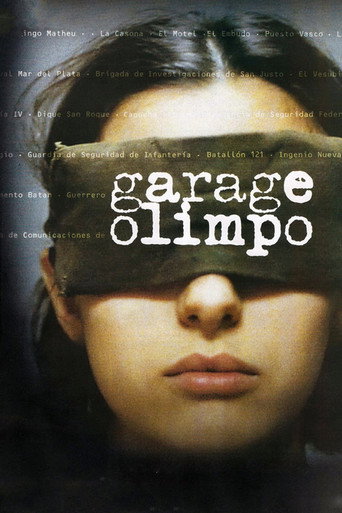
María is eighteen years old, she lives with her mother in an old house in Buenos Aires in 1978, subletting rooms and giving classes to poor illiterate adults. Suddenly she is abducted by a military squad and finds herself accused of subversion and submitted to torture in the hideous underground of the Garage Olimpo, while her mother desperately tries to find her.
Sons And Daughters
We are in Argentina in 1977, a woman gives birth to twins. With the complicity of the midwife he manages to hide the child, second child. The first, a boy, is taken into custody by the regime's guards. The scene moves to the Milan of today. The young Rosa contacts Javier and tries to convince him that they are twin brothers, separated at birth. Thus, the two begin a journey to rediscover their origins and their past. A bitter reality is ready to overwhelm them ...
Il rumore della memoria
A documentary film that recounts the life of Vera Vigevani Jarach, through a firsthand account of two experiences that, over time and in different places, shaped her life, confronting her under two different dictatorships that made deportation and physical elimination commonplace: Nazism and Fascism and the Argentine dictatorship. The disappearance of her daughter Franca inspired Vera to become a founder of the Mothers of Plaza de Mayo and a "memory activist," touring Italy and Argentina to tell her two stories, ensuring that these horrors never happen again.

Invisible World
An anthology film following different stories around the theme of invisibility in the modern world.
Barbed Wire
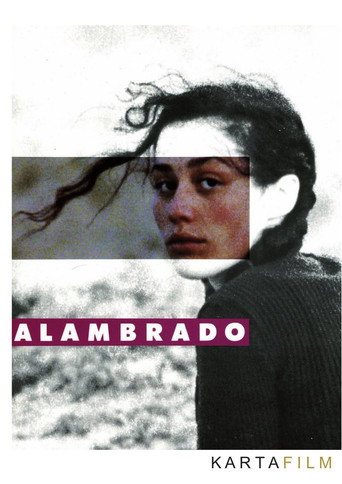
Harvey, an old man from Scotland lives with his young son and daughter in an isolated house in Patagonia. Upon arrival of the emissaries of a development corporation he promptly stands against them by building a large fence (alambrado). A debut rich with sensibility and violent physicality, an unusual film of wind, isolation, loneliness, desolation ... and madness.
Garage Olimpo
María is eighteen years old, she lives with her mother in an old house in Buenos Aires in 1978, subletting rooms and giving classes to poor illiterate adults. Suddenly she is abducted by a military squad and finds herself accused of subversion and submitted to torture in the hideous underground of the Garage Olimpo, while her mother desperately tries to find her.
Garage Olimpo
María is eighteen years old, she lives with her mother in an old house in Buenos Aires in 1978, subletting rooms and giving classes to poor illiterate adults. Suddenly she is abducted by a military squad and finds herself accused of subversion and submitted to torture in the hideous underground of the Garage Olimpo, while her mother desperately tries to find her.
Barbed Wire
Harvey, an old man from Scotland lives with his young son and daughter in an isolated house in Patagonia. Upon arrival of the emissaries of a development corporation he promptly stands against them by building a large fence (alambrado). A debut rich with sensibility and violent physicality, an unusual film of wind, isolation, loneliness, desolation ... and madness.
The Smile Of The Leader
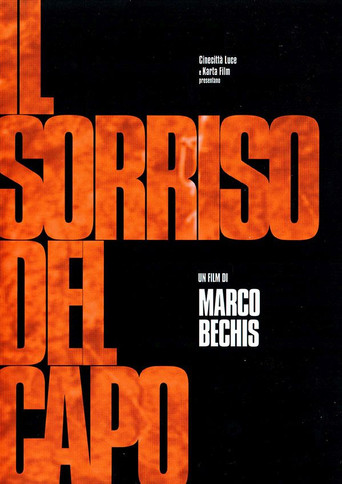
Using astounding footage from the Luce archives (newsreels, but also true films) Il sorriso del capo/The Smile of the Leader shows how propaganda works, presents everyday life in its most revealing details, and describes a country's "education". Marco Bechis explores the feeling of consensus: he tells us where it originates, what tools are used to spread it, how it is opposed. The thread running through the film is a voice, enigmatic until the end, narrating in the first person what it is like to grow up under fascism.
Gallery