Marcelo Romo Movies, TV Shows, and Filmography
Marcelo Romo
Acting
Biography
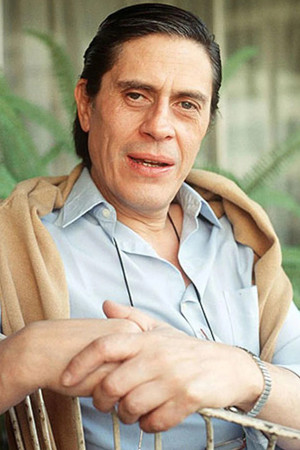
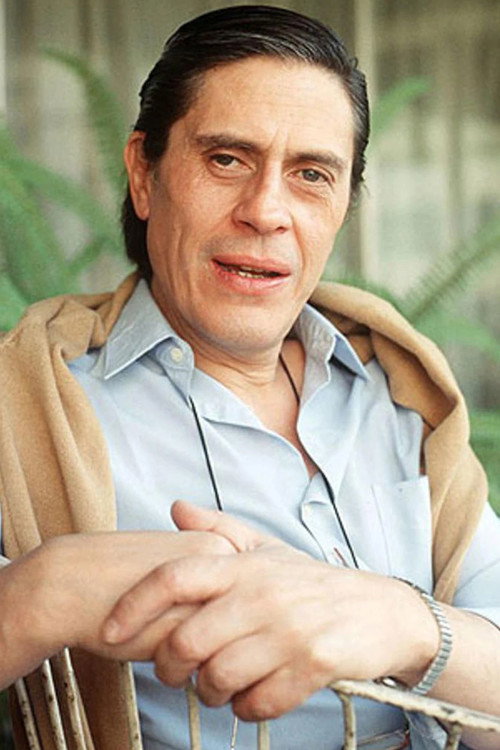
Marcelo Romo (Santiago, April 23, 1941 – January 23, 2018) was a renowned Chilean actor of film, theater, and television. Trained at the University of Chile’s School of Theater, he became one of the leading figures of Chilean acting from the 1960s onward. He made his film debut in El Chacal de Nahueltoro (1969) by Miguel Littín, playing a journalist —a landmark in Chilean cinema that marked the beginning of a prolific film career spanning over thirty titles. During the Pinochet dictatorship, Romo went into exile in Venezuela, where he continued his career in film, participating in movies such as La máxima felicidad (1982) and Señora Bolero (1991), as well as in theater, and television, later working also in Mexico and Colombia. He returned to Chile in the 1990s and became a familiar face in popular TV series such as Rojo y Miel, Sucupira, Estúpido Cupido, and Pecadores (his last television appearance, in 2003). A versatile and socially committed performer, Romo was admired for the emotional depth of his characters and his dedication to the arts. He spent his final years away from the public eye due to Alzheimer’s disease and passed away in Santiago in 2018, aged 76.
Filmography Movies
Acting
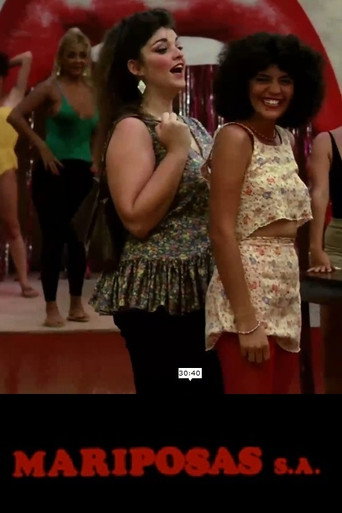
Mariposas S.A.
The story of seven prostitutes traveling in a truck, town to town, selling their show in local festivities inside an old circus tent. The authorities demand bribes in order to keep the order in town.
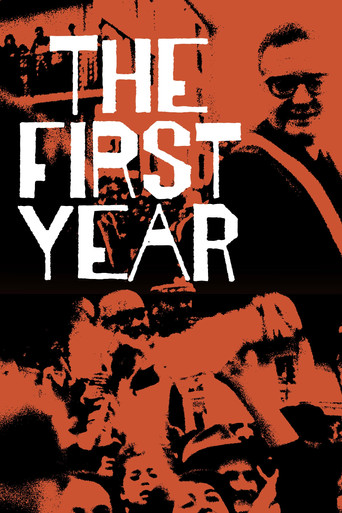
The First Year
The documentary narrates the events that took place during the first year of the Unidad Popular government, in chronological order.
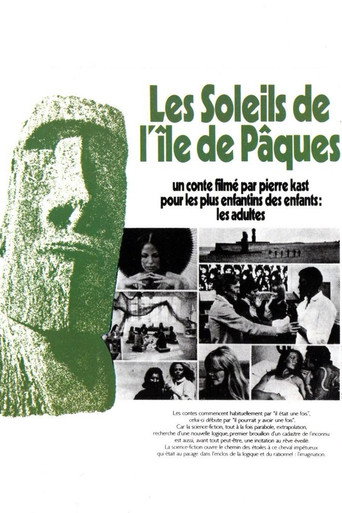
The Suns of Easter Island
Six people find a mysterious mark in the center of their left hand and all independently go to Easter Island in hopes to uncover the mystery.

Canaguaro
The murder of popular leader Jorge Eliécer Gaitán unleashes violence in the Colombian countryside. Guerrillas are formed that, behind the facade of partisan struggle, also fight for control of the land. Canaguaro commands one of these groups. Their story is the same as that of thousands of Colombians, survivors of attacks on their families. We learn about his life and that of his friends through the journey in search of weapons that the party has promised them and that will never be delivered to them. They are called to order and reconciliation and, finally, murdered.
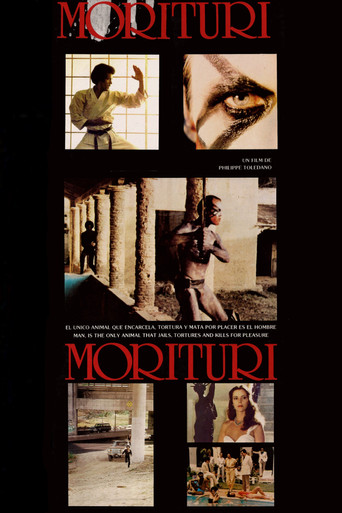
Morituri
An eccentric millionaire gives a party for his birthday. With his friends, gamblers and collectors , they play games in their own way. One of them, a woman, suggests this: since they're all gamblers they should play a fortune on the life of one of them.
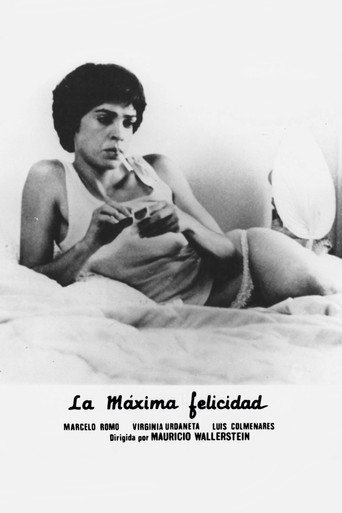
La máxima felicidad
Two men and a woman are about to experience living as a threesome, this process brings out of them their fears, some moral barriers must be dismantled before the complex process of understanding and accepting each other can succeed.
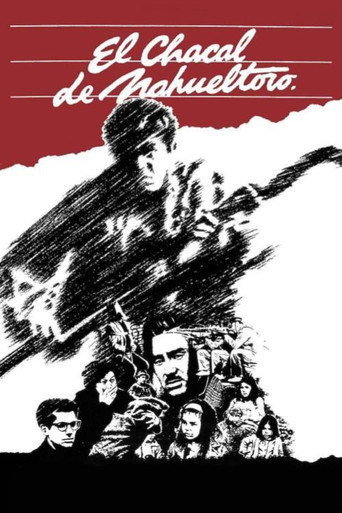
Jackal of Nahueltoro
Based on an actual murder case that ignited a furious debate over the death penalty in Chile in 1960, this experimental social drama portrays the life and death of an illiterate peasant who, while drunk, murdered the woman with whom he had a relationship and her five children.
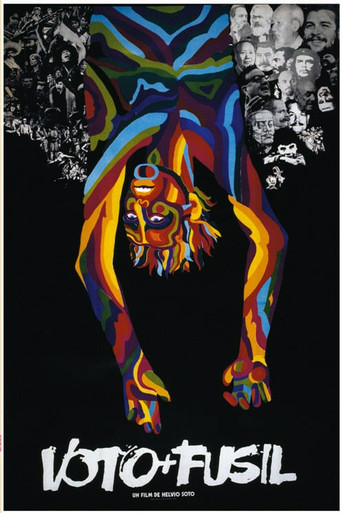
Voto + Fusil
The political evolution in Chile seeing from three different times: 1937, 1947 and 1970. A film that shows how a revolution cannot be accomplished by electoral means, and how the wealthy class will always attempt to destroy that revolution, with the help of the armed forces, as soon as their privileges are threatened.
The Perfect House
A woman's new house hides a sinister secret. Part of ITV Playhouse-S13E02
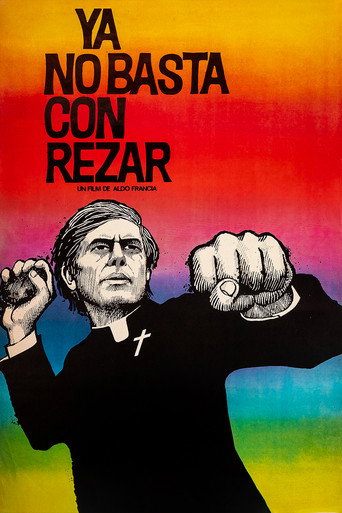
Enough Praying
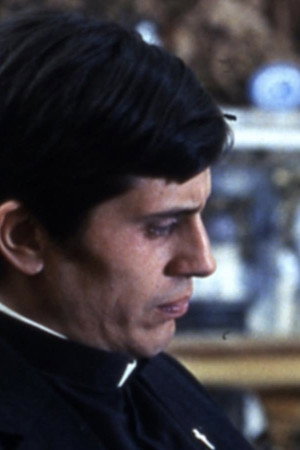
Many socially-concerned priests in Catholic Latin America have at some time left their parish churches to go and work in the fields and factories of the poor. Such priests, usually adherents of "liberation theology," are called "worker-priests." This Chilean film tells the story of how one man became a "worker-priest" and won the trust of the poor.
Gallery