Marcel Pagnol Movies, TV Shows, and Filmography
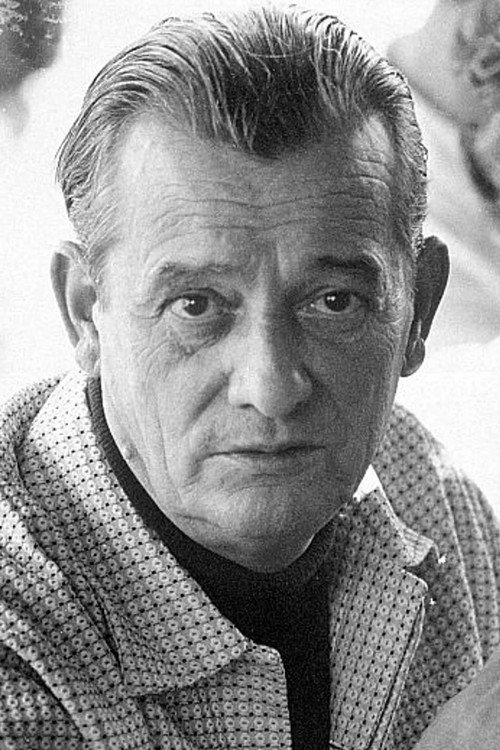
Marcel Pagnol
Writing
Biography
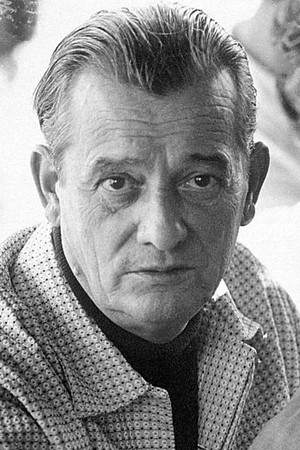
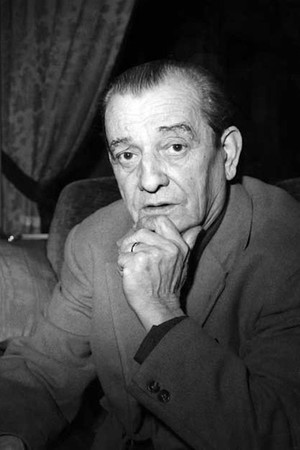
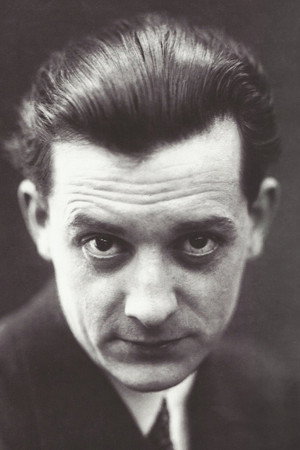
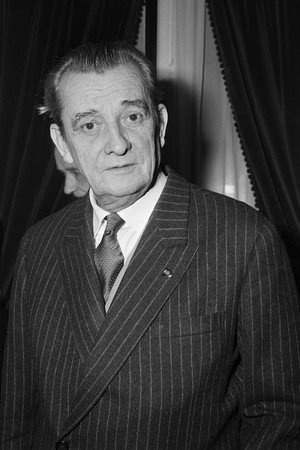
Marcel Paul Pagnol (28 February 1895 – 18 April 1974) was a French novelist, playwright, and filmmaker. Regarded as an auteur, in 1946, he became the first filmmaker elected to the Académie française. Although his work is less fashionable than it once was, Pagnol is still generally regarded as one of France's greatest 20th-century writers and is notable for the fact that he excelled in almost every medium—memoir, novel, drama and film. Pagnol was born on 28 February 1895 in Aubagne, Bouches-du-Rhône department, in southern France near Marseille, the eldest son of schoolteacher Joseph PagnolA and seamstress Augustine Lansot. Marcel Pagnol grew up in Marseille with his younger brothers Paul and René, and younger sister Germaine. In July 1904, the family rented the Bastide Neuve, – a house in the sleepy Provençal village of La Treille – for the summer holidays, the first of many spent in the hilly countryside between Aubagne and Marseille. About the same time, Augustine's health, which had never been robust, began to noticeably decline and on 16 June 1910 she succumbed to a chest infection ("mal de poitrine") and died, aged 36. Joseph remarried in 1912. In 1913, at the age of 18, Marcel passed his baccalaureate in philosophy and started studying literature at the University in Aix-en-Provence. When World War I broke out, he was called up into the infantry at Nice but in January 1915 he was discharged because of his poor constitution ("faiblesse de constitution"). On 2 March 1916, he married Simone Colin in Marseille and in November graduated in English. He became an English teacher, teaching in various local colleges and at a lycée in Marseille. In 1922, he moved to Paris, where he taught English until 1927, when he decided instead to devote his life to playwriting. During this time, he belonged to a group of young writers, in collaboration with one of whom, Paul Nivoix, he wrote the play, Merchants of Glory, which was produced in 1924. This was followed, in 1928, by Topaze, a satire based on ambition. Exiled in Paris, he returned nostalgically to his Provençal roots, taking this as his setting for his play Marius, which later became the first of his works to be adapted into a film in 1931. Separated from Simone Collin since 1926 (though not divorced until 1941), he formed a relationship with the young English dancer Kitty Murphy. Their son Jacques Pagnol was born on 24 September 1930. (Jacques later became his father's assistant and subsequently a cameraman for France 3 Marseille.) In 1929, on a visit to London, Pagnol attended a screening of one of the first talking films and he was so impressed that he decided to devote his efforts to cinema. He contacted Paramount Picture studios and suggested adapting his play Marius for cinema. This was directed by Alexander Korda and released on 10 October 1931. It became one of the first successful French-language talking films. ... Source: Article "Marcel Pagnol" from Wikipedia in English, licensed under CC-BY-SA 3.0.
Filmography Movies
Acting
Marcel Pagnol
The life and works of Marcel Pagnol, shown through the countryside from which he gained his inspiration, and the people he knew.

Les Rois de la comédie
At the end of the 1950s, four humor specialists simultaneously experienced recognition. Fernandel with “The Cow and the Prisoner”, Bourvil with “The Hunchback”, Jacques Tati with “My Uncle” and Louis de Funès with “Oscar” at the theater. On the big screen or on stage, each of these artists has a unique style of humor. They are the kings of French comedy. But how did they manage to become true box office champions? How did they experience their immense popularity? How do they still influence the comedy genre? And above all, are- are they funny in life? Where is the line between their character in the cinema and their real personality?

Les Trésors de Marcel Pagnol
The works of Marcel Pagnol are a veritable monument of French cultural heritage. Based on previously unseen archive material, film extracts, novels, plays, interviews and letters, the film pays tribute to the major author and popular filmmaker, who made his life a work and his work a life's project.
Production
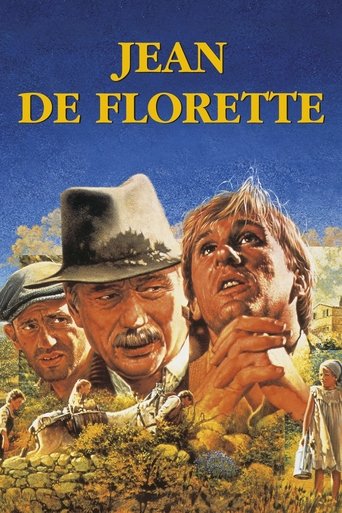
Jean de Florette
In a rural French village, an old man and his only remaining relative cast their covetous eyes on an adjoining vacant property. They need its spring water for growing their flowers, and are dismayed to hear that the man who has inherited it is moving in. They block up the spring and watch as their new neighbour tries to keep his crops watered from wells far afield through the hot summer. Though they see his desperate efforts are breaking his health and his wife and daughter's hearts, they think only of getting the water.
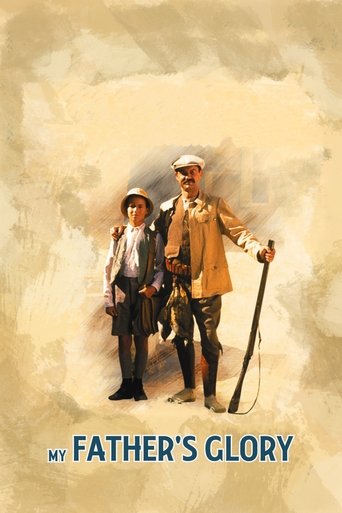
My Father's Glory
Raised by his science teacher father, Joseph Pagnol, and seamstress mother Augustine, young Marcel grows up during the turn of the century in awe of his rationalist dad. When the family takes a summer vacation in the countryside, Marcel becomes friends with Lili, who teaches him about rural life.
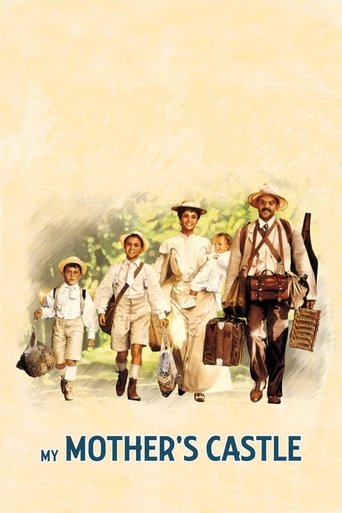
My Mother's Castle
To his chagrin, young Marcel Pagnol and his family move back to their home in Marseille, France, far from their pastoral holiday cottage in the hills. Determined, Marcel makes the long voyage back to the cottage on foot and lands himself in trouble. One day Marcel's father discovers a shortcut to the cottage, but it requires trespassing. Despite their trepidations, Marcel and his family begin using the secret trail to reach their cottage.
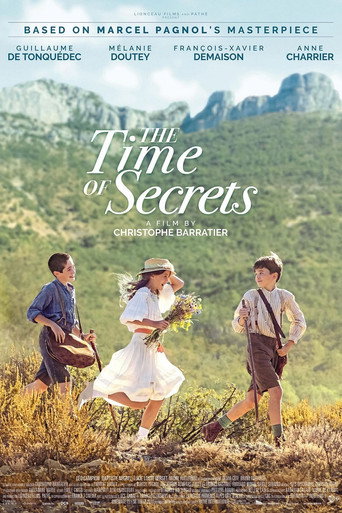
The Time of Secrets
Marseille, July 1905. Nearly a teenager, Marcel Pagnol embarks in his last summer vacation before high school and returns, at last, to his beloved hills in Provence. What begins as a summer of boyhood adventures becomes one of the first loves, and unearthed secrets.
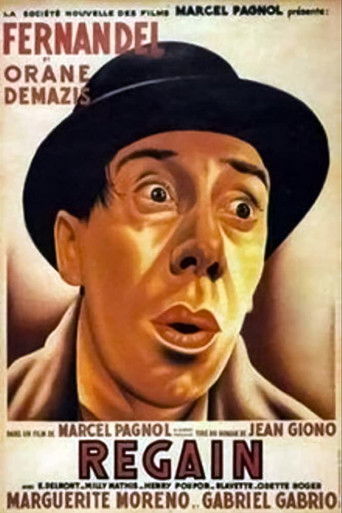
Harvest
In the 30s, a small village in the Provence is losing its inhabitants because young people prefer to go to the city to find easy jobs and escape from being farmers living in relative poverty. Only a few old people and the poacher Panturle remain. Panturle dreams of bringing the village back to life, finding a wife, founding a family and work as a farmer. One day, the village is visited by a traveling knife-grinder, Urbain Gedemus and a young woman, Arsule. Gedemus treats Arsule like a slave, but Arsule accept this because she has nowhere to go and -we guess- her 'work' with Gedemus is the last thing that saves her from being a prostitute. When she meets Panturle and knows about his dreams, she escapes from Gedemus and decides to stay with him. Together, they start a new life, made of hard farming work but mostly of happiness to have each other, fulfilling the earlier dreams of Panturle. Can anything break the happiness of their new life?
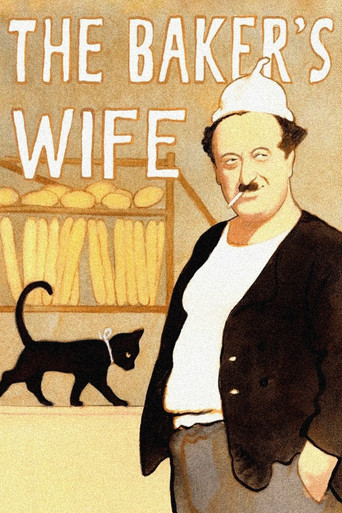
The Baker's Wife
In this little Provencal village, a new baker, Aimable, settles down. His wife Aurelie is beautiful and much younger than he. She departs with a shepherd the night after Aimable produces his first breads. Aimable is so afflicted that he can not work anymore. Therefore, the villagers, who initially laughed at his cuckoldry, take the matter very seriously (they want the bread) and organize a plan to find Aurelie and to bring her back to the bakery.
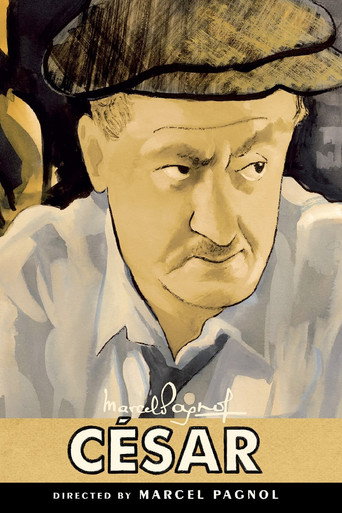
César
Leaping forward twenty years, the trilogy continues with the death of Fanny's husband, Panisse, and the discovery of her secret by her son, Césariot. The young man resolves to track down his biological father, Marius, whose life has been fraught with calamity and poverty.
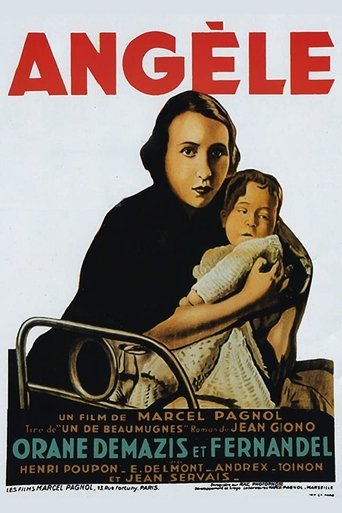
Angele
Angèle is a 1934 French drama film directed, produced and written by Marcel Pagnol. It stars Orane Demazis as a naive young woman who is seduced and abandoned. It is based on the novel Un de Baumugnes by Jean Giono.
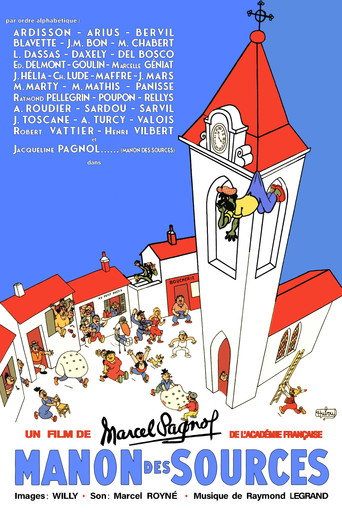
Manon of the Spring
Marcel Pagnol's adaptation of his own novel Manon des sources, the story of a shepherdess who exacts her revenge on the townsfolk she blames for killing her father, in two parts: Manon des sources and Ugolin.
The Baker's Wife
In this little Provencal village, a new baker, Aimable, settles down. His wife Aurelie is beautiful and much younger than he. She departs with a shepherd the night after Aimable produces his first breads. Aimable is so afflicted that he can not work anymore. Therefore, the villagers, who initially laughed at his cuckoldry, take the matter very seriously (they want the bread) and organize a plan to find Aurelie and to bring her back to the bakery.
Gallery