Mansour Rahbani Movies, TV Shows, and Filmography
Mansour Rahbani
Writing
Biography
No biography available.
Filmography Movies
Acting
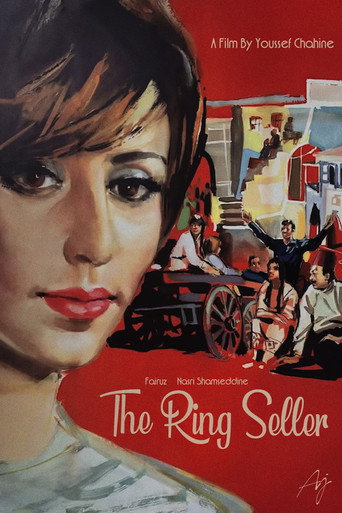
The Ring Seller
In a peaceful village, the mayor, seeing that the population is bored with tranquility, invents the mystical figure of Rajeh, and tells stories to villagers about the exploits of Rajeh, who kills and maims and steals. One day the mayor tells the villagers that Rajeh is heading to the village itself and they better be careful. Two smart men notice that the mayor was lying and that it is all his imagination. So they go on making good on the fictitious person and steal money and assault the mayor in the dark saying that they were Rajeh. Eventually, an old man with the name of Rajeh arrives in the village, amid public fears. Then it became obvious that Rajeh was merely a seller of rings for weddings and he wanted to marry his son to Rima, the mayor's niece. The two bad guys willingly go to jail for making use of the mayor's joke.
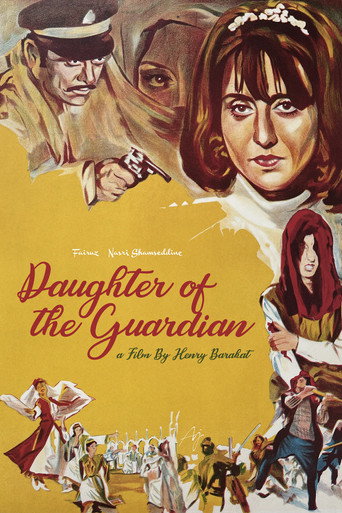
Daughter of the Guardian
Chaos erupts in a village after a series of burglaries take place, prompting Najma, the daughter of a guard, to think of a solution. She disguises herself as a man and becomes the village vigilante.
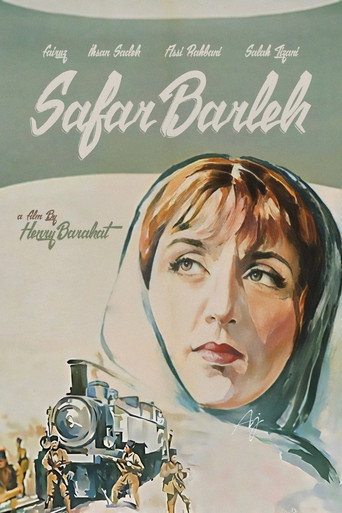
Safar Barlek
The film is set around 1914 when Lebanon was under the Ottoman Empire rule. The empire enslaved men to work for free. Abdou goes to get Adla the engagement ring but he's arrested with others and are taken to cut lumber. Meanwhile the Ottomans prevent the wheat from arriving to certain villages because they want to defuse the ongoing resistance operations led by Abou Ahmed. Adla travels to where some say Abdou is held prisoner and she meets with Abou Ahmed. She along other villagers start helping the resistance get the wheat to the people. When they accomplish their mission, Abou Ahmed, freed Abdou and others escape because now they're wanted, but on a promise to return and to continue fighting.
Production
Safar Barlek
The film is set around 1914 when Lebanon was under the Ottoman Empire rule. The empire enslaved men to work for free. Abdou goes to get Adla the engagement ring but he's arrested with others and are taken to cut lumber. Meanwhile the Ottomans prevent the wheat from arriving to certain villages because they want to defuse the ongoing resistance operations led by Abou Ahmed. Adla travels to where some say Abdou is held prisoner and she meets with Abou Ahmed. She along other villagers start helping the resistance get the wheat to the people. When they accomplish their mission, Abou Ahmed, freed Abdou and others escape because now they're wanted, but on a promise to return and to continue fighting.
The Person
Directed by : Galal El Sharkawy
The Person
Directed by : Galal El Sharkawy
Daughter of the Guardian
Chaos erupts in a village after a series of burglaries take place, prompting Najma, the daughter of a guard, to think of a solution. She disguises herself as a man and becomes the village vigilante.
The Ring Seller
In a peaceful village, the mayor, seeing that the population is bored with tranquility, invents the mystical figure of Rajeh, and tells stories to villagers about the exploits of Rajeh, who kills and maims and steals. One day the mayor tells the villagers that Rajeh is heading to the village itself and they better be careful. Two smart men notice that the mayor was lying and that it is all his imagination. So they go on making good on the fictitious person and steal money and assault the mayor in the dark saying that they were Rajeh. Eventually, an old man with the name of Rajeh arrives in the village, amid public fears. Then it became obvious that Rajeh was merely a seller of rings for weddings and he wanted to marry his son to Rima, the mayor's niece. The two bad guys willingly go to jail for making use of the mayor's joke.
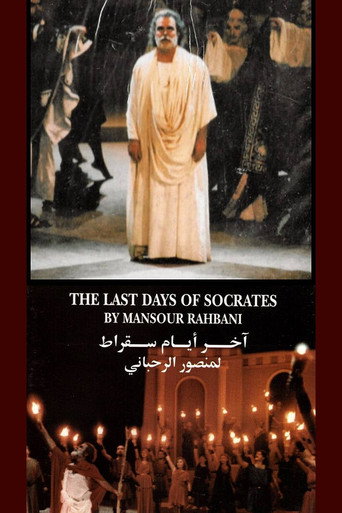
The Last Days Of Socrates
The play tells the story of Socrates, the father of philosophers and one of the founders of philosophy in history. It also tells the history of Athens, the city of thought, and the story of its resistance to the occupation of the city of Sparta.
Daughter of the Guardian
Chaos erupts in a village after a series of burglaries take place, prompting Najma, the daughter of a guard, to think of a solution. She disguises herself as a man and becomes the village vigilante.
The Ring Seller
In a peaceful village, the mayor, seeing that the population is bored with tranquility, invents the mystical figure of Rajeh, and tells stories to villagers about the exploits of Rajeh, who kills and maims and steals. One day the mayor tells the villagers that Rajeh is heading to the village itself and they better be careful. Two smart men notice that the mayor was lying and that it is all his imagination. So they go on making good on the fictitious person and steal money and assault the mayor in the dark saying that they were Rajeh. Eventually, an old man with the name of Rajeh arrives in the village, amid public fears. Then it became obvious that Rajeh was merely a seller of rings for weddings and he wanted to marry his son to Rima, the mayor's niece. The two bad guys willingly go to jail for making use of the mayor's joke.
Safar Barlek
The film is set around 1914 when Lebanon was under the Ottoman Empire rule. The empire enslaved men to work for free. Abdou goes to get Adla the engagement ring but he's arrested with others and are taken to cut lumber. Meanwhile the Ottomans prevent the wheat from arriving to certain villages because they want to defuse the ongoing resistance operations led by Abou Ahmed. Adla travels to where some say Abdou is held prisoner and she meets with Abou Ahmed. She along other villagers start helping the resistance get the wheat to the people. When they accomplish their mission, Abou Ahmed, freed Abdou and others escape because now they're wanted, but on a promise to return and to continue fighting.
Nightbooks
Nightbooks, an old Lebanese lyric TV program, produced by Lebanon Television in 1971, presented by "Mrs. Fayrouz" on Lebanon TV screen with a group of leading Lebanese artists, composed and composed by "Rahbani Brothers". Presented by: Mrs. Fayrouz, Nasri Shams El Din, Hoda Haddad, Joseph Nassif, Elie Choueiri, Georgette Sayegh, Melhem Barakat, Antoine or Marwan Mahfouz, Nawal El-Kuk, Salah Tizani (Abu Salim), Abdullah Homsi (Asaad), Mahmoud Mabsut ( Fahman), Muhammad al-Sarraj, and the Lebanese Popular Group. It is directed by Antoine C. Remi.