Mani Kaul Movies, TV Shows, and Filmography
Mani Kaul
Directing
Biography
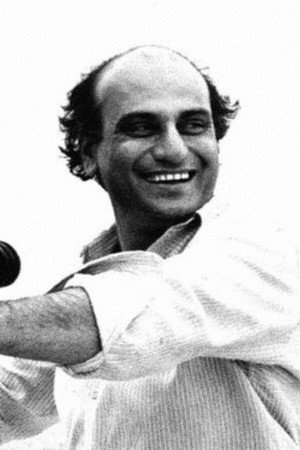
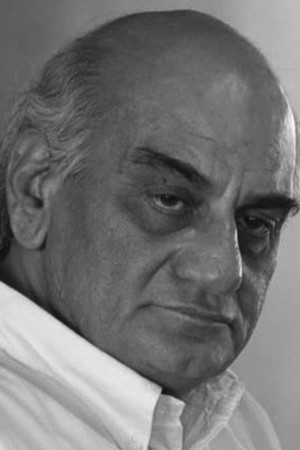
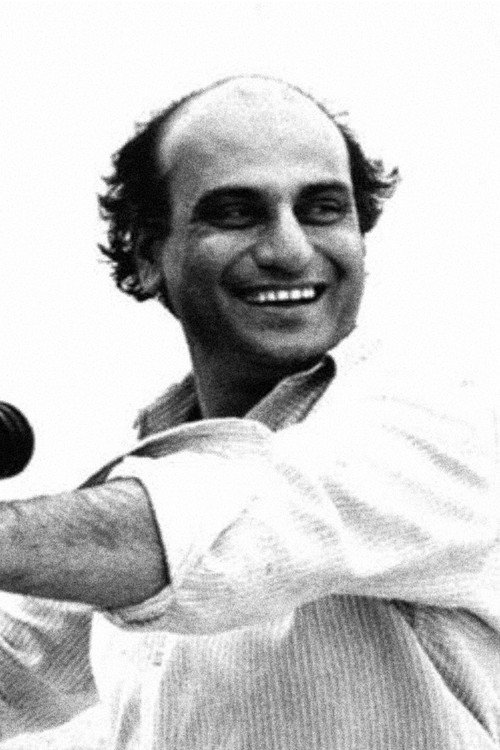
Mani Kaul (25 December 1944 – 6 July 2011) was an Indian director of Hindi films and a figure in Indian parallel cinema. He graduated from the Film and Television Institute of India (FTII) where he was a student of Ritwik Ghatak and later became a teacher. Starting his career with Uski Roti (1969), which won him the Filmfare Critics Award for Best Movie, he went on to win four of them in all. He won the National Film Award for Best Direction in 1974 for Duvidha and later the National Film Award for his documentary film Siddheshwari in 1989. Description above from the Wikipedia article Mani Kaul, licensed under CC-BY-SA, full list of contributors on Wikipedia.
Filmography Movies
Acting
In Search of Guru Dutt
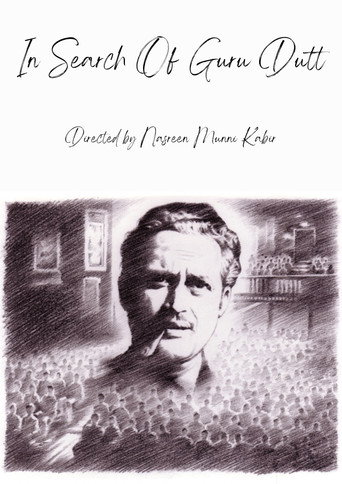
This documentary is a three-part tribute to director Guru Dutt, who died in 1964 at the age of 39. The work traces Guru Dutt's personal story through many interviews with his family members and colleagues and observes his work through the use of extensive film excerpts. The documentary was produced by the British television network Channel 4 producer Nasreen Munni Kabir.
Sara Akash
Samar wants to be successful in life but his parents force him to get married. His wife is shy and reserved and Samar does not like this. The other members in the family often ill-treat her.
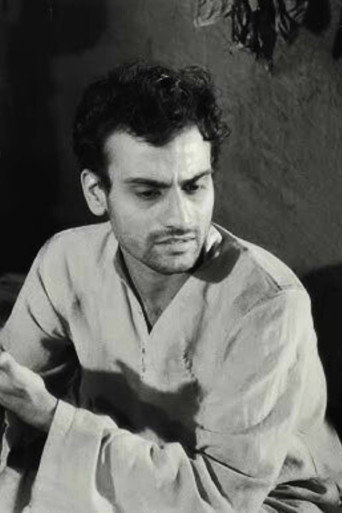
Light
Ramesh is a poorly paid employee in the city Power House. His only child has high temperature, but he mistakes it for common fever. At the Power House, employees including Ramesh demand a pay rise. When the management turns down this demand, they plot to turn off the main switch of the Power House for a few minutes in order to teach a lesson to authorities. Ramesh is entrusted with this job. In the meantime, the doctor takes the decision to immediately operate on Ramesh's child. Ramesh is not aware of this. In the Power House, Ramesh turns off the main switch. The lights go off in the operation theatre too...
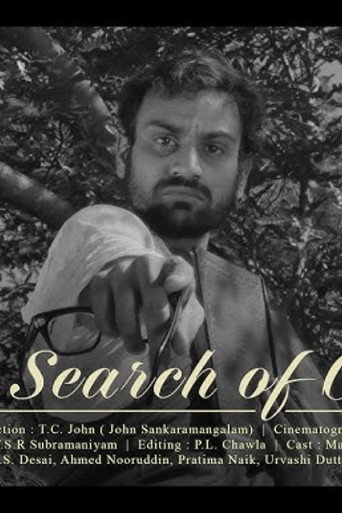
In Search of God
In this short, rather satirical film we meet various ill-assorted characters who are seeking their own individual ‘Gods’. The characters are a mad preacher, two drunkards, an old beggar, a little innocent boy and a withered demented woman. All of them are chasing a mirage of a supreme deity who will save them.

Yatrik
Mani Kaul's diploma film shot at Ajanta Caves
Production
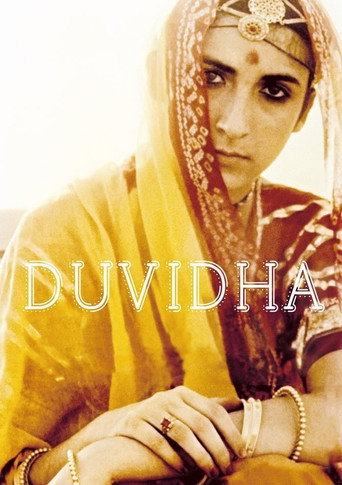
Duvidha
A newly-married merchant’s son is sent away for business. A ghost, who laid eyes on the bride, falls madly in love with her and takes the form of the husband and begins living with her.
Duvidha
A newly-married merchant’s son is sent away for business. A ghost, who laid eyes on the bride, falls madly in love with her and takes the form of the husband and begins living with her.
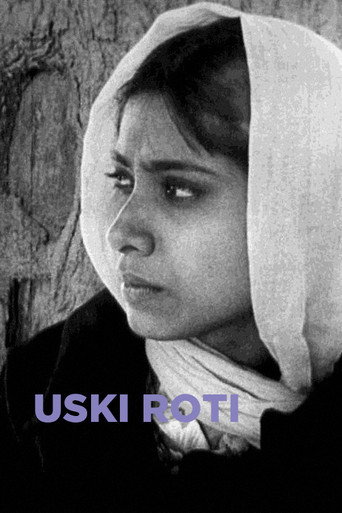
Uski Roti
The film depicts the life of a truck driver Sucha Singh and his wife Balo. Balo has to get Sucha Singh's food ready every day, walk a long distance through the fields and wait for him on the highway as he drives past the village. He leads an independent life, playing cards with his friends and spending time with his mistress, and comes home only once a week. However, he expects his wife to play the traditional role of a devoted wife. One day Balo gets late, trying to save her sister from the advances of a lecherous villager. Sucha Singh is angry, and drives away without his food. She decides to wait for him until nightfall.
Uski Roti
The film depicts the life of a truck driver Sucha Singh and his wife Balo. Balo has to get Sucha Singh's food ready every day, walk a long distance through the fields and wait for him on the highway as he drives past the village. He leads an independent life, playing cards with his friends and spending time with his mistress, and comes home only once a week. However, he expects his wife to play the traditional role of a devoted wife. One day Balo gets late, trying to save her sister from the advances of a lecherous villager. Sucha Singh is angry, and drives away without his food. She decides to wait for him until nightfall.
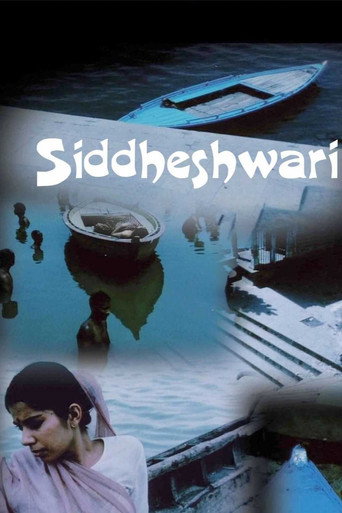
Siddheshwari
An impressionistic biographical look at Siddheshwari Devi (1908–1977), the classical Indian singer whose voice was appreciated by the maharajas and public alike.
Siddheshwari
An impressionistic biographical look at Siddheshwari Devi (1908–1977), the classical Indian singer whose voice was appreciated by the maharajas and public alike.

Dhrupad
A documentary story told through images, poetry and the Dhrupad, a vocal genre in Hindustani classical music, said to be the oldest still in use in that musical tradition.
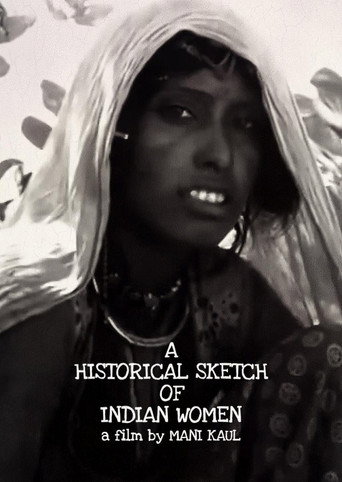
The Indian Woman - An Historical Assessment
Unpaid... overworked... a woman at home.... mother ! How muchdoes her labour cost ? Raising such a questions, this film fathomshistory - of matriarchy and patriarchy, of morality, of oppressiveanti-woman modes.
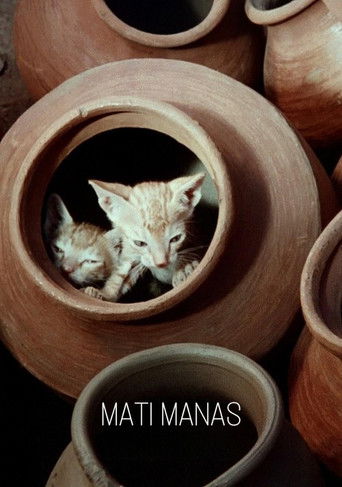
Mati Manas
In a poetic hour and a half, director Mani Kaul looks at the ancient art of making pottery from a wide variety of perspectives.
Naukar Ki Kameez
This film suggests a network of hierarchical relations between people through sometimes subtle and at other times blunt illustrations.
Gallery