Manfred Zetzsche Movies, TV Shows, and Filmography
Manfred Zetzsche
Acting
Biography
No biography available.
Filmography Movies
Acting
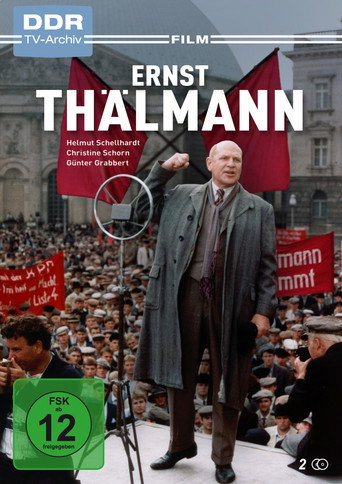
Ernst Thälmann
This elaborate two-part television film features a section from the life of communist worker leader Ernst Thälmann. It begins with the bloody riots on May 1, 1929 in Berlin, in which police officers shot at demonstrating workers, and ends with February 7, 1933, when Thälmann appeared as a speaker at the illegal meeting of the Central Committee of the Communist Party of Germany in goat neck. This period was marked by the struggle of the Communists against the ever stronger National Socialists and the rise of Adolf Hitler.
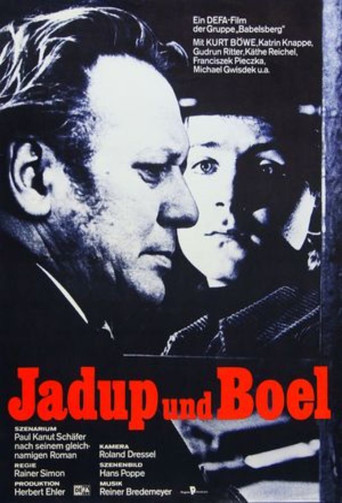
Jadup and Boel
In a small town, everyone has tried to forget what happened shortly after WWII. That is, until a stranger finds a book that Jadup (Kurt Böwe) gave to the young refugee Boel (Katrin Knappe), who resettled in the town over 30 years ago. Painful memories about Boel and the post-war period begin to surface and shake up the whole town. Boel vanished back then and nobody knew why. Word spread about a rape and some tried to blame a Russian soldier. Jadup, the town's respected and popular mayor, remembers, though, how he mistrusted Boel and did not help her through this difficult time; HE didn't even notice THAT Boel loved him. Jadup's confrontation with the past gives him a new, critical view of his current situation and surroundings.
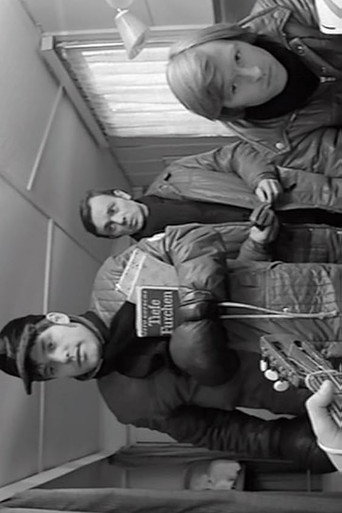
Alarm am See
University ice-sailing trainees face a hostel fire when caretaker Krenzel rescues Captain Klaus’s swapped suitcase, barring him from travel due to a stolen Hogarth print inside. X-rays reveal a hidden engraving; detectives Hübner and Lindt expose forger Sander and Krenzel. After Krenzel’s sabotage fails and both are arrested, Klaus is exonerated and rejoins his team for the international regatta.

Abenteuer mit Blasius
Ten-year-old Frantisek is traveling to Leipzig to visit his German friend Egon. On the train, he shares the compartment with three men. One of them, the bearded, hefty Blasius is polite but at times acts very confused. At the end station the two boys meet, but they must first of all get rid of Blasius, who lifts them up together with their luggage and carries them away. Leipzig is packed with tourists who have gathered for the famous Fair. The eccentric bearded fellow deals effectively with the traffic jam in front of the station. Blasius's fellow travelers from the train - inventors Prantl and Pirwitz, are at the fairground, boasting of their new invention and claiming it to be the greatest surprise of the entire Fair.
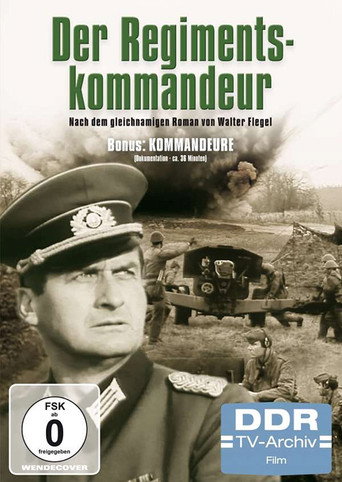
Der Regimentskommandeur
Major Bert Harkus takes over the artillery regiment in Jesnack after graduating from the military academy. The troop proudly presents itself during an exercise. But apart from some good results in shooting, Harkus soon realizes that there are a few problems. As he does not believe that constant combat readiness is guaranteed, he orders far-reaching changes and does not only make friends. Only gradually do the troops pull themselves together.
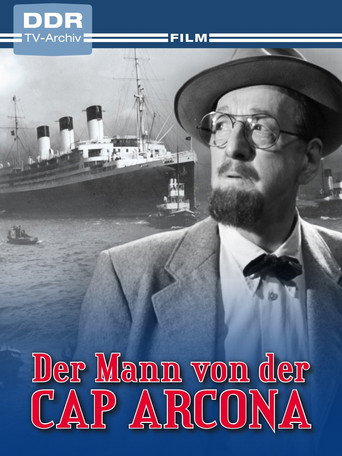
Der Mann von der Cap Arcona
1982: East German actor Erwin Gregorek travels to Hamburg to shoot screen tests for a film about the sinking of the ocean-liner Cap Arcona in 1945 - a catastrophe he himself survived as a concentration camp prisoner.
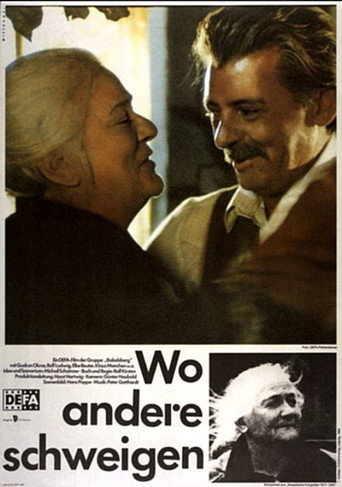
Where Others Keep Silent
Ten days in the life of socialist politician Clara Zetkin. In August 1932, she is summoned from Archangelskoje near Moskow to open the new legislative session because at seventy-five, she is the oldest representative in the German Reichstag. Although she is ill and almost blind, she see this as her chance to make her voice heard amid the growing Nazi influence in Germany.

Susan, Dear Susan
Suse works as a truck driver on a major construction site. The young woman has a hard life behind her. She was foundling, was raised by farmers. Manne, the father of her child, wanted to escape from the GDR and is in prison. After he is released, Manne wants to live again with Suse and their child together. But she rejects him as well as another worshiper. Suse is more interested in the Soviet engineer Boris, but apparently not for her, since he can never remember her at their chance encounters. But a much bigger problem - and a difficult one - is Suse, when she is offered to go to the Soviet Union for six months.
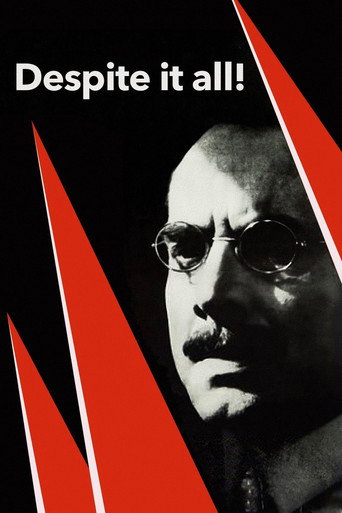
Despite It All!
October 1918: Karl Liebknecht is released from prison and Berlin workers celebrate his release. Although WWI is almost over, the German Kaiserreich in vain sends its last reserves to the slaughter. The working class is in a rebellious mood; the uprising of Kiel’s sailors against war and militarism sets off a call for revolution led by Liebknecht. On November 9, Liebknecht declares the Free Socialist Republic of Germany. But pro-Kaiser military and right wing Social Democrats oppose him.
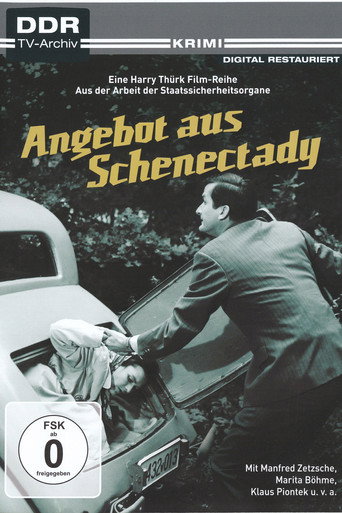
Angebot aus Schenectady
Dr. Grunert, electronics specialist from the GDR, gets a visit from an old acquaintance from war times. Both worked back then on navy torpedoes. His former colleague wants to poach Grunert – to Schenectady, the headquarters of the largest American electronics company. With alleged war crimes, he tries to blackmail Grunert, but quickly it becomes clear where the true criminals are sitting: In influential positions of the American industry. Grunert underestimates the scrupulousness of his opponent and invites him to a remotely located country home to clarify things. The Ministry for State Security is already on the trail of the matter and saves the engineer from a dangerous solo action.
Gallery