Malik Chibane Movies, TV Shows, and Filmography
Malik Chibane
Directing
Biography
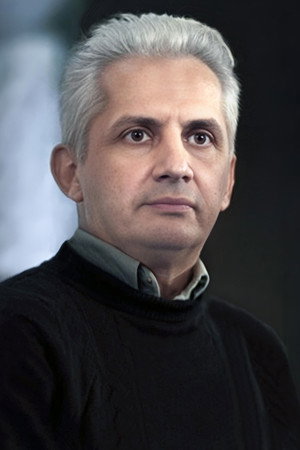
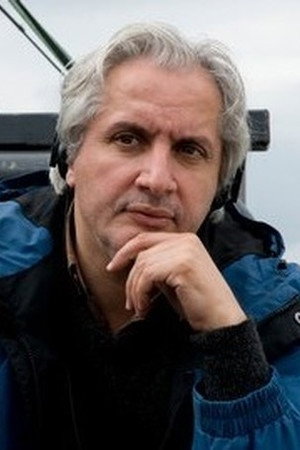
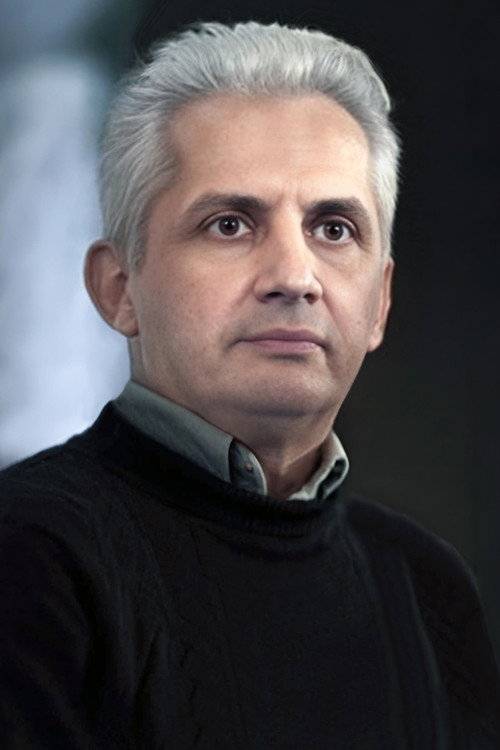
Born in Drôme, he was three years old when his parents moved to Goussainville. In 1985, he worked as a lighting designer at the Porte-Saint-Martin theatre. He received a cultural events organizer diploma for his activities within the association he founded, IDRISS. It was then that he wrote his first fiction, which he shot with few resources in 16 mm format, Hexagone, a film relating the life of an Arab immigrant family. The film was transferred to 35mm media with the help of grants and released in theaters in 1994. Malik Chibane continued his career by writing and directing Douce France (1995), Born somewhere (TV movie, 1997), Neighbours, neighbors (2005), Myriam's Choice (two-part TV movie, 2008).
Filmography Movies
Acting
Nés quelques part
Sarcelles. The TGV, broken down, takes a break at the city's RER station. A young passenger, music manager, has never set foot in the suburbs. This is an opportunity for him to go and study urban music.
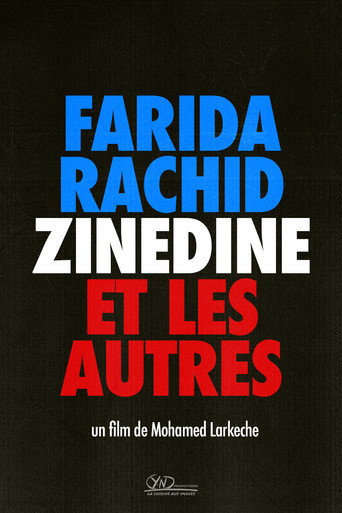
Farida, Rachid, Zinedine et les autres
Production
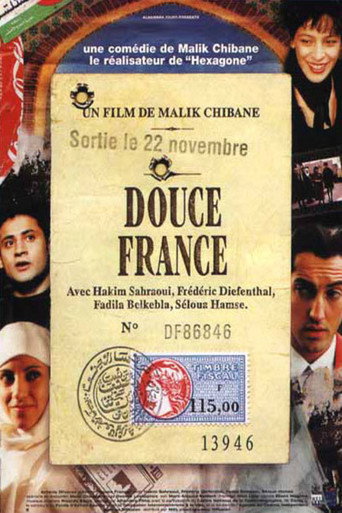
Douce France
In this French comedy, the young adult children of working-class Arab immigrants living in the projects of suburban Paris endeavor to find a suitable cultural identity. The story centers on four young men in their 20s: Farida, who tries to live according to family traditions; his rebellious sister Souad, who wants to be as Westernized as possible and works at a fast-food outlet; her ex-boyfriend, Jean Luc, who wants to be an immigrant lawyer; and his friend Moussa. The film is comprised of brief incidents from their lives.
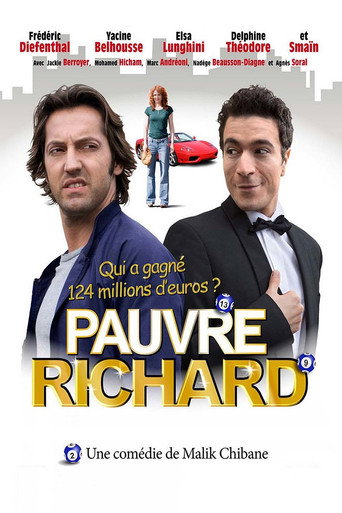
Poor Richard!
It is in a small popular district that the pot of the Eurogagnant, 124 million euros, is won - But who is the lucky winner?
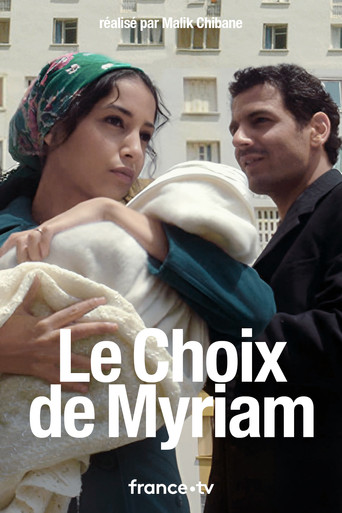
Myriam's choice
The arrival in France of the first generation of Algerian immigrants. In the early sixties, Kader, soon joined by his wife Myriam, tries to build a new life on French soil. Like many other couples, they soon find themselves torn between the dream of returning to their homeland and that of prospering in a land that is not always welcoming.
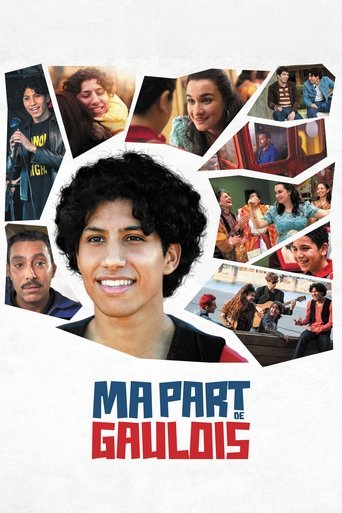
Ma part de Gaulois
It's the year of the baccalaureate for Magyd, a little Arab from rue Raphaël, northern districts of Toulouse. A formality for the French, a seismic event for the “native”. Just think, the first Arab ferry in the city. The end of a tunnel, the climax of a long standoff with fate, under the incessant loving pressure of the all-powerful mother and the jeering quelibets of the gang. Because it is not good to pass for an “intellectual” after school, in the periphery of “living together”; Magyd and his inseparable friends, Samir the activist and Momo the chat artist, experience it on a daily basis.
Ma part de Gaulois
It's the year of the baccalaureate for Magyd, a little Arab from rue Raphaël, northern districts of Toulouse. A formality for the French, a seismic event for the “native”. Just think, the first Arab ferry in the city. The end of a tunnel, the climax of a long standoff with fate, under the incessant loving pressure of the all-powerful mother and the jeering quelibets of the gang. Because it is not good to pass for an “intellectual” after school, in the periphery of “living together”; Magyd and his inseparable friends, Samir the activist and Momo the chat artist, experience it on a daily basis.
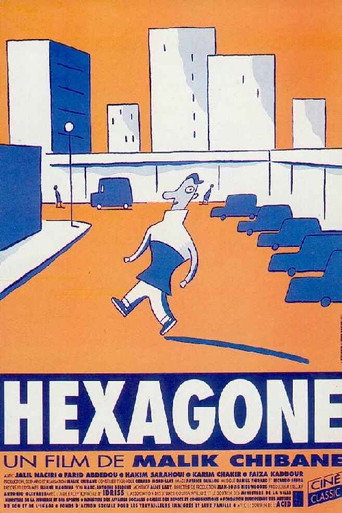
Hexagone
Hexagone, shot in the Parisian suburb of Goussainville, documents the life of a working-class banlieue through a fragmented, episodic narrative which interweaves the lives of a variety of characters, principally drawn from the Maghrebi community.
Myriam's choice
The arrival in France of the first generation of Algerian immigrants. In the early sixties, Kader, soon joined by his wife Myriam, tries to build a new life on French soil. Like many other couples, they soon find themselves torn between the dream of returning to their homeland and that of prospering in a land that is not always welcoming.
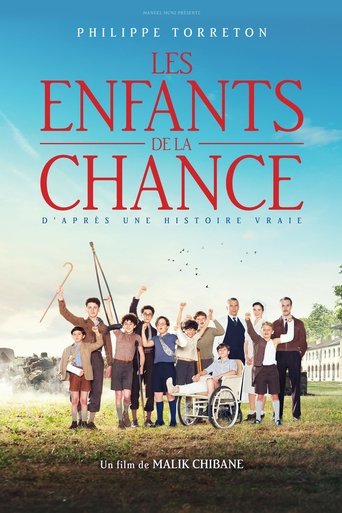
The Children of Chance
In the backdrop of the Nazi occupation of France, taken to the hospital for a broken leg from an accident, twelve-year-old Maurice Gutman is narrowly spared from the mass roundup that will take his family from him and leave them imprisoned in a distant death camp. At the hospital, Dr. Daviel diagnoses him with tuberculosis and imposes a long treatment, perhaps a humane ruse to prevent him from being deported. Over the course of two years, while living with the hospital staff, Maurice and eight other young boarders unforgettably experience friendship, solidarity and extraordinary courage. These are the children of luck.
The Children of Chance
In the backdrop of the Nazi occupation of France, taken to the hospital for a broken leg from an accident, twelve-year-old Maurice Gutman is narrowly spared from the mass roundup that will take his family from him and leave them imprisoned in a distant death camp. At the hospital, Dr. Daviel diagnoses him with tuberculosis and imposes a long treatment, perhaps a humane ruse to prevent him from being deported. Over the course of two years, while living with the hospital staff, Maurice and eight other young boarders unforgettably experience friendship, solidarity and extraordinary courage. These are the children of luck.
Nés quelques part
Sarcelles. The TGV, broken down, takes a break at the city's RER station. A young passenger, music manager, has never set foot in the suburbs. This is an opportunity for him to go and study urban music.
Gallery