Editing
No biography available.
The film "Kino diena" (Cinema Day) is a meeting with two documentary filmmakers and life partners, Ivars and Maija Seleckis, for "the length of a single film screening," reviewing the films they have made together and attempting to articulate the phenomenon of the Riga documentary film school and the essence of the documentary filmmaker's profession, which is difficult to express in words.
Zolitude is inhabited mainly by immigrants. An extremely denational environment, a disorderly everyday life, depressing standard type architecture - these are the problems faced by the film's characters.
Ten years have passed since we made the film “Crossroad Street”, about a small street in the suburbs of the city of Riga. Now we’ve come back. Perhaps it was a sense of duty, perhaps nostalgia that brought us back – who knows? Perhaps it was both. Daiga, Aldis, Osis – they’re all our people. The first film had an impact on both the filmmakers and the residents of Crossroad Street. We found friends whom we want to meet again and again. Society has become more prosperous, several value systems coexist side-by-side. People often live in these systems as though they were in different worlds that never meet. We felt that the world inhabited by our people is sinking into oblivion, and so we wanted to show that it still has its own turbulence, that Crossroad Street resembles Latvia’s palm – the place where a fortune teller can see the lines of its destiny.
She is young and beautiful. But a film portrait is more grateful to the life story of a person whose greatest works are already behind them... If the heroine of our film is so young, the most difficult path remains – to try to show how this star of the stage came to be. What was given by God and family, what was gained through the contradictions of Elīna Garanča's own soul and her passion for work.
Crossroad Street is a small street just 800 metres long on the outskirts of the Latvian capital, Riga. Its various inhabitants, each with his or her own destiny, daily life and relationships with the neighbours, form a microcosm of the country during the time of the Awakening. The genuine interest of the film's creators in the so-called average person earned a number of international awards, including a European Film Award for best documentary in 1989.
A documentary about farmers in Latvian countryside.
The story of rural people in 2004 - at the time when Latvia joined the European Union. A thorough study of the situation in rural Latvia over the course of the last thirty years, where the conflict between the familiar and the new, and desire and opportunity has fostered creative thinking in farmers looking to be masters of their own land. In the film we see a German farmer who bought property in Latvia; the head of a large parish; a family of young former citizens; eco lifestyle supporters - soybean growers, including an organic farm and its owner who takes a loan from a bank for the first time.
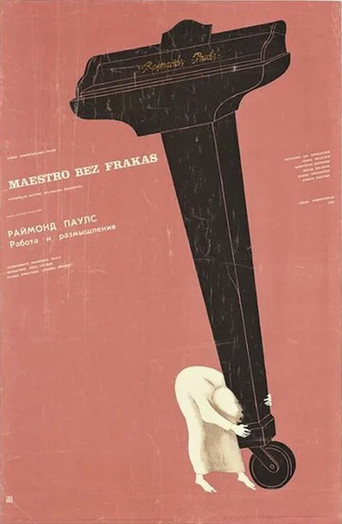
The composer Raimonds Pauls, the artist of the USSR People's Stage, shares his thoughts on life and work. The authors focus on the difficult daily work of a talented artist.
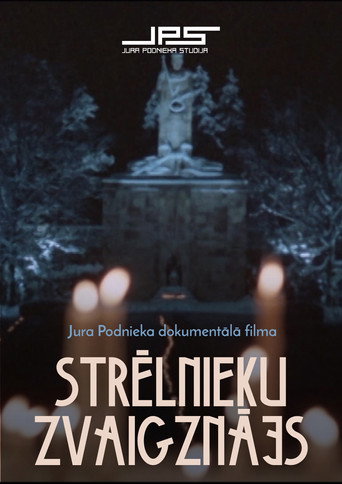
A collective portrait of the Latvian Red Riflemen is made up of memories told by the old men themselves. Unique and harsh are their destinies during the World War I and the revolution, at the opposite fronts of civil war, in 1930s. The victories of the Riflemen, their courage, confidence, pain and tragedy. The authors of the film have been able to save these tales from the relentless flow of time and make everyone realise the role of the Latvian Riflemen in history and nation.
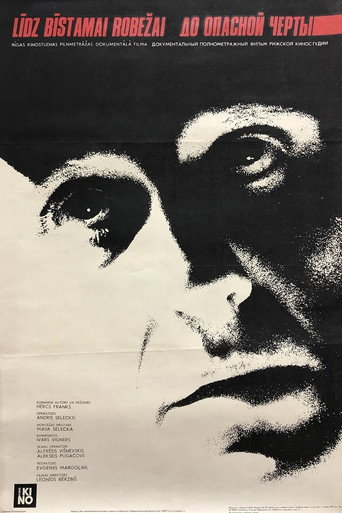
A documentary about the role of a victim in crime.