Mahmoud Qabil Movies, TV Shows, and Filmography

Mahmoud Qabil
Acting
Biography
Mahmoud Kabeel is an Egyptian actor born in Alexandria in 1946. Kabeel joined the military in 1964 and served as an officer until 1973. He fought in both the Six Day Way in 1967 and the War of Attrition in 1970. After leaving the military, he made his first acting appearance in Youssef Chahine's 1972 film "El Asfour" (The Sparrow) and continued to act in films in the next few years. In 1980, he moved to the United States where he started a citrus farming business with his brother. He returned to Egypt after fourteen years in the U.S., after which he began working as a counselor for young people. He returned to acting with "Darb Gaza" and "Lahm Rakhis" (Cheap Meat) about young girls traded off to rich Gulf suitors. His performance in the latter was well received. In 2003, Kabeel launched a TV series on girls' education and inheritance in Upper Egypt. That same year he was named a UNICEF Goodwill Ambassador, and has continued with UNICEF on various fundraising and awareness campaigns. Kabeel is well known for his television roles on "Ayna Qalbi" (Where is My Heart) and "Hawanem Garden City" (Ladies of Garden City). Like many Alexandrians, Kabeel speaks a number of languages, including English, Arabic, French, Hebrew and Italian fluently.
Filmography Movies
Acting
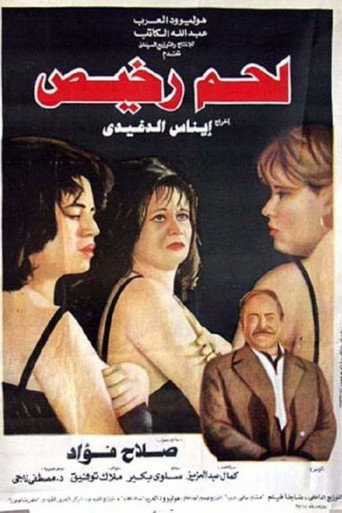
Cheap Flesh
The story of three girls, Iikhlas, Tawhida, and Nagfa, who live in the same village, going through the same tough circumstances. As they ask Master Mabrouk to help them find a job or get married, each of them faces a difficult life.
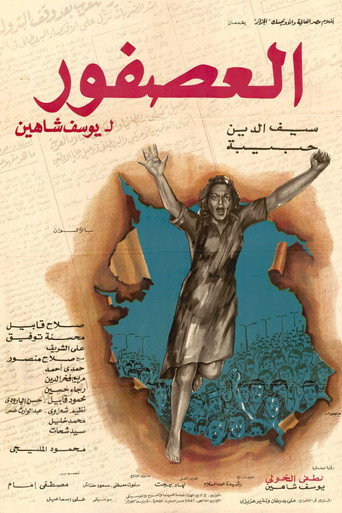
The Sparrow
Set shortly before and during the Six Day War in June of 1967, The Sparrow follows a young police officer stationed in a small village in Upper Egypt whose inhabitants suffer from the harassment of a corrupt businessman.
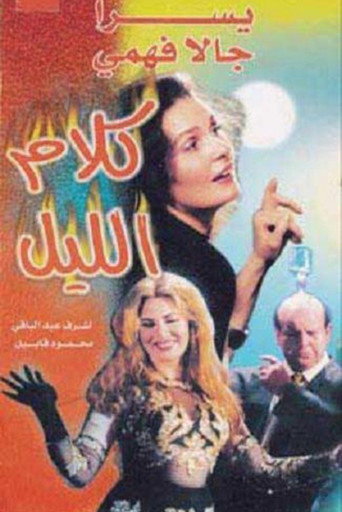
Night Chat
A police detective investigates an apartment in which suspicious businesses are taking place, so he disguises himself to work there and succeeds in identifying both those who frequent the apartment and those who run it.
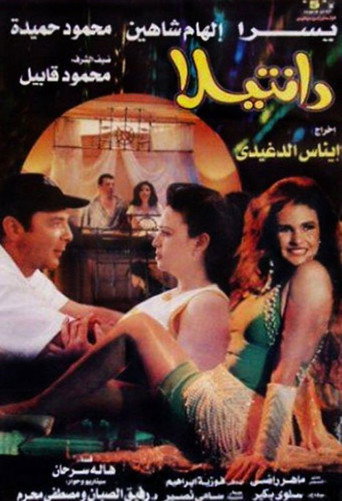
Dantela
Samar, a singer, and Mariam, a lawyer, are childhood friends. One day as she was driving, Samar hits a man and calls Mariam to come to the police station where she is being questioned by Hossam. The three of them are involved in a love triangle as both women try to win Hossam over.
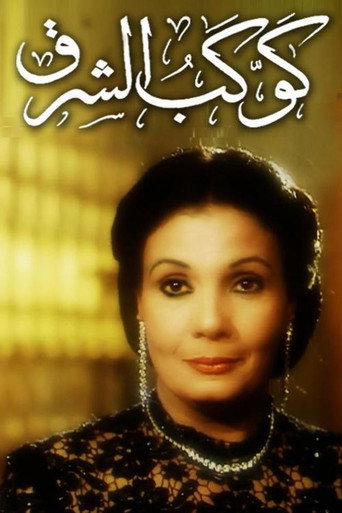
Star of the East
The film presents a part of the biography of legendary artist Umm Kulthum since 1944, shedding light on her unfinished romance like her relationship with King Sharif Sabri's uncle, and Ahmed Rami. And her role in the revolution of 1952 and after the defeat of 1967 and the sacrifices she made.
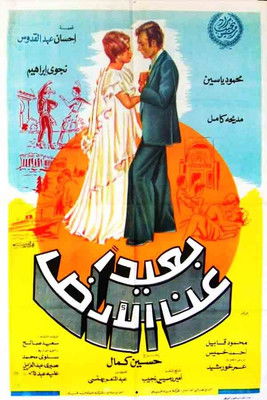
Away from Land
Nawal devotes her life to her scientific research and marries the engineer Adel. She meets his friends including Dr. Othman and his wife Souad. When she discovers that Adel and Souad are having an affair, she travels to her brother in Tunisia. On the ship, she meets Mahmoud and falls for him.
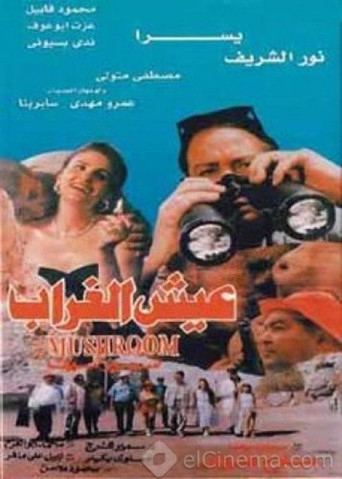
The Mushroom
Mustafa worked in the guard team of President Sadat at the time of his assassination, he becomes depressed and an alcoholic. His wife leaves him with their daughter and marries a businessman engaged in suspicious operations leading to the abduction of the daughter. So she turns to Mustafa to save her.
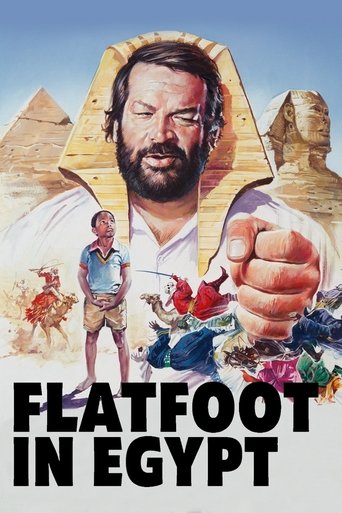
Flatfoot in Egypt
Inspector Rizzo and Marshal Caputo go to Egypt and look for Professor Cerullo, who is missing.

Happened on 2 Talaat Harb
Four stories take place in a furnished apartment that we follow through the doorman and his family who live on top of the building in a miserable room. In the first story, a doctor tries to treat a figure with a political position. In the second story, Hassan meets in the 1970s with his old friend Nadim, who comes from Lebanon during its Civil War. The third story takes place at the beginning of the new millennium and the takeover of businessmen. As for the fourth story, it takes place before January 2011 when Sami returns under pressure from his family to sell the apartment and the whole building.
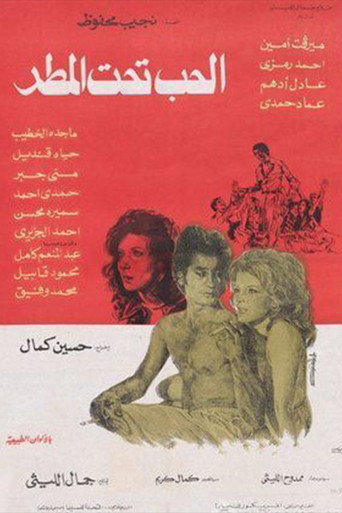
Hubb Taht al-Matar
A portrayal of the despair and confusion that gripped society after the June 1967 war, reflecting the collapse of values through intertwined characters from different backgrounds, each following their own path until their stories converge.
Gallery