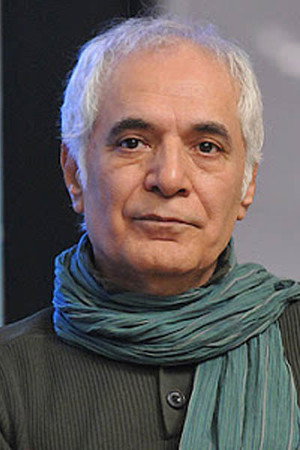
Mahmoud Kalari Movies, TV Shows, and Filmography
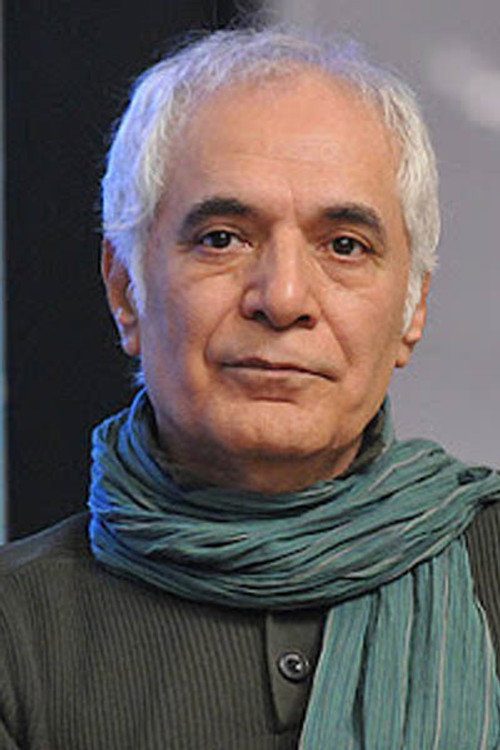
Mahmoud Kalari
Camera
Biography
Mahmoud Kalari (Persian: محمود کلاری; born in Tehran) is an Iranian cinematographer, screenwriter, film director, and photographer who has worked with number of renowned Iranian directors such as Abbas Kiarostami, Jafar Panahi, Asghar Farhadi, and Mohsen Makhmalbaf. After completing photography courses in the United States, he held his first photo exhibition titled "Visit with People Around Us" at Tehran University in 1976. A few years later he was employed by the Paris-based Sigma Photo News Agency and worked for them for four years. In 1980, he was ranked one of the '15 Best Photographers of the Year' by Time Magazine, and his photos could be seen in French, German, and American magazines. Kalari moved back to Iran and from 1982 to 1984 worked as the supervisor of the Tehran National TV Photography Unit. Kalari started his film career in 1984 as the cinematographer of Jadehay sard[1] (1985) (Frosty Roads) for which he won the Best Cinematography award at Tehran's Fajr International Film Festival. He has shot more than 65 films since then, including some of the most critically acclaimed and talked about movies in Iran and internationally. Among those are: Sorb[2] (1988) (winner of the best cinematography), Reyhaneh[3] (1995) (screened at San Sebastián International Film Festival), Time of Love (1990) (filmed in Turkey and screened at the Cannes Film Festival), From Karkheh to Rein (1990) (filmed in Germany and screened at the Hamburg and Mannheim Film Festivals), Sara (1992) (screened at the San Sebastián, New York City, Los Angeles, and Chicago Film Festivals), Salaam Cinema (1995) (screened at the Montréal, Toronto, Los Angeles, New York, and Cannes Film Festivals), Gabbeh (1996) (screened at Cannes, Montreal, Toronto, Vancouver, New York, Los Angeles and 21 other International Film Festivals around the world, winner of Best Cinematography at Fajr International Film Festival and winner of Fujifilm Motion Picture Award), Leila (1997) (screened at 7 international film festivals and the winner of the best cinematography at Fajr Film Festival), Derakhte Golabi[4] (1998) (winner of Silver Hugo at Chicago Film Festival and chosen as the Best Motion Picture Photography by the international jury of the Fajr Film Festival), The Wind Will Carry Us (1999) for which Kalari received nominations for Best Cinematography in the Main Competition of Plus CAMEIMAGE International Film Festival of the Art of Cinematography, and Offside (2006) (screened at the Berlin, New York, and AFI Film Festivals). Kalari's directorial debut was Abe-O Aftaab (1997) on which he was also the writer and cinematographer. It was screened at the Montreal and Chicago Film Festivals and won the Best Film award at Argentina's Mardel Plata Film Festival.
Filmography Movies
Acting
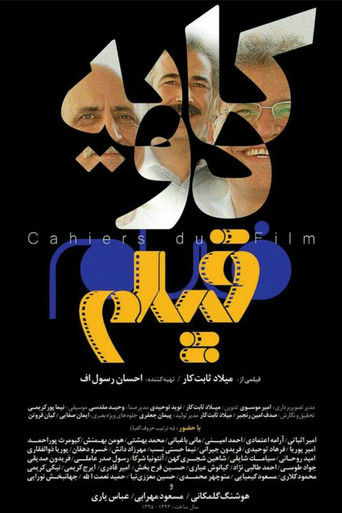
Cahiers du Film
Documentary about Film magazine. Film (Persian: فیلم) is an Iranian film review magazine published for more than 40 years (founded in 1982).
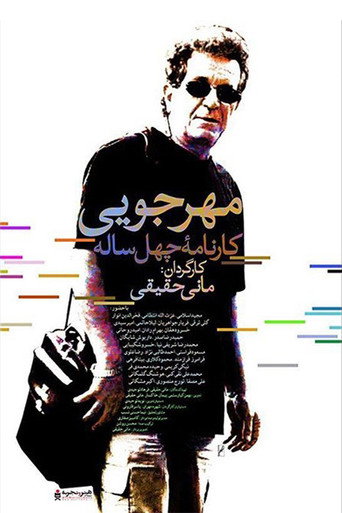
Mehrjui: The Forty-Year Report
Mehrjui: The Forty-Year Report dives into the artistic world of Iranian director Dariush Mehrjui. The film offers critical interpretations of his works from cinema experts, enriched with personal anecdotes from his peers.
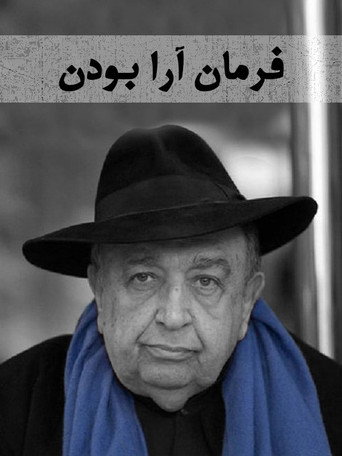
Being Farmanara
This documentary looks at different aspects of the life of Bahman Farmanara, the well known Iranian film director and producer.
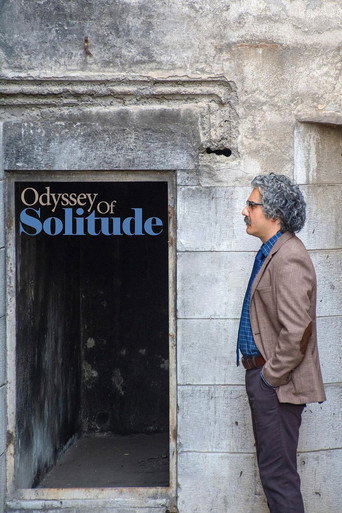
Odyssey of Solitude
Ahmad is a psychiatrist, believing in the treatment of the soul with the medicine in a positivistic and laboratorial way. But when his wife goes missing, he gets involved in his own delusions. Trying hard to find a trace of her, he goes to all of his friends. He desperately tries to act as a very democratic person, giving priority to his wife’s joy and pleasures. He is even willing to show that he would be happy if his wife marries one of his friends since he thinks the other one would be able to make her happier. But it seems that she’s notified that the matter of her happiness is absolutely not dependent on a “man”. Thus he sees that all his scientific beliefs are collapsed…
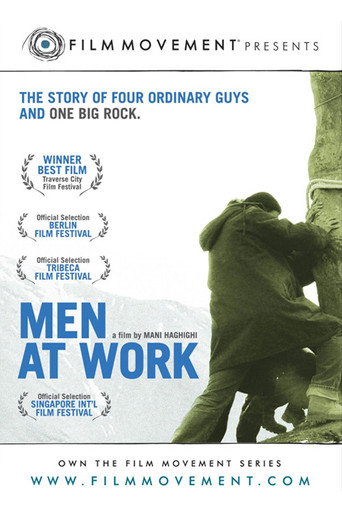
Men at Work
A political allegory on four middle-class guys who pile into their car for a ski weekend. A brief stop at a picturesque vista leads to their chance discovery of a prominent rock formation it seems would be oh so easy to tip over, but...
Cinema Iran
Tracing the history and influence of Iranian cinema and its filmmakers.
Production
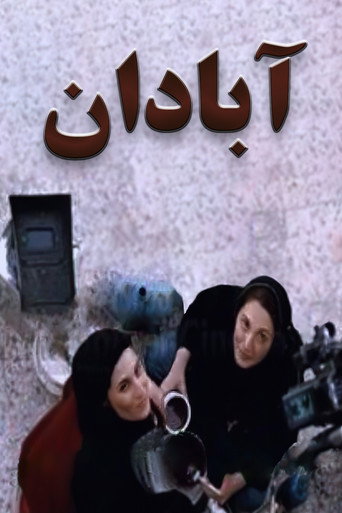
Abadan
An old Iranian man disappears while searching for a friend who's been dead ten years, so his agitated daughter enlists her estranged husband to look for him; the husband puts his foot down at first but soon finds himself cruising the streets of Tehran with his best friend, searching for the old rascal and cursing all the way.
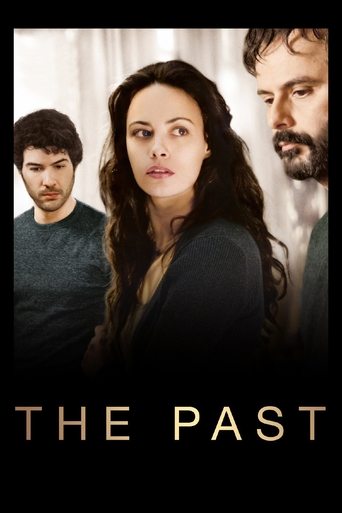
The Past
After four years apart, Ahmad returns to his wife Marie in Paris in order to progress their divorce. During his brief stay, he cannot help noticing the strained relationship between Marie and her daughter Lucie. As he attempts to improve matters between mother and daughter Ahmad unwittingly lifts the lid on a long buried secret...
Cinema Iran
Tracing the history and influence of Iranian cinema and its filmmakers.
Tickets
A train travels across Italy toward Rome. On board is a professor who daydreams a conversation with a love that never was, a family of Albanian refugees who switch trains and steal a ticket, three brash Scottish soccer fans en route to a match, and a complaining widow traveling to a memorial service for her late husband who's accompanied by a community-service volunteer who's assisting her. Interactions among these Europeans turn on class and nationalism, courtesy and rudeness, and opportunities for kindness.
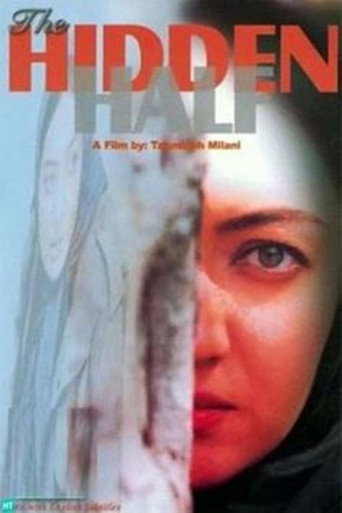
The Hidden Half
An official is sent from his home in Tehran to hear the final appeal of a woman sentenced to death, a political prisoner. The official's wife of nearly 20 years, Fereshteh Samimi, writes him a letter to read when he reaches the hotel - the story of her student days during the revolution of 1978. We see the story in flashbacks as he reads: she leaves her province on scholarship, joins a Communist youth group, avoids arrest, and comes under the sway of a suave older man, Roozbeh Javid, a literary-magazine editor. As she tells her husband about the hidden half of her life, Fereshteh asks that he listen to the woman facing execution, a woman and therefore one of Iran's hidden half.
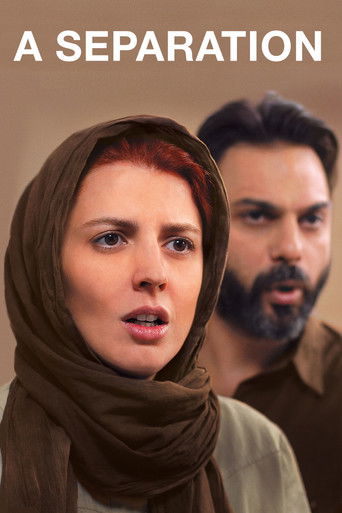
A Separation
A married couple are faced with a difficult decision - to improve the life of their child by moving to another country or to stay in Iran and look after a deteriorating parent who has Alzheimer's disease.
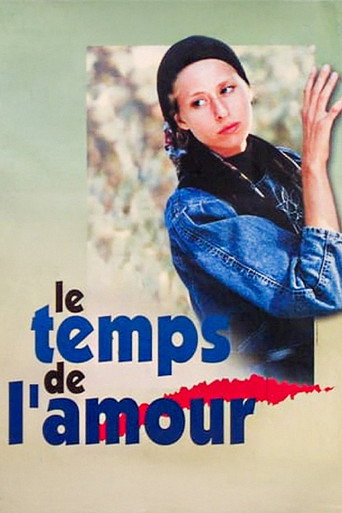
Time of Love
Three episodes, all with relatively similar plots about a love triangle between a woman and two men.
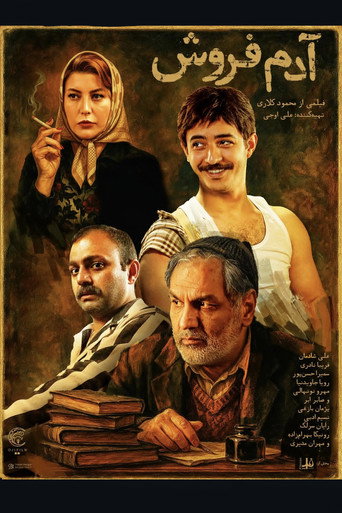
Summertime
7-year-old Atta is taken to a fortune teller to identify the thief of her aunt's gold during a ceremony. Atta, who has no idea of the outcome of what she utters in that situation, to get out of that situation, tells everything from her aunt's definitions about Dawood, her other cousin.
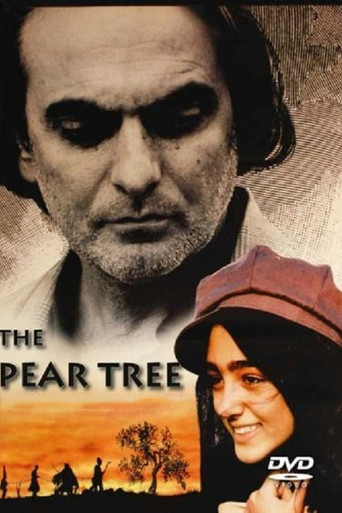
The Pear Tree
Mahmoud is suffering from writer's block and he is unable to continue the book he is currently working upon. He decides to take a break from his routine life and plans to visit his family's rural estate that is situated at north of Tehran. He also intends to complete his book in this visit. While at the estate, Mahmoud's attention is brought to the old Pear Tree that is situated behind the estate by the old gardener of the estate. Seeing the Pear Tree, Mahmoud thinks about his past - his infatuation towards his 14-year-old female cousin known only as M, his adolescent dreams, how that changed over the years. The rest of the film chronicles thoughts of Mahmoud and his past.
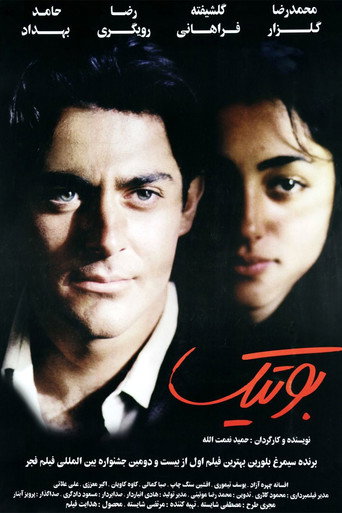
Boutique
A clothing store worker (Jahan) meets a poor girl named Eti. Jahan tries to help the girl and solve her problems, but…
Gallery