Madeline Ivalu Movies, TV Shows, and Filmography
Madeline Ivalu
Directing
Biography
Madeline Ivalu is a Canadian filmmaker and actress based in Igloolik, Nunavut.
Filmography Movies
Acting
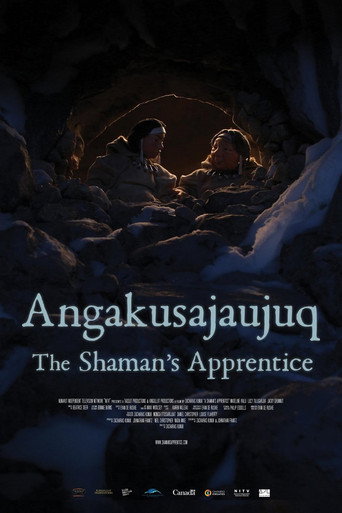
The Shaman's Apprentice
A young shaman must face her first test: a trip underground to visit Kannaaluk, The One Below, who holds the answers to why a community member has become ill.
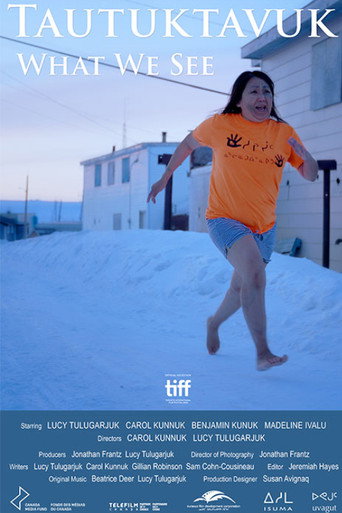
What We See
After experiencing a traumatic event in Igloolik (an Inuit hamlet in Foxe Basin, Qikiqtaaluk Region in Nunavut), Uyarak leaves her community and family in Nunavut to live in Montréal. When Covid-19 lockdowns close off the Canadian Arctic from the rest of the world, Uyarak is further separated from her closest friend, eldest sister, Saqpinak. This extreme situation blurs the lines of both the fictional lives of the sisters, and the non-fiction lives of the film’s directors, Lucy Tulugarjuk and Carol Kunnuk, who play the sisters.

Qulliq (Oil Lamp)
Women of the Arnait Video Collective reenact a traditional women's activity: the use of the qulliq. The qulliq is the seal oil lamp and stove of the old days, the only source of light and warmth. The women tell the story in words and songs as they install the qulliq in their igloo.
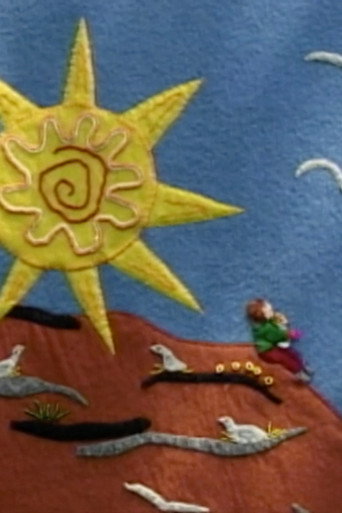
Unakuluk, Dear Little One
Rooted in tradition, adoption is a reality that all Inuit families have experienced. In Inuit culture, adopting a child from a relative, friend or acquaintance is a common practice. Marie-Hélène Cousineau, the adoptive mother of Alexandre Apak, lived in Igloolik, a small island southwest of Baffin Island in the Arctic, for many years. This documentary, which she directed in collaboration with Mary Kunuk (an old friend and colleague), explores Inuit family relations through the personal histories of women who have experienced adoption in one way or another. In a parallel thread, the film documents the creation of an intricate felt wall-hanging that depicts key moments from their lives. All skilled seamstresses, these women of Igloolik use fabric to draw, cut, and embroider their personal life stories – an intimate portrait of family ties and a vibrant illustration of the role adoption has always played in Inuit culture
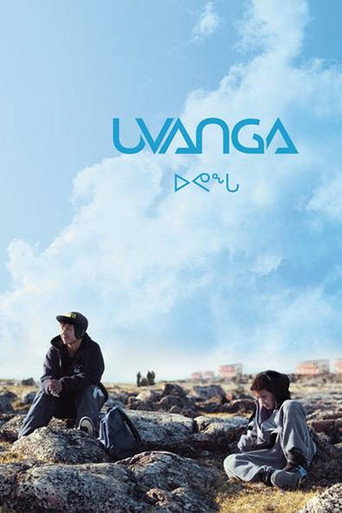
Uvanga
Anna is nervous when she and her son, Tomas, arrive in the small, close-knit community of Igloolik, in the Canadian Arctic.
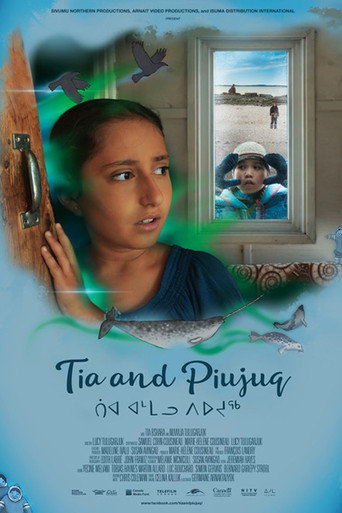
Tia and Piujuq
Tia, a 10 year-old Syrian refugee living in Montreal, finds a magic portal and travels to the Arctic where she befriends an Inuk girl with who she immerses herself in a world of Inuit myth and magic.
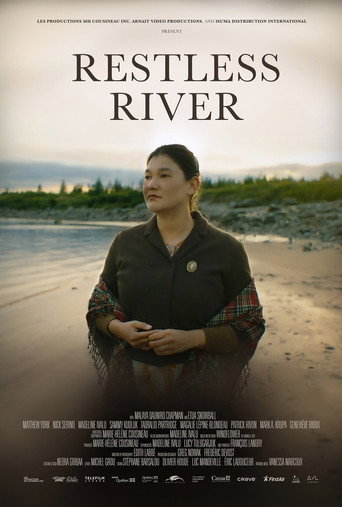
Restless River
Surprised at the loss of her innocence, the young Inuk Elsa draws courage and strength from her rugged land to become a woman as independent as the restless river that cuts across it. She becomes the very young mother of a child whose surprising destiny breaks with the millennial traditions of her ancestors. Navigating the social norms of the colonizers and the reality of her own family situation, the dreariness of a relationship that is not right for her, and the rebellion of her teenage son, Elsa’s path follows the winding course of the indomitable river that accompanies her every turn in life.
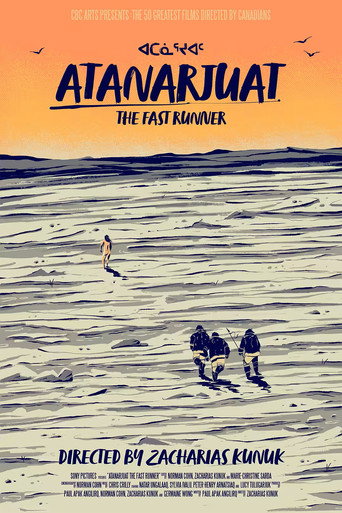
Atanarjuat: The Fast Runner
Based on a local legend and set in an unknown era, it deals with universal themes of love, possessiveness, family, jealousy and power. Beautifully shot, and acted by Inuit people, it portrays a time when people fought duels by taking turns to punch each other until one was unconscious, made love on the way to the caribou hunt, ate walrus meat and lit their igloos with seal-oil lamps.
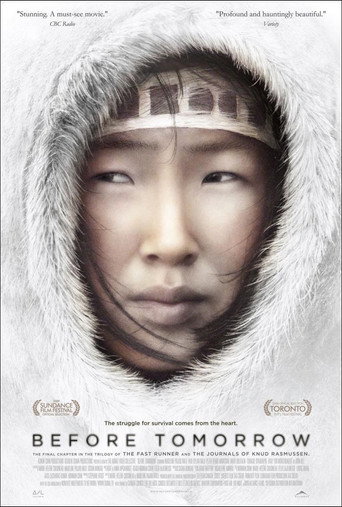
Before Tomorrow
Two isolated families meet for a summertime celebration. Food is abundant and the future seems bright, but Ningiuq, a wise old woman, sees her world as fragile and moves through it with a pervasive sense of dread. Ningiuq and her grandson Maniq are dropped off on a remote island, where, every year, the family dries the catch and stores it for winter. The task is soon finished. As summer turns to fall, they wait in vain for the others to pick them up.
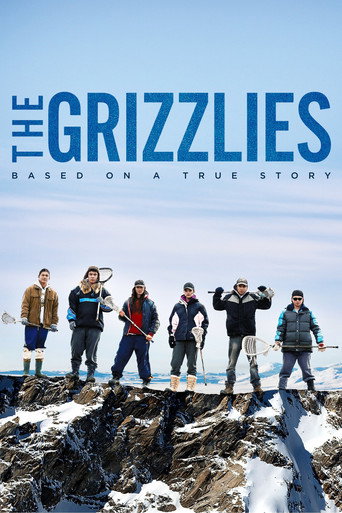
The Grizzlies
In a small Arctic town struggling with the highest suicide rate in North America, a group of Inuit students' lives are transformed when they are introduced to the sport of lacrosse.
Production
Uvanga
Anna is nervous when she and her son, Tomas, arrive in the small, close-knit community of Igloolik, in the Canadian Arctic.
Restless River
Surprised at the loss of her innocence, the young Inuk Elsa draws courage and strength from her rugged land to become a woman as independent as the restless river that cuts across it. She becomes the very young mother of a child whose surprising destiny breaks with the millennial traditions of her ancestors. Navigating the social norms of the colonizers and the reality of her own family situation, the dreariness of a relationship that is not right for her, and the rebellion of her teenage son, Elsa’s path follows the winding course of the indomitable river that accompanies her every turn in life.
Restless River
Surprised at the loss of her innocence, the young Inuk Elsa draws courage and strength from her rugged land to become a woman as independent as the restless river that cuts across it. She becomes the very young mother of a child whose surprising destiny breaks with the millennial traditions of her ancestors. Navigating the social norms of the colonizers and the reality of her own family situation, the dreariness of a relationship that is not right for her, and the rebellion of her teenage son, Elsa’s path follows the winding course of the indomitable river that accompanies her every turn in life.
Restless River
Surprised at the loss of her innocence, the young Inuk Elsa draws courage and strength from her rugged land to become a woman as independent as the restless river that cuts across it. She becomes the very young mother of a child whose surprising destiny breaks with the millennial traditions of her ancestors. Navigating the social norms of the colonizers and the reality of her own family situation, the dreariness of a relationship that is not right for her, and the rebellion of her teenage son, Elsa’s path follows the winding course of the indomitable river that accompanies her every turn in life.
Before Tomorrow
Two isolated families meet for a summertime celebration. Food is abundant and the future seems bright, but Ningiuq, a wise old woman, sees her world as fragile and moves through it with a pervasive sense of dread. Ningiuq and her grandson Maniq are dropped off on a remote island, where, every year, the family dries the catch and stores it for winter. The task is soon finished. As summer turns to fall, they wait in vain for the others to pick them up.
Before Tomorrow
Two isolated families meet for a summertime celebration. Food is abundant and the future seems bright, but Ningiuq, a wise old woman, sees her world as fragile and moves through it with a pervasive sense of dread. Ningiuq and her grandson Maniq are dropped off on a remote island, where, every year, the family dries the catch and stores it for winter. The task is soon finished. As summer turns to fall, they wait in vain for the others to pick them up.
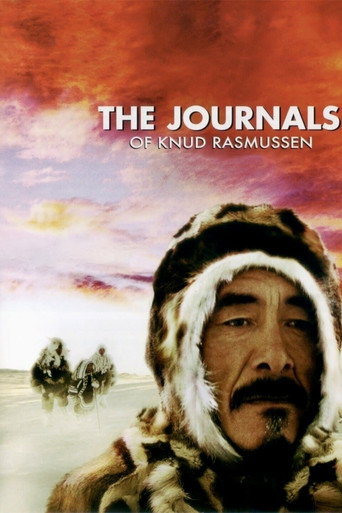
The Journals of Knud Rasmussen
Based on the journal of Knud Rasmussen's "Great Sled Journey" of 1922 across arctic Canada. The film is shot from the perspective of the Inuit, showing their traditional beliefs and lifestyle. It tells the story of the last great Inuit shaman and his beautiful and headstrong daughter; the shaman must decide whether to accept the Christian religion that is converting the Inuit across Greenland.
Uvanga
Anna is nervous when she and her son, Tomas, arrive in the small, close-knit community of Igloolik, in the Canadian Arctic.