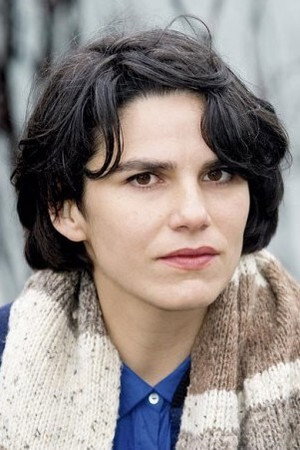
Maddi Barber Movies, TV Shows, and Filmography
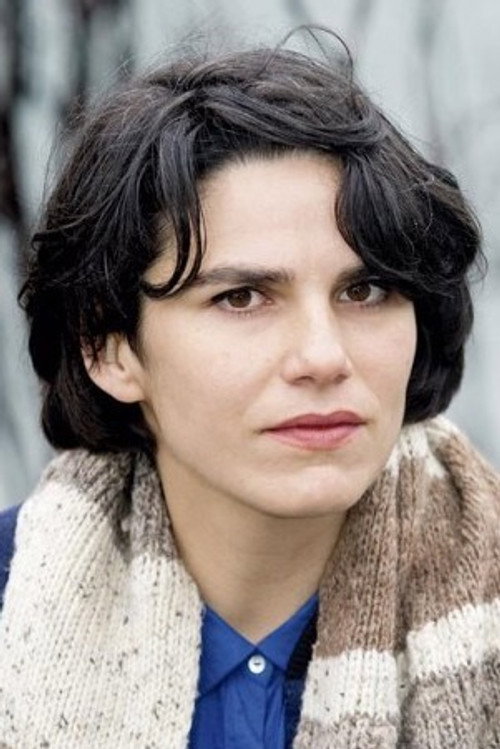
Maddi Barber
Directing
Biography
Maddi Barber Gutiérrez is a filmmaker. She was graduated in Audiovisual Communication and has a master’s degree in Visual Anthropology from the University of Manchester. Her films '592 metroz goiti' and 'Urpean lurra' portray the land affected by the Itoiz reservoir. Her latest work are 'Gorria' and 'Paraíso'.
Filmography Movies
Acting
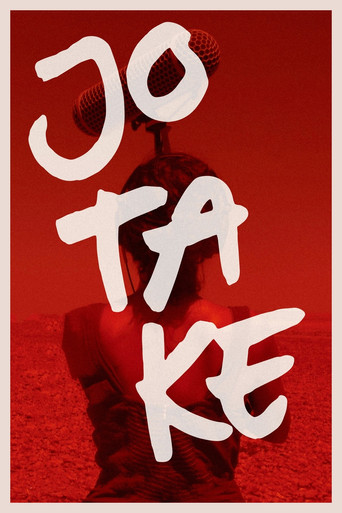
Non-Stop
Province of Ciudad Real, Spain, December 29, 1990. During the annual march to the Herrera de la Mancha prison, held in support of the members of the terrorist gang ETA imprisoned there, the Basque rock band Negu Gorriak holds a concert, which is recorded, edited on video and turned into a tool of vindication. Decades later, a film crew tries to elaborate a personal essay around this event and its meaning.
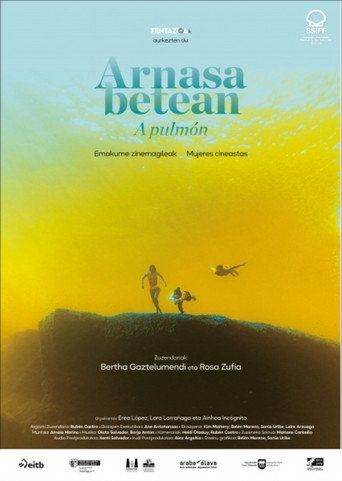
A Deep Breath, Women Filmmakers
At last we are starting to hear the voice of women in the cinema. We celebrate it with this documentary on the Basque women moviemakers of yesterday and today, giving a global overview of the subject. Three female divers guide us through the topic of their films, their points of view, their dreams, their efforts to get somewhere, their contribution to the cinema and to society.
Production
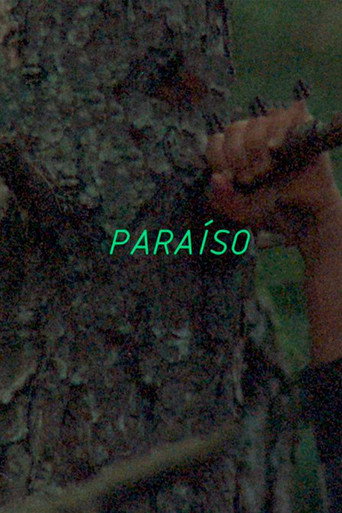
Paraíso
Two men measure the heights of pine trees. A woman listens to what the trees are saying. The children of the village set up the camp. A cloud of digital dots reveals the forest. The pines have said that we can ask. They always called this place 'Paraíso'. Machines will come soon.
Paraíso
Two men measure the heights of pine trees. A woman listens to what the trees are saying. The children of the village set up the camp. A cloud of digital dots reveals the forest. The pines have said that we can ask. They always called this place 'Paraíso'. Machines will come soon.
Paraíso
Two men measure the heights of pine trees. A woman listens to what the trees are saying. The children of the village set up the camp. A cloud of digital dots reveals the forest. The pines have said that we can ask. They always called this place 'Paraíso'. Machines will come soon.
Paraíso
Two men measure the heights of pine trees. A woman listens to what the trees are saying. The children of the village set up the camp. A cloud of digital dots reveals the forest. The pines have said that we can ask. They always called this place 'Paraíso'. Machines will come soon.
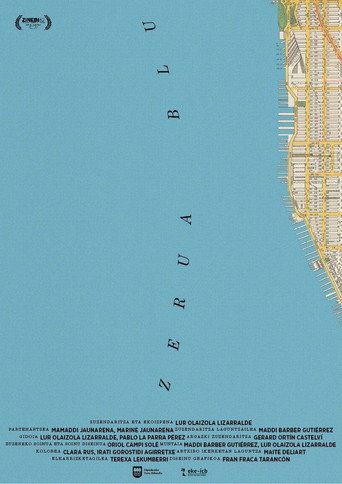
Blue Sky
On January 24th, 1954, Mamaddi, aged 22, took a boat from Le Havre to New York. But her journey began earlier in her hometown movie theater, with images coming off the screen and never disappearing: a beautiful Cadillac, a young woman, the blue sky.
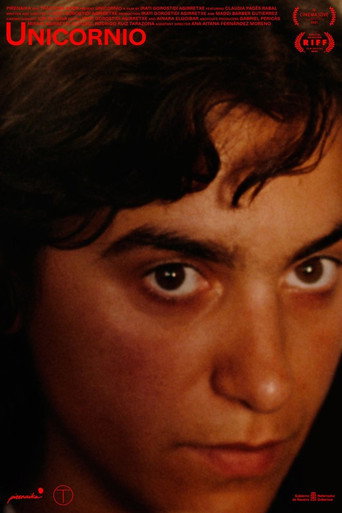
Unicorn
In her escape, M. takes refuge in an abandoned house. Amidst the echoing sounds resulting from her efforts to make herself comfortable, she hears some footsteps outside and decides to open the door. A fortuitous visitor, who will become her companion-in-shelter, steps into the house.
Paraíso
Two men measure the heights of pine trees. A woman listens to what the trees are saying. The children of the village set up the camp. A cloud of digital dots reveals the forest. The pines have said that we can ask. They always called this place 'Paraíso'. Machines will come soon.
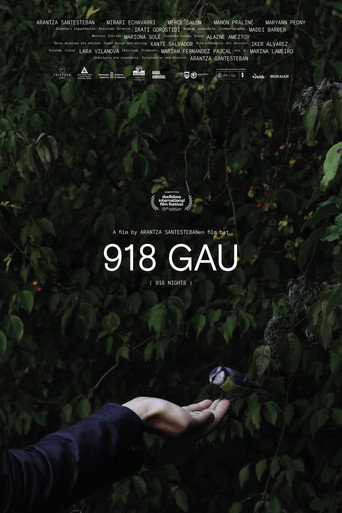
918 Nights
On October 4th, 2007 Arantza, the director of the film, was detained and taken to prison. She remembers a few things about those days: endlessly walking around the prison exercise yard, swimming competitions, Rasha's prison journey... After 918 nights locked up, Arantza is set free. From then onwards, she recorded her memories and doubts, which are heard throughout the documentary as a kind of fragmented memoir.
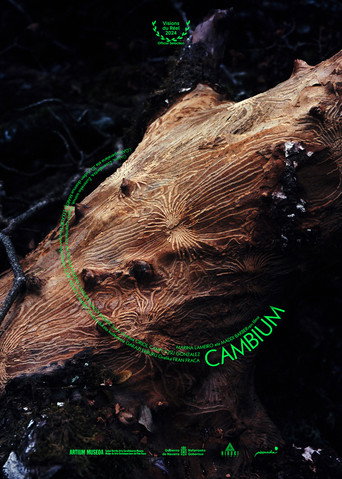
Cambium
In an attempt to reclaim pasture for their cattle, the inhabitants of an ecovillage in Navarre decide to cut down a pine grove planted as part of a state-funded reforesting initiative. In this fierce and sensory work, the filmmakers capture an adversarial process which uses deforestation techniques to transform a territory.
Chantal Akerman, un recuerdo
In the aftermath of the death of the filmmaker Chantal Akerman on October 5th, 2015 ten directors remember, rethink and reoccupy in their own way the imagination of the Belgian director. A small collective tribute from Barcelona and Iruña, made with love.
Gallery