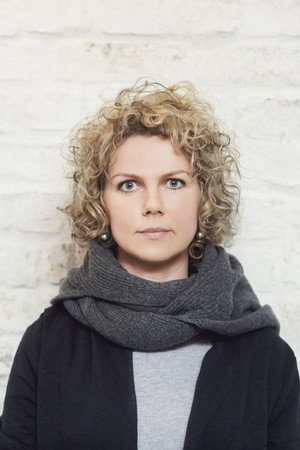
Madara Dišlere Movies, TV Shows, and Filmography
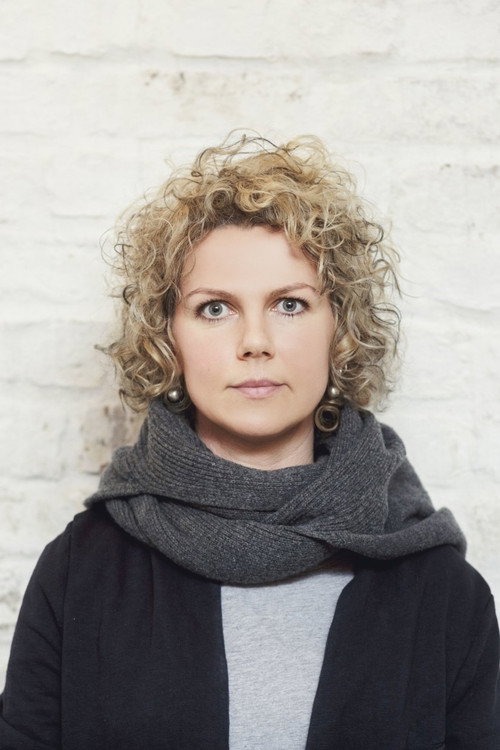
Madara Dišlere
Directing
Biography
No biography available.
Filmography Movies
Production
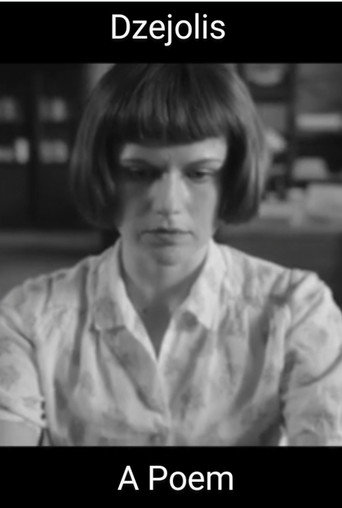
A Poem
The true story about Latvian poet Austra Skujiņa, who spends her days dreaming and writing poems while working in the Ministry of Agriculture. Her accidental late night meeting with a policeman in a park triggers a series of unexpected events. The young poet is forced to face a choice between giving in to the policeman’s blackmail or informing on him to his superior. During these events Austra Skujiņa writes her last published poem.
A Poem
The true story about Latvian poet Austra Skujiņa, who spends her days dreaming and writing poems while working in the Ministry of Agriculture. Her accidental late night meeting with a policeman in a park triggers a series of unexpected events. The young poet is forced to face a choice between giving in to the policeman’s blackmail or informing on him to his superior. During these events Austra Skujiņa writes her last published poem.
A Poem
The true story about Latvian poet Austra Skujiņa, who spends her days dreaming and writing poems while working in the Ministry of Agriculture. Her accidental late night meeting with a policeman in a park triggers a series of unexpected events. The young poet is forced to face a choice between giving in to the policeman’s blackmail or informing on him to his superior. During these events Austra Skujiņa writes her last published poem.
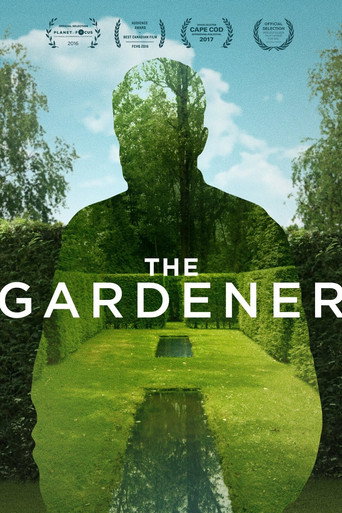
The Gardener
The old gardener works all day in harmony with nature’s rhythms and the wisdom of the ancient Latvians. His happiness and fulfillment is a garden that no longer belongs to him, but he feels like it does due to his large contribution to it. He speaks to the garden, and it responds, giving him shelter and a rich harvest. Autumn arrives and there is much work, more than the gardener can handle. The young homeowners, desiring to make the gardener’s life easier, hire a new gardener. The old gardener’s love of the garden and his unwillingness to share it with anyone else leads him to make an inevitable decision to stay in the garden of his family forever. This is a poetically symbolic story about disappearing time, the land and modern reality.
The Gardener
The old gardener works all day in harmony with nature’s rhythms and the wisdom of the ancient Latvians. His happiness and fulfillment is a garden that no longer belongs to him, but he feels like it does due to his large contribution to it. He speaks to the garden, and it responds, giving him shelter and a rich harvest. Autumn arrives and there is much work, more than the gardener can handle. The young homeowners, desiring to make the gardener’s life easier, hire a new gardener. The old gardener’s love of the garden and his unwillingness to share it with anyone else leads him to make an inevitable decision to stay in the garden of his family forever. This is a poetically symbolic story about disappearing time, the land and modern reality.
The Gardener
The old gardener works all day in harmony with nature’s rhythms and the wisdom of the ancient Latvians. His happiness and fulfillment is a garden that no longer belongs to him, but he feels like it does due to his large contribution to it. He speaks to the garden, and it responds, giving him shelter and a rich harvest. Autumn arrives and there is much work, more than the gardener can handle. The young homeowners, desiring to make the gardener’s life easier, hire a new gardener. The old gardener’s love of the garden and his unwillingness to share it with anyone else leads him to make an inevitable decision to stay in the garden of his family forever. This is a poetically symbolic story about disappearing time, the land and modern reality.
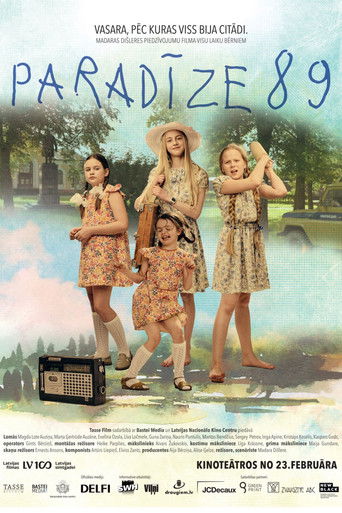
Paradise 89
Summer, 1989. City girls, Paula and Laura, spend their summer holidays in a small town with their cousins, Maija and Linda. Four girls, left unattended, enjoy freedom, imitate the life of adults, plunge into reckless adventures and get into trouble. Based on true events, nine-year-old Paula’s story of growing up is set against the background of time when Latvia made her first steps towards independence.
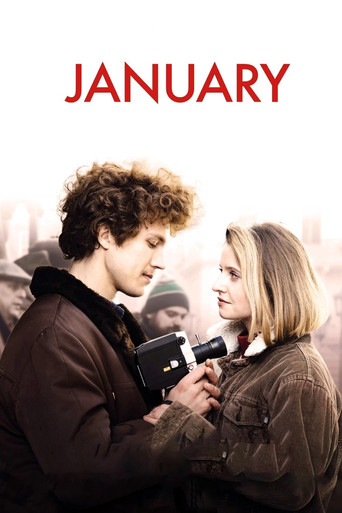
January
It is 1991 in Latvia and nineteen-year-old aspiring cinematographer Jazis’s whole world is thrown into chaos as he is dragged into the people’s peaceful protests against the Soviet Army’s attempted takeover of power in his country.
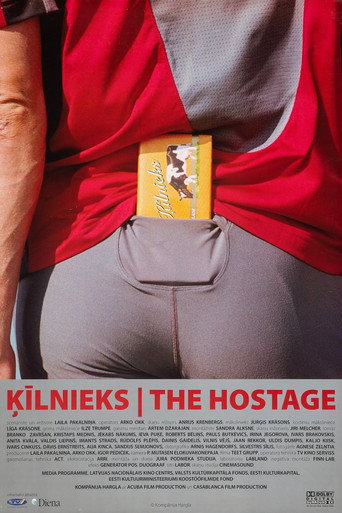
The Hostage
The Hijacker lands the plane at the Rīga Airport. 7 year-old Tom, travelling on his own, voluntarily becomes a hostage. Along with the traditional demands, the Hijacker adds the demands of the little hostage – beginning with some local chocolate and a self-instruction tape for learning the native language, and ending with organizing a Song Festival and a special biathletes’ performance – all ideas originating from a CD on Latvia.
Paradise 89
Summer, 1989. City girls, Paula and Laura, spend their summer holidays in a small town with their cousins, Maija and Linda. Four girls, left unattended, enjoy freedom, imitate the life of adults, plunge into reckless adventures and get into trouble. Based on true events, nine-year-old Paula’s story of growing up is set against the background of time when Latvia made her first steps towards independence.
Gallery