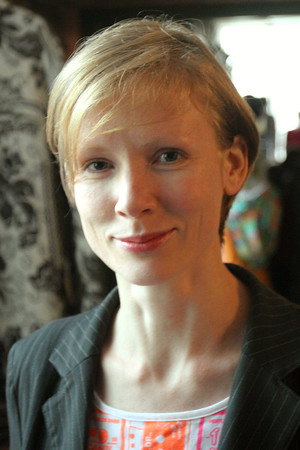
Maarja Jakobson Movies, TV Shows, and Filmography

Maarja Jakobson
Acting
Biography
Maarja Jakobson (born December 8, 1977) is an Estonian television, stage and film actress whose career began in the late 1990s. Maarja Jakobson was born in Tartu in 1977. She is distantly related to 19th-century writer and politician Carl Robert Jakobson, who played a pivotal role in the Estonian national awakening. She graduated from the 15th Secondary School of Tartu (now, the Tartu Descartes Lyceum) in 1995 and enrolled at the University of Tartu to study German for a year before enrolling in the performing arts department of the Estonian Academy of Music and Theatre in Tallinn in 1996 to study acting under the direction of theatre pedagogue and stage director Ingo Normet, graduating in 2000. Among her graduating classmates were actors Kersti Heinloo, Margus Prangel, Eva Püssa, Katrin Pärn, Tambet Tuisk, Piret Simson and directors Urmas Lennuk, Tiit Ojasoo and Vahur Keller. In 2002, she graduated cum laude from Estonian Academy of Music and Theatre with a master's degree in theatre and drama. She had spent the previous year studying at the Berlin University of the Arts collecting her master's thesis material. In 1998, while still a student at the Estonian Academy of Music and Theatre, Jakobson was cast in the role of Jane Peterson on the long-running Eesti Televisioon (ETV) television drama series Õnne 13; a role Jakobson has, to date, been performing on the series for over twenty years. In 1999, she made her feature film debut in a small role in the sci-fi adventure Kass kukub käppadele for Exitfilm. In 2001, Jakobson began an engagement as a stage actress at the Endla Theatre in Pärnu before leaving in 2004 to become a freelance actress. As a freelance actress, she has appeared on the stages of the Vanemuine, the Von Krahl Theatre, the Rakvere Theatre, the Tartu New Theatre and the Kuressaare City Theatre. After appearing in several film shorts, Jakobson received her first starring role in a feature-length film as Alice in the 2005 Peeter Urbla directed Exitfilm comedy-drama Stiilipidu opposite Anne Reemann and Evelin Võigemast. The same year, she appeared as Stella in the Peeter Simm directed comedy-drama Kõrini! In 2006, she appeared as Maarja in the comedy-drama Tabamata ime, based on the 1912 play of the same name by author Eduard Vilde and later the same year played the role of Helina in the Veiko Õunpuu directed drama Tühirand, based on the story of the same name penned by Mati Unt. The following year she appeared as Laura, a single mother in the Veiko Õunpuu directed drama Sügisball for which she won the Best Actress award at the 11th Tallinn Black Nights Film Festival on 9 December 2007. On 11 February 2006, she was among ten European actors selected from twenty-one candidates, each representing their country, to be presented with the European Shooting Stars Award by the European Film Promotion (EFP). The event took place during the 56th Berlin International Film Festival.
Filmography Movies
Acting
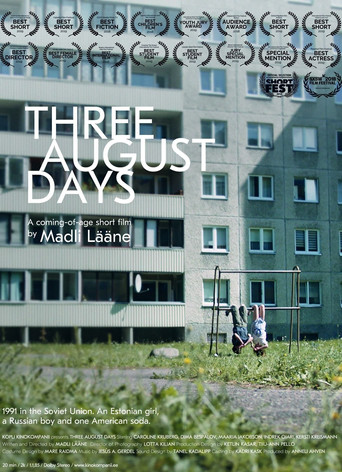
Three August Days
In the midst of the political upheaval of the early 1990s in Soviet Union, an Estonian girl and a Russian boy reach across cultural lines to unite over a shared bottle of American soda.
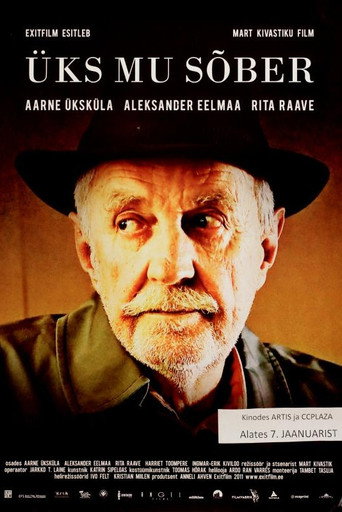
A Friend of Mine
Mati, a 70-year-old bibliophile, cannot cope with his wife's death. As loneliness and indifference overrun his thoughts, he contemplates suicide until he meets a younger man who sparks his interest in life.
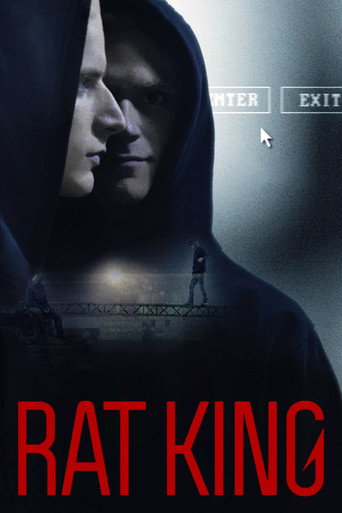
Rat King
18 year old Juri is seriously addicted to online gaming, so much so he becomes isolated from his single mother and pushes his girlfriend to the brink of leaving him. He decides to quit, but is soon lured back by one of his net-mates, Niki, who - when they meet for the first time - turns out to look strikingly like Juri. Niki has a web-address tattooed on his arm and when Juri types it into his computer, he gets drawn into a curious game that grants him the username RAT KING. As the game becomes increasingly dangerous, Niki vows to help Juri get through it. But the game triggers a series of life-threatening events and pretty soon Juri realizes that he is gaming for his life.
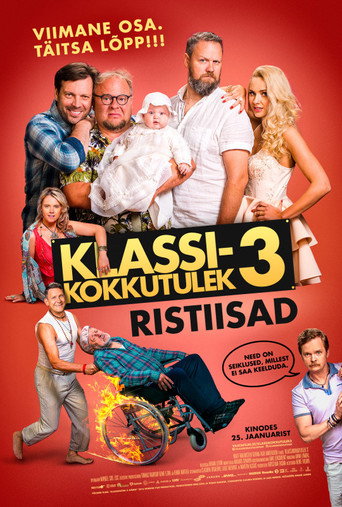
Class Reunion 3: Godfathers
The final film in the trilogy takes us on another wild ridewhich will stop at nothing and will leave no time to feel shame. The three best friends –Mart, Andres and Toomas, are back! And as always, they offer genius solutions to both their personal problems, as well as the audience’s spare time.
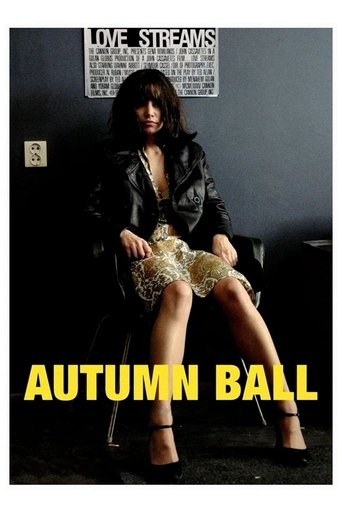
Autumn Ball
Autumn in Estonia, where six people live, six solitudes, prisoners of the monotonous architecture of Soviet-era concrete buildings, in search of human companionship, of love, of a ray of light in an ocean of gray.
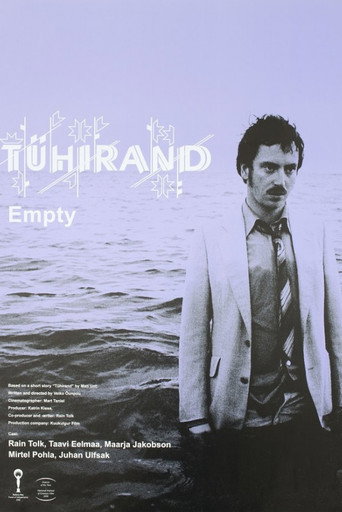
Empty
A young intellectual, Mati, engineers himself into a situation where he has to spend a weekend with his wife Helina and her lover Eduard. The trio goes to Eduard's summer house, surrounded by the majestic scenery of big forests and an empty beach. Mati, either out of jealousy or pride, has decided to win back his wife and will do anything his introverted and inert mind can come up with.

Shop of Dreams
Three friends return from a vacation and discover that the TV studio they work for has gone bankrupt - so they decide to start their own costume renting business.
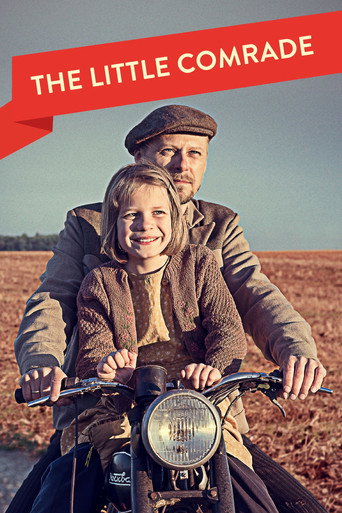
The Little Comrade
In the midst of Stalinist tyranny, six-year-old Leelo's mother is sent to a prison camp. Haunted by her mother's last words telling her to be a good kid, Leelo vows to be on her best behaviour in the confusing grown-up world in the hope that it will bring her mother back.
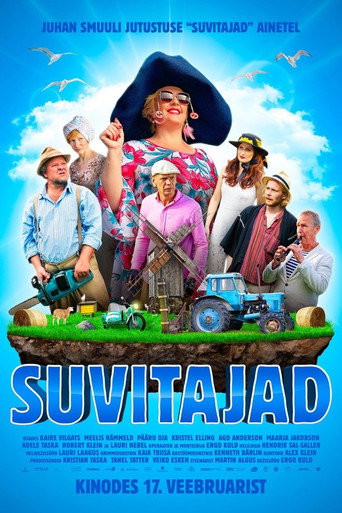
The Vacationers
Fisherman Ärni has decided to take vacationers for midsummer due to the poor catch of fish. The plan is not bad, but extremely troublesome guests arrive at his beautiful farm in Muhumaa: Mrs. Sohvia, her husband Johan, their son Junior and Sohvia's beautiful sister Erna with her businessman cavalier Ivo. From first glance, it is clear that Ärni and his wife Laine will have a hard time with these vacationers.
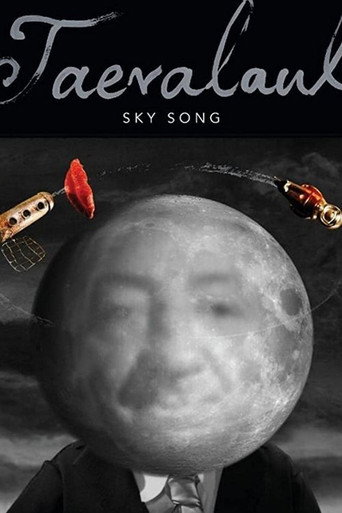
Sky Song
A postman endeavors to fly to the moon in one breath so he can deliver a package.
Gallery