Directing
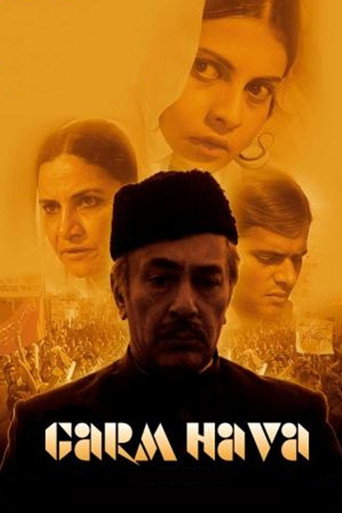
Mysore Shrinivas Sathyu (born 6 July 1930) is a film director, stage designer and art director from India. He is best known for his directorial Garm Hava (1973), which was based on the partition of India. He was awarded Padma Shri in 1975.
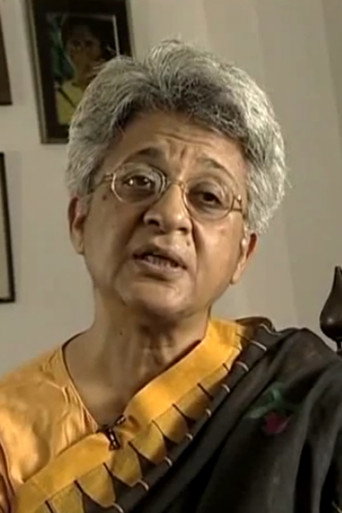
The film starts with the earliest form of cinema and how Shama Zaidi became an integral part of the evolution of Indian Cinema.
In post-Partition India, a Muslim businessman and his family struggle for their rights in a country which was once their own.
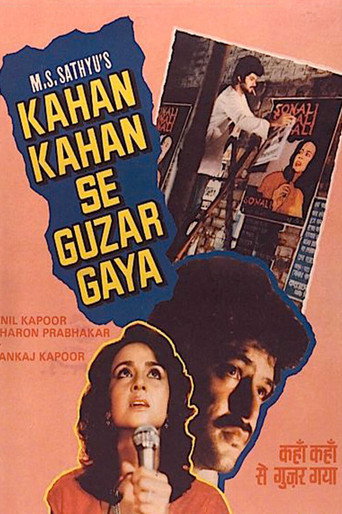
Ravi, a wealthy model, leaves his father's business after unsatisfactory modeling work and returns to his parents' home to join struggle students and revolutionary Manohar.
Islam and India have a long-standing symbiotic relationship, integrating their culture, poetry, architecture, and tradition into existing Indian traditions, resulting in a beautiful syncretism.
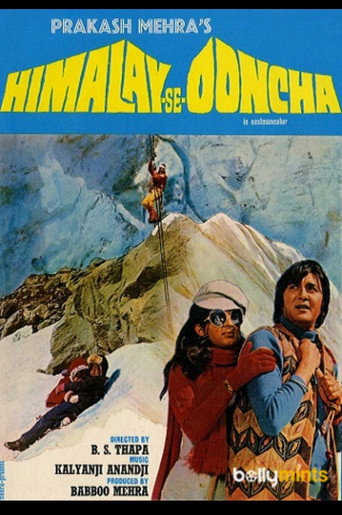
After losing his two younger brothers on a mountain climbing expedition, Vijay swears to his sorrowing mother that he will never undertake any expedition again. When he hears of a plane crash deep in the mountains of the Himalays, he initially refuses to even consider going there to look for the survivors, but the tears of a mother, Geeta, whose two children were abroad that plane, moves him and his mother, and he agrees to look for the children, little knowing that others are on the way to the crash site, with different motives.
Based on the Kannada novel Bara by eminent writer U. R. Ananthamurthy, the story deals with the politics of famine in Karnataka. An idealistic officer eventually succumbs to bureaucratic apathy - famine relief arrives, but too late. Simultaneously shot in Kannada as Bara, which was released in 1982.
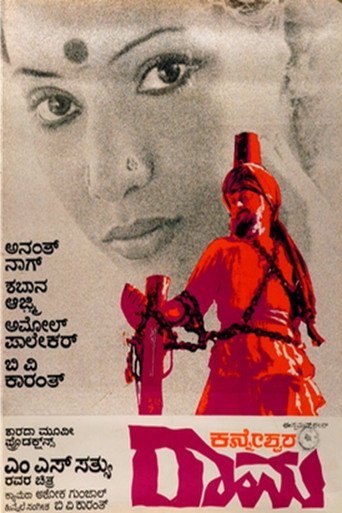
Set in 1920s India, the story follows Kanneshwara Rama, a defiant peasant who becomes a legendary outlaw after confronting local injustice. After a prison stint where he encounters Gandhi’s followers, he joins and eventually leads a group of bandits, becoming a Robin Hood-like figure who aids the poor and challenges feudal authority. His journey is complicated by his relationship with Malli, a former bandit’s mistress, and his growing ambition to establish his own principality.
Follows a lovable gangster who runs his business from home for the blind and who despite being a criminal is admired and respected by people of the town.
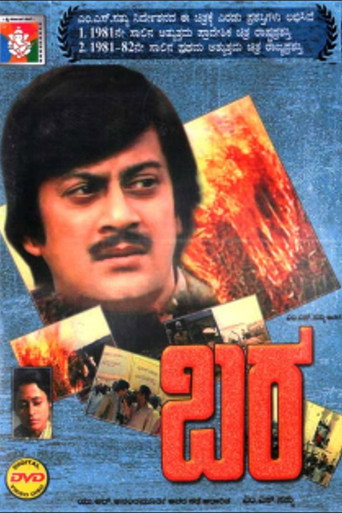
Based on the Kannada novel Bara by eminent writer U. R. Ananthamurthy, the story deals with the politics of famine in Karnataka. An idealistic officer eventually succumbs to bureaucratic apathy - famine relief arrives, but too late. Simultaneously shot in Hindi as Sookha; that version was released in 1983.