Directing
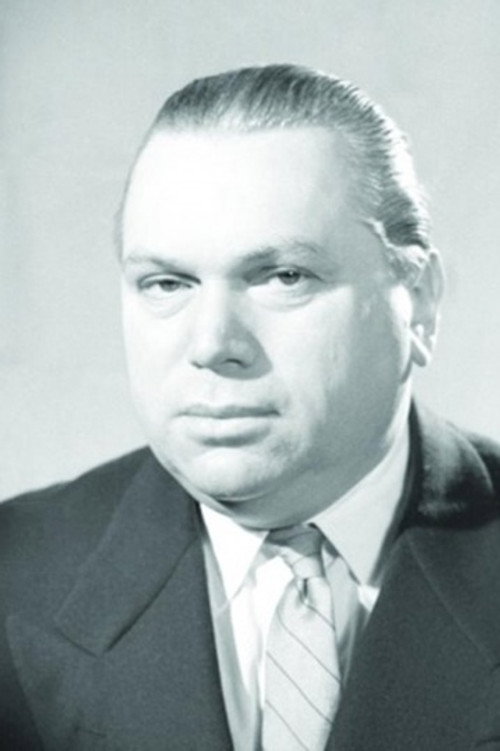
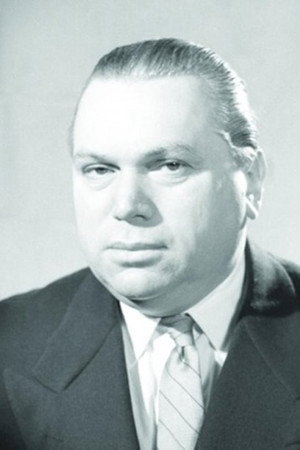
Márton Keleti (27 April 1905 – 20 June 1973) was a Hungarian screenwriter and film director. He directed 50 films between 1937 and 1973. His 1959 film Yesterday was entered into the 1st Moscow International Film Festival.
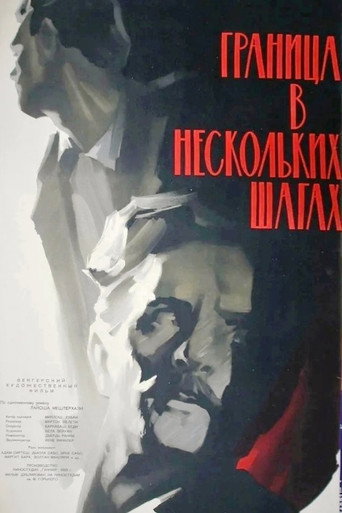
Based on the novel of the same name by Lajos Meszterházy about the escape from prison of two communists sentenced to death. The movie is set in 1921, two years after the defeat of the Hungarian Soviet Republic.
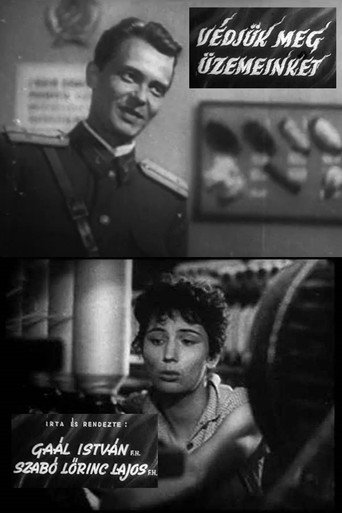
A sequel to "Yesterday". About the defeat of the Hungarian uprising of 1956. The action takes place in the barracks of the People's Army, in the War Ministry and in one of the largest factories in Budapest.
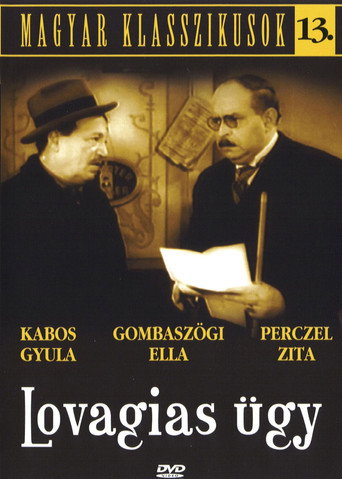
Young playboy Pál Milkó, nephew of the mill’s powerful CEO, insults and even strikes the company’s venerable accountant, Andor Virág, who quits in anger. To make amends, Pál rents a room in Virág’s home, avoids the old man but courts his beautiful daughter, soon hopelessly falling in love.
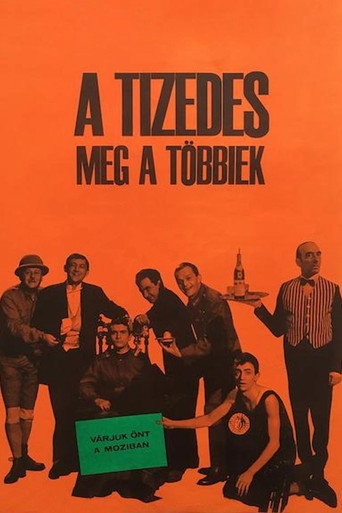
PFC Molnár decides his WWII services are over, and with serious money hidden in his hand grenades, he heads to an abandoned mansion where he encounters not only the sour butler but a bunch of others who also try to wimp out of their duties.
The protagonist of the story is Flora, a teacher who wants to teach in the village, in accordance with her vocation and her oath. Her beauty and purity bring her into conflict with the local authorities and with the landowning family of the countryside. Aware of her truth, she defies them, but can only count on the sympathy of the old priest. István Nagy Jr., the idle, dissolute landowner's son, falls in love with Flóra, and love changes him: he takes her side, exposing the lecherous hypocrites.
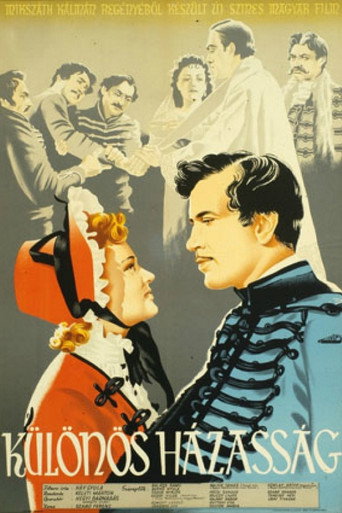
Count János Buttler rushes home to his parents and his beloved for the school holidays. On the way, they stop at Baron Dőry's house, where János is deviously trapped. In the presence of false witnesses, he is forcibly married to Baron Dőry's pregnant daughter. The swearing priest is the father of the unborn child. Although Buttler, his family and friends do their utmost to have the marriage annulled, the Church and the court, fearing for his authority, will not allow it. John Buttler and his lover therefore choose another way to divorce.
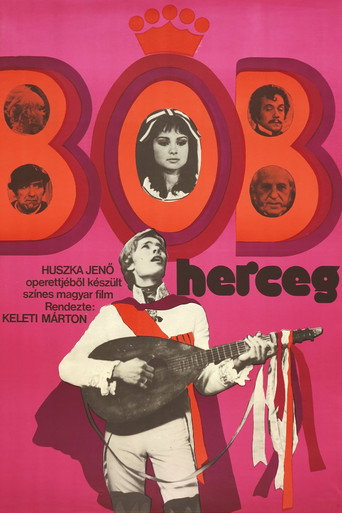
George, Prince of Wales mingles with the crowd in Bowie Street in disguise under the pseudonym Bob. He falls in love with the poor Uncle Tom's daughter, Annie. But to save his business, the indebted Uncle Tom promised her to the usurer Plumpudding.
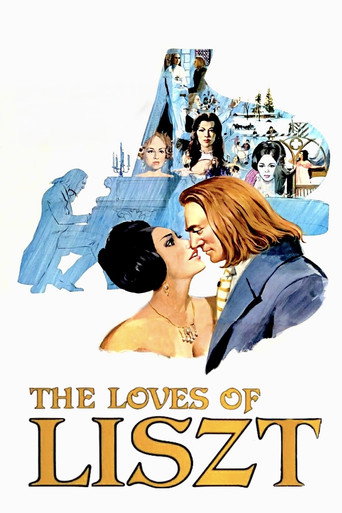
This is a romantic biographical film about Franz Liszt. In a distinguished saloon of Paris, the unknown composer, Liszt, defeats the renown Thalberg at a piano competition. Through his playing, he wins the favours and later the hand of the countess D'Agoult. A daughter is born in their marriage, Cosima. Liszt is better and better known, Marie introduces him to the circle of artists.
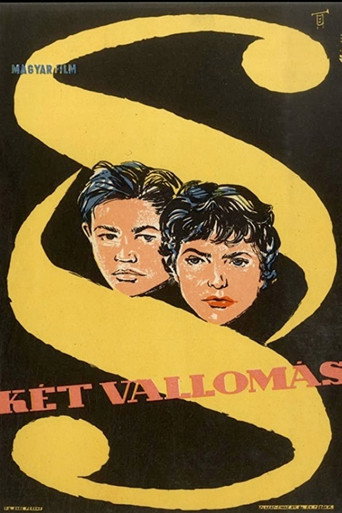
This easy-to-take Hungarian drama is also known as Two Wishes. The prinicipal characters are a pair of juvenile delinquents, who may still be redeemable. The sullen duo is befriended by a kindly police inspector, who takes it upon himself to straighten out the boys. What follows cannot be termed surprsingly or innovative, though it is immensely satisfying. Of interest is the fact that a Communist-bloc film would admit to a delinquency problem in the so-called Worker's Paradise. Ket Vallomas was the Hungarian entry in the 1957 Cannes Film Festival.
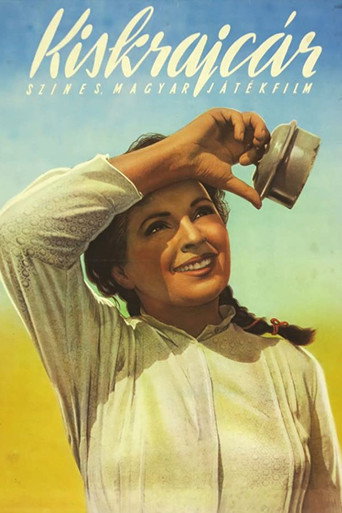
The story of a young servant girl who comes to work on the construction site of a large-scale industrial settlement. She decides to embark on an independent life, runs away from her foster parents, gets on a train and sets out to earn money. Modest and shy, she joins the factory's group of "Stakhanovites" and soon makes new comrades. Her coworkers accept her into their team.