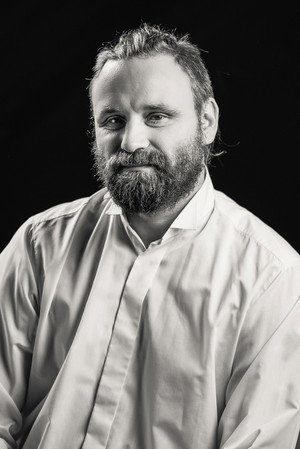
Mārtiņš Eihe Movies, TV Shows, and Filmography
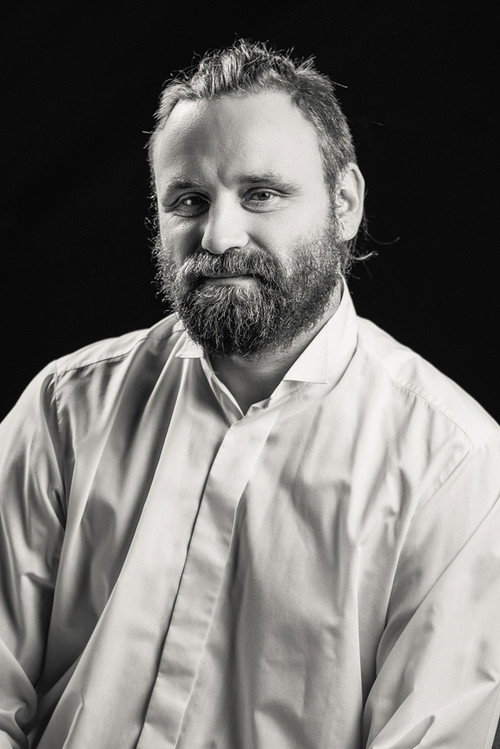
Mārtiņš Eihe
Directing
Biography
No biography available.
Filmography Movies
Production
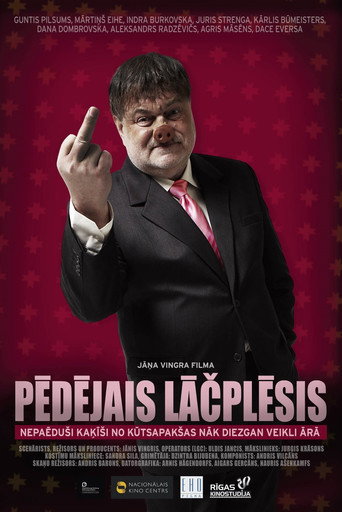
Desmit rozā minūtes
Liene and Rihards find out that they have won 10 000 lats in the lottery, but they have 10 minutes to find the receipt of their successful purchase. As they rummage through their belongings and look for the receipt, they gradually discover things they have been hiding from each other. Not only are their belongings revealed, but also their relationship.
Desmit rozā minūtes
Liene and Rihards find out that they have won 10 000 lats in the lottery, but they have 10 minutes to find the receipt of their successful purchase. As they rummage through their belongings and look for the receipt, they gradually discover things they have been hiding from each other. Not only are their belongings revealed, but also their relationship.
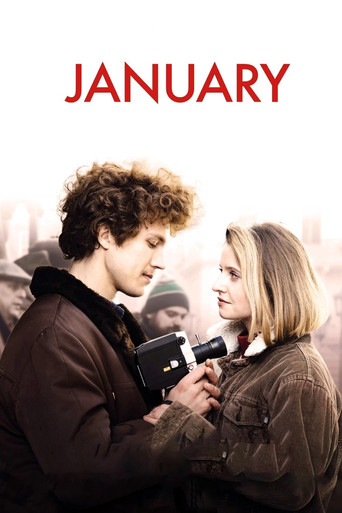
January
It is 1991 in Latvia and nineteen-year-old aspiring cinematographer Jazis’s whole world is thrown into chaos as he is dragged into the people’s peaceful protests against the Soviet Army’s attempted takeover of power in his country.
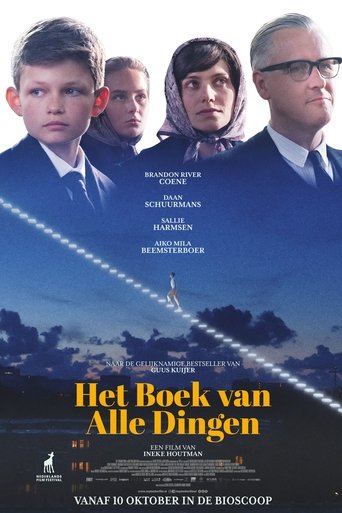
The Book of Everything
The 1960s, Netherlands. Thomas doesn’t realise it yet, but he has special powers. The nine-year-old sees things others cannot. He lives in a strict, religious family where his father, quick to cite the word of God, often resorts to violence. As a sense of injustice grows within him and a longing for freedom takes hold, Thomas begins writing his Book on Everything. In it, he wishes for his father’s punishment and encounters a host of unusual characters: Jesus Christ, a levitating lady with a piano-loving cat, tropical fish swimming in city canals, a young peg-legged witch living next door, and many others.
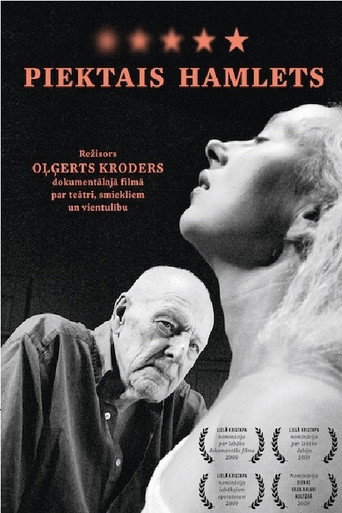
The Fifth Hamlet
What does the question “to be or not to be?” mean? 86 year-old director Olģerts Kroders stages his fourth production of Shakespeare’s Hamlet at the Valmiera Drama Theatre. The theatre is more than merely his occupation, for he not only works there but also spends all of his time in it. The film depicts his routine and the rehearsal process up until the premiere, and provokes a dialogue using the four actors who have all played Hamlet in the different productions. Kroders’s life and the lives of the actors tell the history of Latvia and the fates of different generations.
The Fifth Hamlet
What does the question “to be or not to be?” mean? 86 year-old director Olģerts Kroders stages his fourth production of Shakespeare’s Hamlet at the Valmiera Drama Theatre. The theatre is more than merely his occupation, for he not only works there but also spends all of his time in it. The film depicts his routine and the rehearsal process up until the premiere, and provokes a dialogue using the four actors who have all played Hamlet in the different productions. Kroders’s life and the lives of the actors tell the history of Latvia and the fates of different generations.
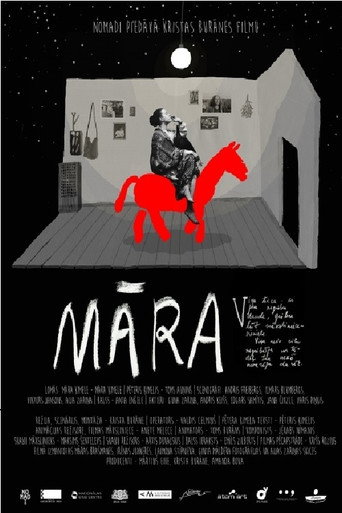
Māra
This creative documentary tells the story of women in art – what she has to sacrifice in her personal life and what choices have to be made in order to gain success in her career. The film explores life of artist, by following theatre director’s Mara Kimele's fighting relationships with her despotic grandmother Anna Lacis (widely known as Asya, whose life is closely tied to the names of Walter Benjamin and Bertolt Brech), cynical son Peteris (who is played by an actor) and work while she stages F. Dostoevsky's “Crime and Punishment”. Every character of film is an act. But does that make them any less real? And what is real in the world of art? Apart from its human character's, the film also has an animated one – the horse, who came into life through the first letter Mara wrote to her grand mother and has been following her ever since.
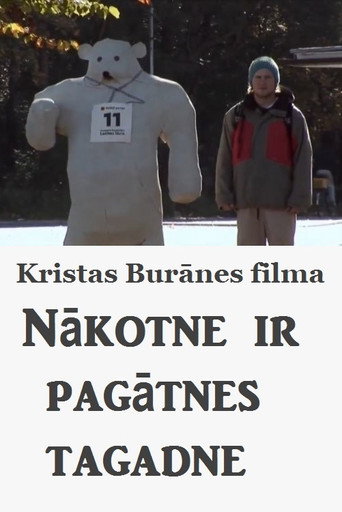
The Future is the Present of the Past
A tragicomedy about the actions of four youths during the 10th Latvian parliamentary elections, and in the 100 days afterwards. Each represents a different political party and set of beliefs. In a time when Latvia is dominated by political nihilism, this film explores the political ideals of young people and their motivation to work towards a better future for their nation – through their hopes, work, victories and disillusionment.
Gallery