Márta Fónay Movies, TV Shows, and Filmography

Márta Fónay
Acting
Biography
No biography available.
Filmography Movies
Acting
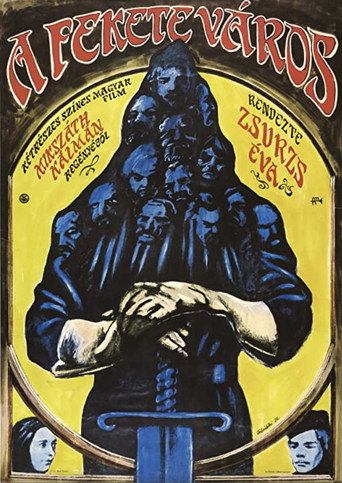
The Black City
Feature film version of the 1971 series. On the eve of the 18th century, County Vicecomes Görgey Pál broods alone in his manor while the town of Leutschau celebrates New Year’s with lead‐casting omens and a disastrous hunt that sparks a bitter feud. As Görgey fights for his honor and life, and the townspeople defend their Saxon privileges, their mutual blind ambition prevents them from seeing the rising light of Rákóczi’s coming rebellion.
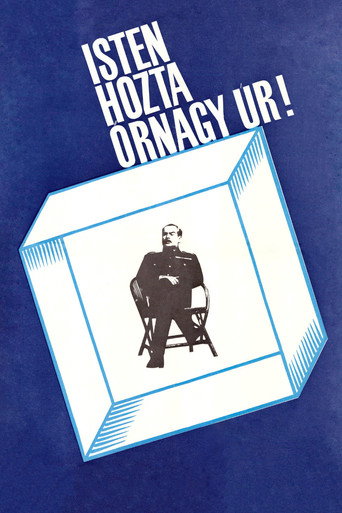
The Toth Family
The Toth family resides in Northern Hungary. The couple has a daughter and a son, the latter a member of the armed forces. When his weary major is ordered to take a vacation, the son talks him into a visit to his family home. Comedy ensues when the Toths go overboard trying to make things pleasant for the visiting major in hopes of an easier life for their son the soldier.
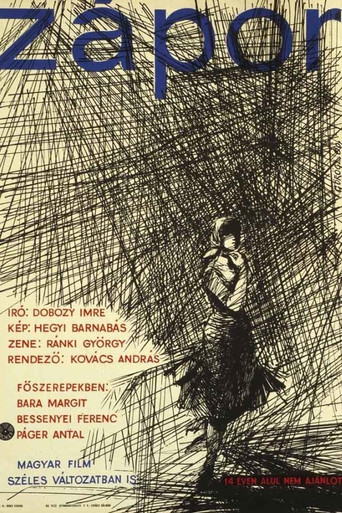
Summer Rain
Miskei, the popular and dynamic president of a co-op falls in love with Mari, the attractive wife of the elderly Pató. The deeply feeling woman is fed up with the service beside the haughty land holder, she is longing for tenderness and a child. The passion of Miskei is growing when he sees how crudely, humiliating Pató treats her. During a powerful summer shower, when chance brings them together in an abandoned press house, he storms on Mari confessing love. The woman refuses him bitterly. Miskei calms down and he keeps on expressing his love and high esteem with the woman by steadfast and tiny compliments. Early one morning Mari leaves her husband and sets off to the city to learn and to begin a new life.
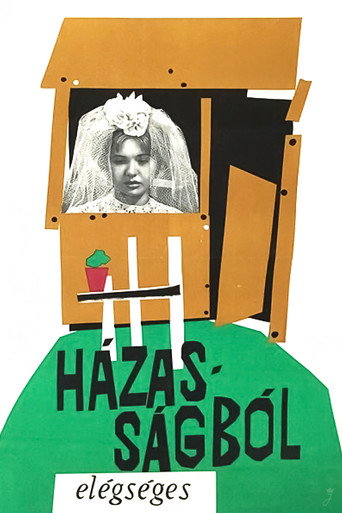
Házasságból elégséges
Blondie and Árpi love each other very much. She is a hairdresser, he is a confectioner. Blondie's parents are divorced and she lives with her grandmother. Árpi loves her parents, but has long been angry with her brother-in-law, whom she knows to be keeping a mistress. Pista turns the parents against Árpi, and after a quarrel, the boy decides to leave home. Then he has an even better idea: marry Blondie. She is just as much of a hebrensch, so she insists on marriage. It's summer, and the Árpi's move to their summer cottage on the top of the hill. But they are unprepared for independence, and so they have a series of conflicts. They quarrel badly, and Blondie moves back home. To Arpi's surprise, her father persuades her to make up with him. Blondie sulks at first, but her lover overcomes her resentment. They try again, together.
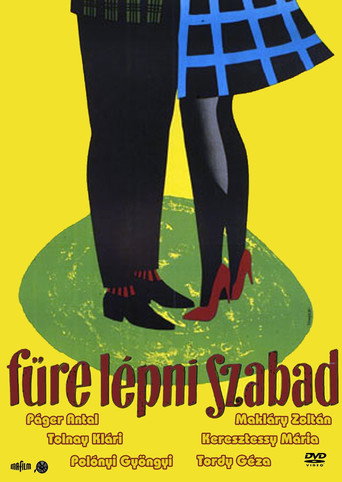
Don't Keep Off the Grass
Daddy Kárász, the stakhanovist worker, complains in a television interview about the fact that his family, consisting of many members, cannot get a home on their own. Kéri, the chairman of the local authority, promises to help him on the condition that if he does not, they may move in to his villa at elegant Pasarét. Nothing happens, therefore the Kárász family takes Kéri by his word. From this time on, tumultuous scenes and frequent quarrels take place in the villa between the two families.

Azurexpress
On the night before his wedding Tamás, a young teacher, saves a lonely girl named Teri from committing suicide. Since she has nowhere to go, he takes her back to his apartment and gives her some money. Another chance encounter with the girl complicates Tamás's honeymoon.
That Lovely Green Grass
Misu is spending his summer holiday in an old block of flats in Budapest. The caretaker of the house, Poldi, a park attendant by occupation, is going to retire in a few days and he is afraid to think ahead of the years to come without grass and trees. An idea comes to Misu to spend the summer in an active way. He organises a working party to sod the inner court of the block of flats they live in. To achieve his plan, he has to make alliances with some people and to win the opponent to the idea, namely Kamilla, an insurance consultant. Their assistants in this mission will be the dustman and the coal deliverer and Piroska, a girl spending her holyday at Kamilla's.
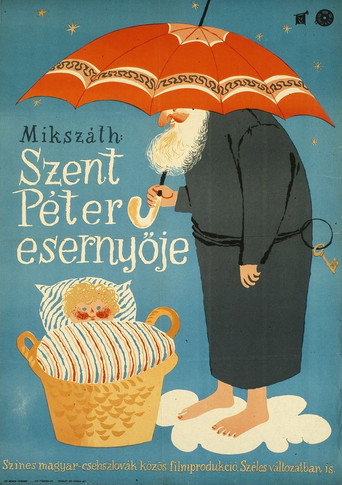
St. Peter's Umbrella
A comedy about a lost inheritance, love and a red umbrella, which, according to a local legend, belonged to St. Peter himself.
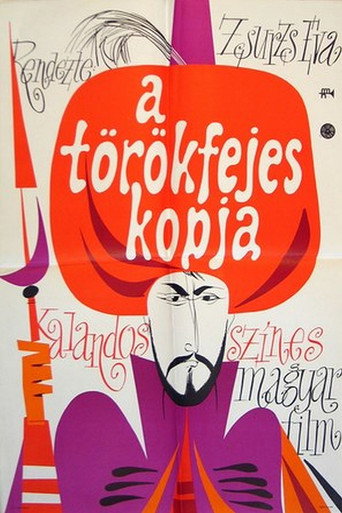
The Turkish Spear
The adventurous history film conjures up the way of life in the castles on the country border in the late 16th century. Dani is only six years old when agha Akibar and his troop kill his father and force his mother to go with them. He engraves the face of the Turk into a spearhead and swears that he will take revenge.
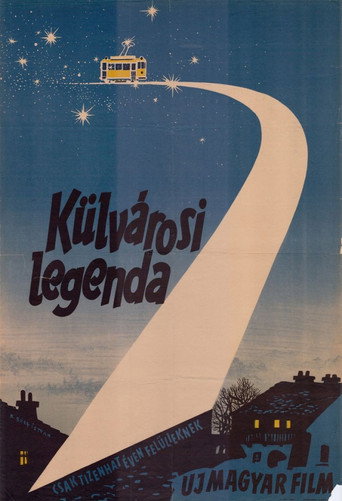
Suburban Legend
The film, depicting life in the tenement houses of Angyalföld in the thirties joins the neorealist currents of Hungarian film. Ambrus Pista, the good humoured, attractive tram conductor is loved by women for his excellent job as well. With his lover, the street-walker Terus they spy upon the neighbour as he beats his wife in jealousy.
Gallery