Camera
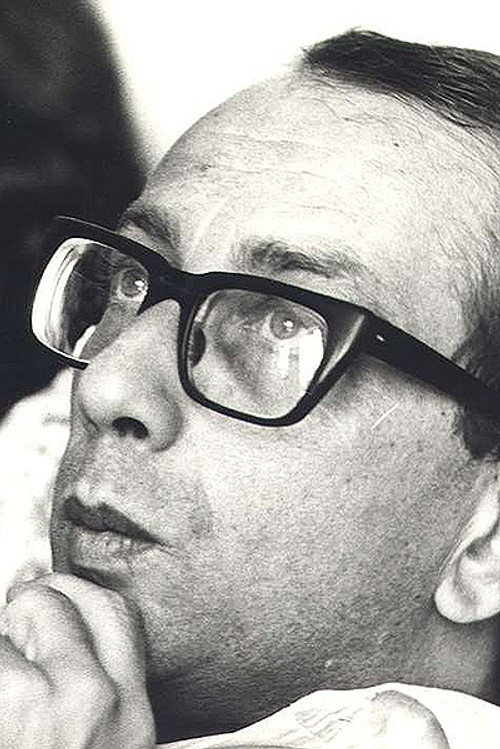
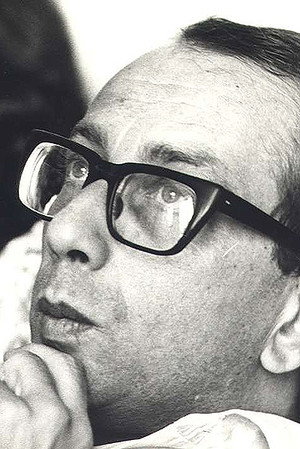
Mário Carneiro (Île de France, Paris, France, 1930 — Rio de Janeiro, September 2, 2007), was a Brazilian director of photography, painter, engraver, architect and filmmaker.
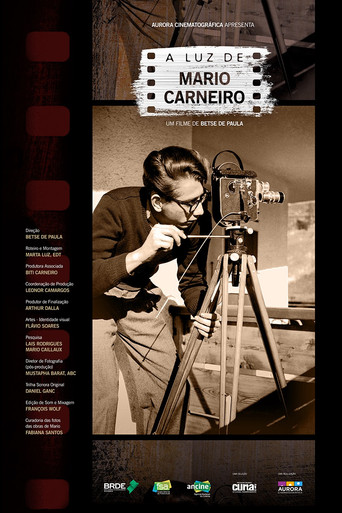
One of the most respected names in national cinema, always remembered for his work as cinematographer in the classics of Cinema Novo, Mario Carneiro is honored in this film.
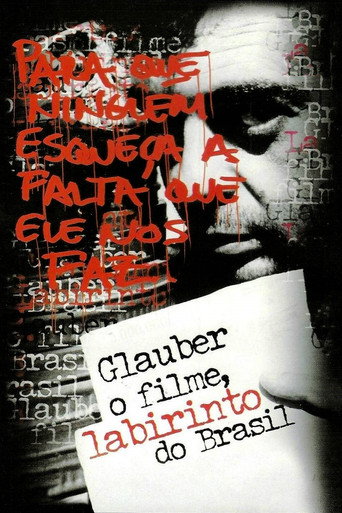
Documentary about Brazilian filmmaker Glauber Rocha, one of the most important names in the Cinema Novo, with interviews with some of his friends and colleagues.
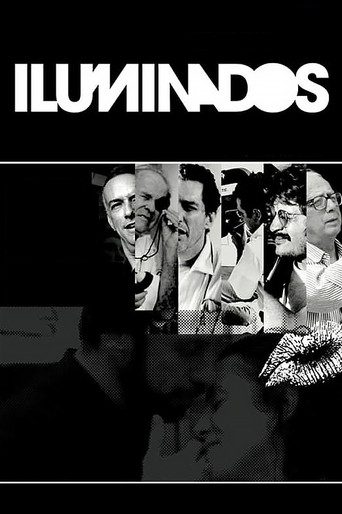
Documentary about the great Brazilian photographers who helped develop Brazilian cinema and their opinions on their work, making movies in Brazil and in general, and other subjects. As a bonus, they all agreed to shoot the same scene following their individual concepts, and the result is shown for comparison.
Follows the story of Opinião, a theatre group created in 1964 during the early Brazilian dictatorship period to oppose the government through artistic performances. Considered the first left-wing response to the dictatorship, the group gathered now famous Brazilian artists such as Nara Leão, Maria Bethânia, João do Vale and Millôr Fernandes.
A documentary about the artist Aloísio Magalhães.
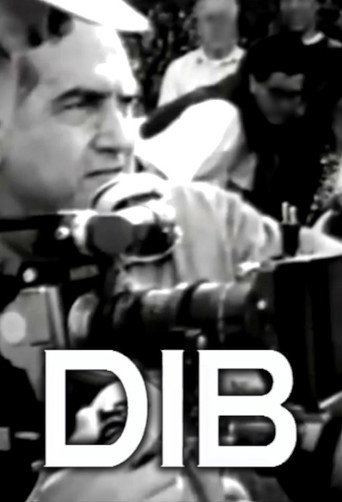
Documentary that addresses, through the testimony of directors and actors, the work of Dib Lutfi, considered one of the greatest photographers of Brazilian cinema.
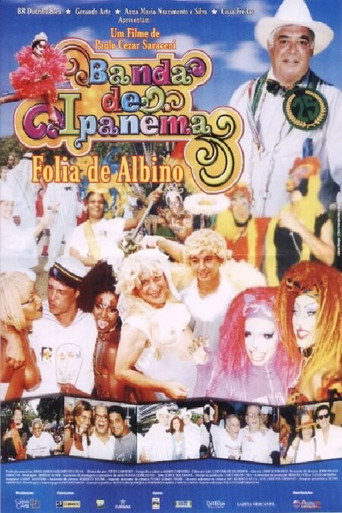
A movie about Banda de Ipanema, one of Rio de Janeiro’s most traditional Carnaval blocks, and its founder Albino Pinheiro.
A deep investigation, in the way of a poetic essay, on one of the main Latin American movements in cinema, analyzed via the thoughts of its main authors, who invented, in the early 1960s, a new way of making movies in Brazil, with a political attitude, always near to people's problems, that combined art and revolution.
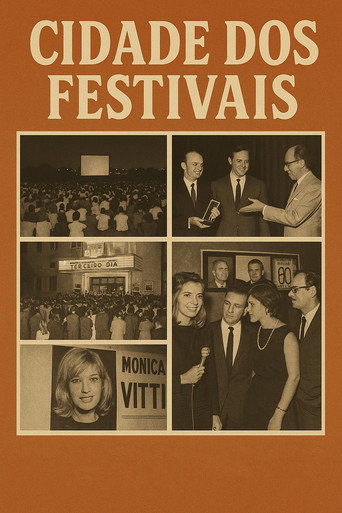
Historical film that rescues the memory of the early Brazilian film festivals through photos, films, testimonials, and posters.
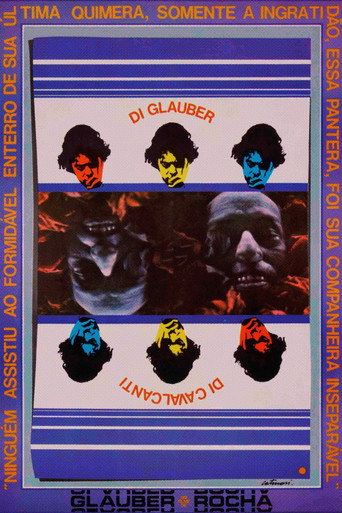
This controversial film from director Glauber Rocha records the funeral of his friend, major Brazilian painter Emiliano Di Cavalcanti.
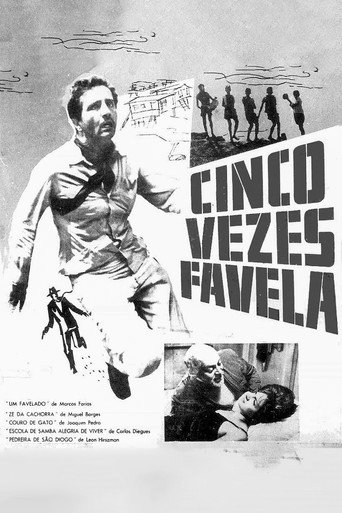
Five segments about the hardships faced by people living in slums on hills in Rio de Janeiro.
In Rio de Janeiro, a successful yet underpaid young accountant lives with his pregnant wife in small apartment in middle class neighborhood of Copacabana. Unsatisfied with their way of life, the couple decides to accept the offer of becoming housekeepers of a rich man's vacation residence in a beach town.
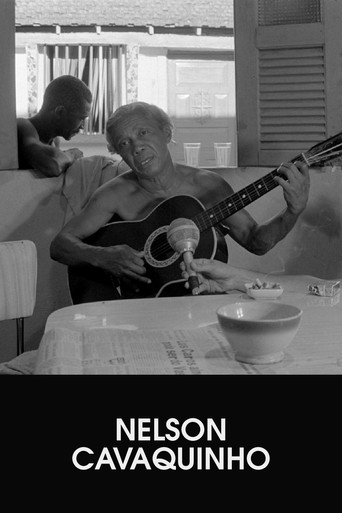
A short film of lovely poetic, observational elements and interviews with the famed samba singer/songwriter Nelson Antônio da Silva, whose adopted last name ‘Cavaquinho’ refers to the small guitar-like instrument that he played and used to compose his songs.
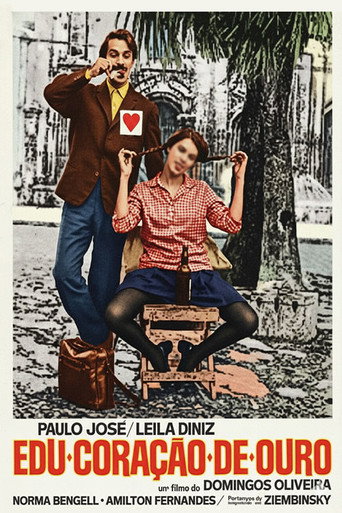
A volatile young man, Edu is a typical Rio de Janeiro middle-class kind, who flirts with multiple women at the same time. None of them, however, had managed to make him fall in love, until he met with mysterious Tatiana.
Helena, married to decorator Bruno, is a woman dissatisfied with the futility of social life. She rekindles her relationship with her former boyfriend, Clóvis, and discovers how difficult the struggle for happiness is by seeing the example of the less fortunate. After saving herself from the rough seas on the beach, Helena finds herself possessed by a mystical fear. On New Year's Eve, while the people celebrate Iemanjá, Helena and Bruno throw a lavish party. Their employee, Luiz, is arrested as a suspect in the death of a woman found on the beach. Having a disagreement with her husband, Helena leaves the party and throws herself into the sea. She is saved by Umbanda followers and welcomed by Bruno, who tries in vain to comfort her.
When womanizer Paulo meets a friend’s fiancée, she changes the way he looks at the opposite sex. He falls in love, and believes she is in fact all women in one. Because of that, he has to face an important decision: to go on with his old life, or embrace this special relationship and become a monogamous man.
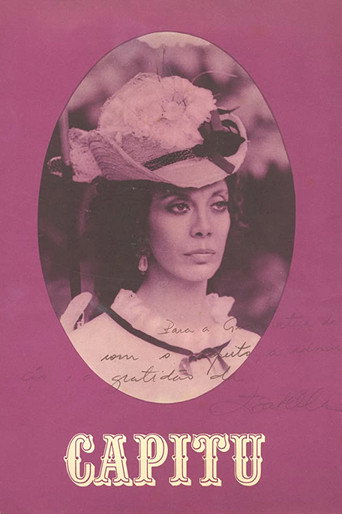
Adaptation of Machado de Assis’s classic novel “Dom Casmurro”. Bentinho and Capitu are friends since childhood and end up marrying. But Bentinho destroys his life when he starts suspecting Capitu has an affair with his best friend and that his son is not really his.
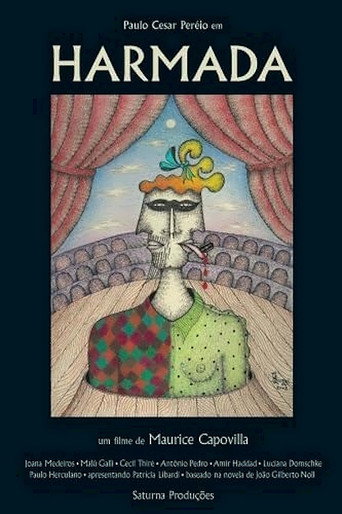
A failed artist searching strength to move ahead. By a young lady, who might be his daughter, he develops a project that changes his destiny.