Acting
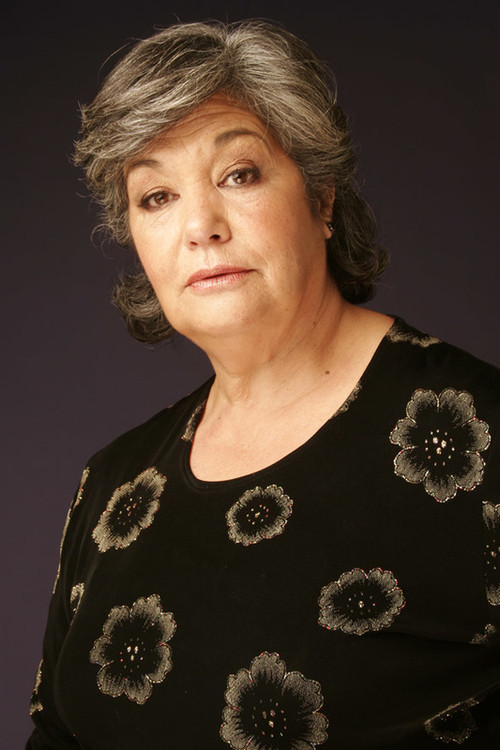
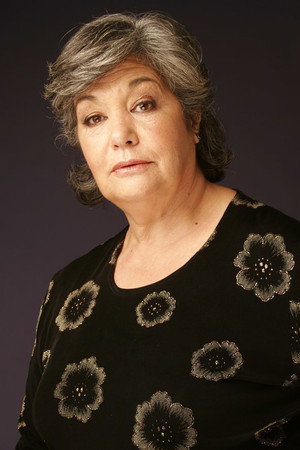
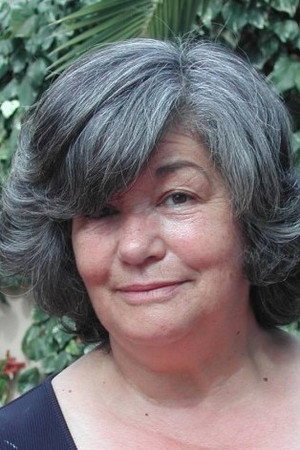
Márcia Breia is a Portuguese stage, film and television actress.
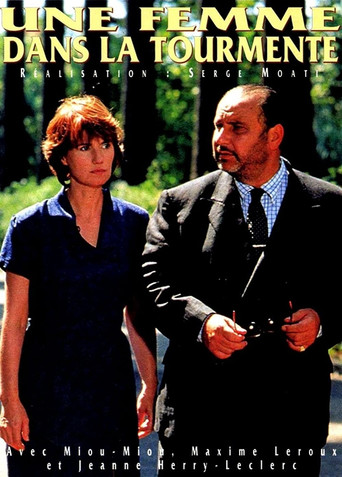
Michèle is the new French consul in a South American country. She quickly discovers that the government is, in fact, a dictatorship. Moreover, her seventeen-year-old daughter is involved in the revolution against the regime.
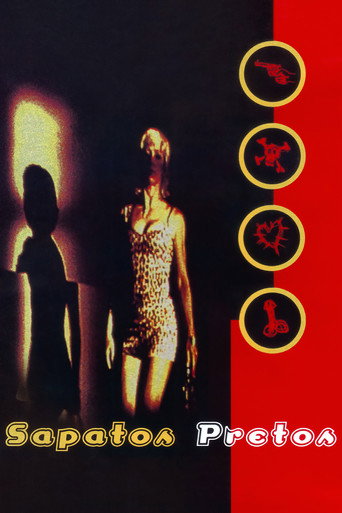
Alexandra Lencastre plays a woman who believes she is President of the U.S.A.
In today's Alentejo, a story of love and death based in a real criminal case.
A teenage girl, Norah (Marie Kremer), living with her depressed father, Jean-Michel (Thierry Lefevre), in Luxembourg, obsesses over the whereabouts of her missing mother, who left them both when Norah was still a newborn. Norah is a misfit and devotes her energy to helping others and conversing with an imaginary friend. But, when she receives information pertaining to the possible location of her mother, Norah has to seriously think about inviting the woman back into her life.
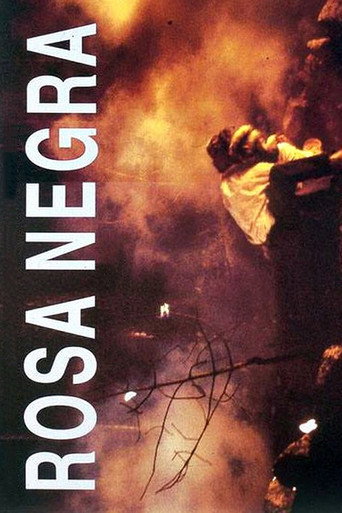
Fernanda, António and Quim are travelling by train to a provincial Portuguese industrial city. Fernanda, a teacher, agrees to replace a pregnant colleague. António is returning to the home he was forced to flee long ago, accused of setting fire to the Duarte’s factory. At the station he bumps into Mariana who is in love of him. António is not welcome and is violently attacked by a group connected to Duarte ...
Between February and July 1858, in the Massabielle cave, the Virgin appeared eighteen times to Bernadette Soubirous, a miserable little girl from Lourdes. A true revolution in the heart of the Second Empire that shakes the established order by his universal message of love and prayer.
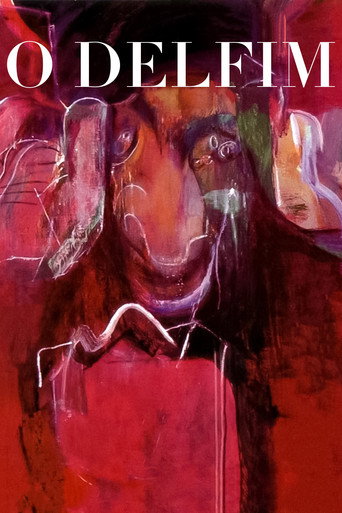
A wealthy landowner, "The Dauphin," enjoys a decadent life of hunting, drinking, and womanizing. He oversees his estate, the Laguna, with his barren wife, his one-armed manservant, and his treasured guard dog. When a sportsman (the film’s narrator) comes to the estate for his annual duck-hunting excursion, he discovers the body of the landowner’s wife floating in the lagoon and the manservant dead on his master’s bed. The Dauphin and his dog are nowhere to be found except for the mysterious barking sounds heard over the lagoon.
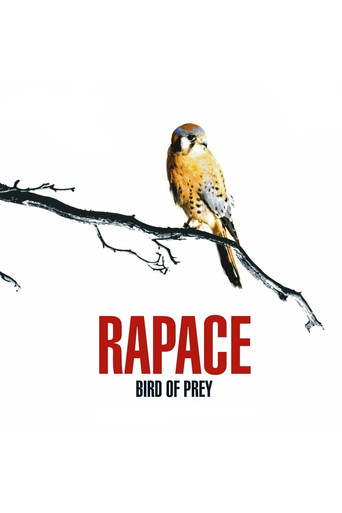
After finishing his MA in Anthropology, Hugo spends his days giving his brain a rest from the endless reading of texts by unknown authors. His only company is Luisa, the cleaning lady, with whom he plays cat and mouse. To escape the sleep of reason – which creates monsters -, Hugo exercises his lyrical vein by writing, with his friend Manuel, songs about their neighbourhood. The quiet dilettantism of our protagonist is shaken by Catarina, a young and beautiful translator who’s starting her professional life as a freelancer. Hugo is hooked and wavers. High above, a kestrel falcon hovers. It’s not the only bird of prey that can do it.
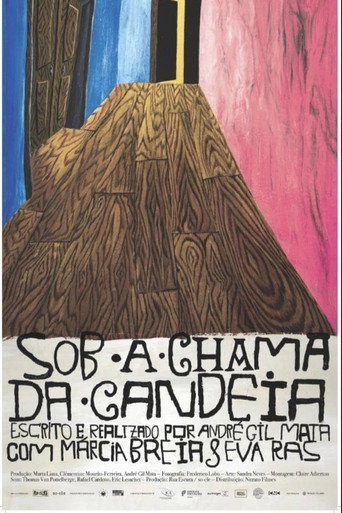
Northern Portugal. An imposing residence with its garden and magnolia tree. As we know, home is a place that film, this outdoor art, has often used to depict less the joys of family life than a pernicious space. André Gil Mata has made it his stage, with its rooms, its furniture, what plays out there and what has already played out there. From one room to another, from one era to another, the film delves deep into this enclosed space, a kind of suffocating box.
He and she don't know each other. They randomly meet at a gas station, while drifting. "Where are we going? Far away. Where is that? Near."