Art
No biography available.
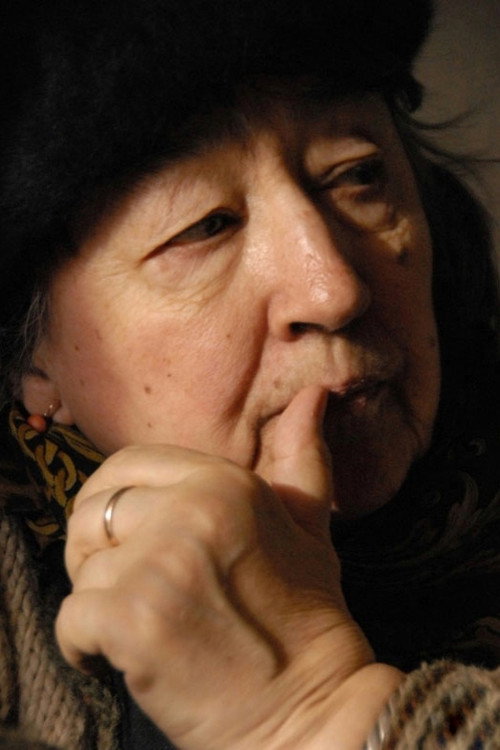
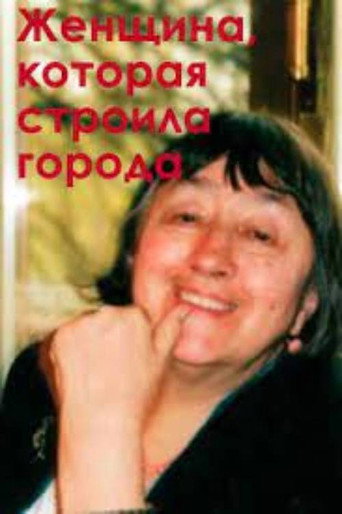
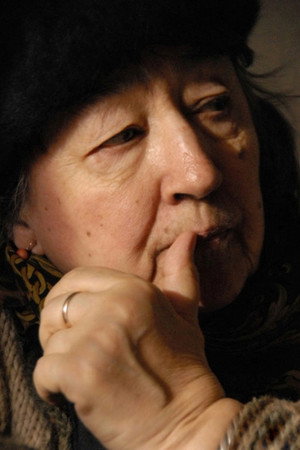
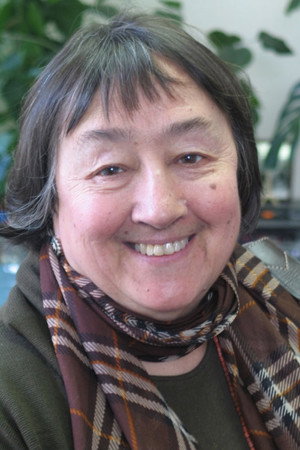
The picture is dedicated to the fate of Lyudmila Mikhailovna Kusakova - production designer of the Mosfilm film studio, who created costumes and sets for the cult Soviet films Anna Karenina, Pomegranate Bracelet, Aybolit-66, Ordinary Miracle, Pokrovskie Gates and many , many others.
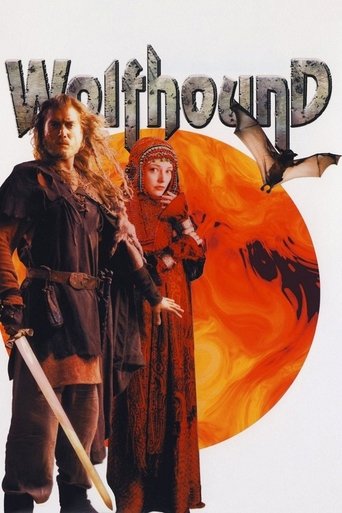
He was doomed to die, but managed to survive, and now his mission is to revenge for the annihilation of his tribe. He is the great warrior who calls himself Volkodav, and is the last man from the tribe of Serie Psi (Grey Hounds). After escaping certain death, Volkodaw — accompanied by Neletuchaya Mysh — is on a mission to kill Ludoed who is responsible to what happened to Serie Psi.
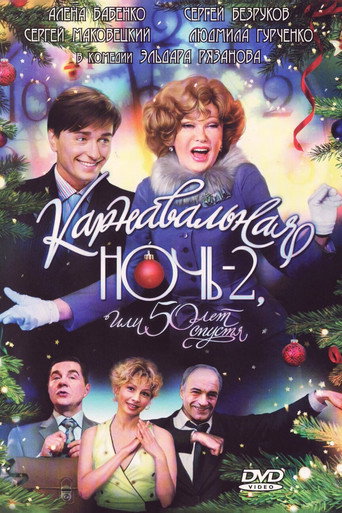
The author's remake of the famous New Year's comedy is not an exact copy of the original. Festive mess in the same House of Culture, where they celebrated the New Year 50 years ago. Now the institution is named after Ogurtsov and is headed by Mr. Kabachkov. A young enthusiast Alyona Krylatova and a young man Denis Kolechkin work in the recreation center. Alyona, as she can, opposes the "arts" of the bureaucrat and opportunist Kabachkov, and Denis helps her.
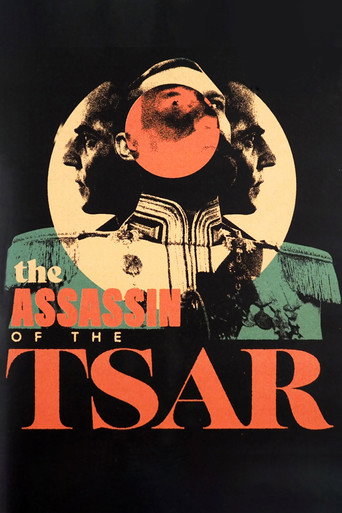
A new doctor from Moscow arrives at a provincial mental institution. His interest is the peculiarities of the psyche of a patient who believes that he is Yakov Yurovsky, the man who assassinated the last Russian tsar. In the course of their conversations it transpires that the patient is a kind of philosopher, not without a gift for suggestion. In a while the doctor himself falls under his patient’s influence: he tends to relive that fatal night of June 16-17, 1918 when, without any investigation or trial, Tsar Nicholas II, who had recently abdicated, was murdered, together with his wife, daughters and incurably ill heir. Soon the doctor realizes that the tragedy of the last Russian tsar is in part his own tragedy, too...
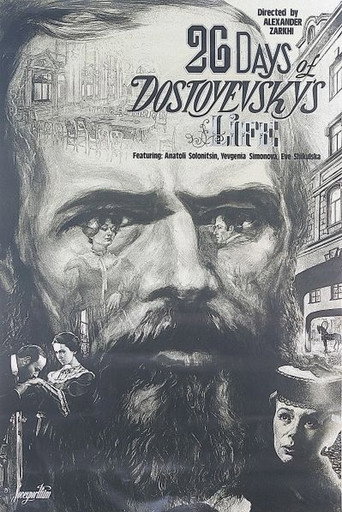
Twenty-Six Days in the Life of Dostoyevsky was entered on February 16th at the 1981 Berlin Film Festival to commemorate the 100th anniversary of Dostoyevsky's death on February 9th, 1881, and won a "Best Actor" award for Anatoly Solonitsyn as Dostoyevsky. Solonitsyn was a favorite actor in Andrei Tarkovsky's films, and this was to be his penultimate role. This brief imaginary period in the famed Russian writer's life encapsulates one of his darker moments in 1866. At that time he was still a relatively unknown writer whose first widely acclaimed work, Crime and Punishment, was just on the horizon. His life was at a very low ebb as he struggled with debts he could not pay, and as he fought depression over the loss of his wife to tuberculosis, and the death of his brother, who was very close to him. His first literary journal had to be scrapped because of political reasons, and the second venture needed funding.
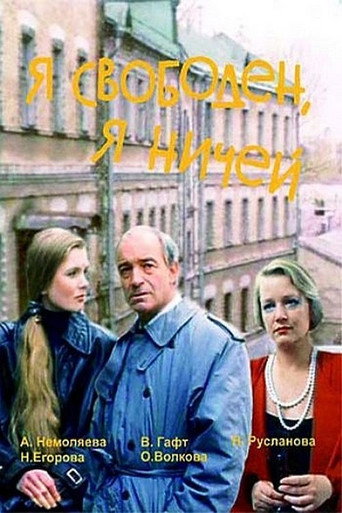
The hero of the film, afraid of losing both his wife and his mistress, is ultimately left alone.
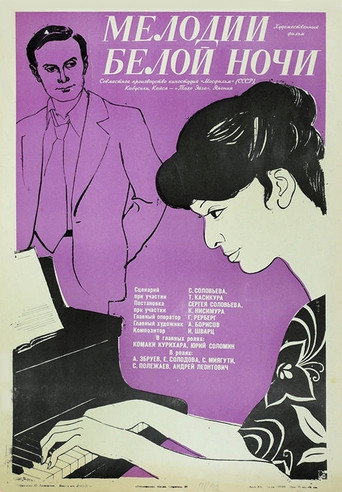
A Russian composer and Japanese pianist enter a relationship strained by their geographic and cultural boundaries.
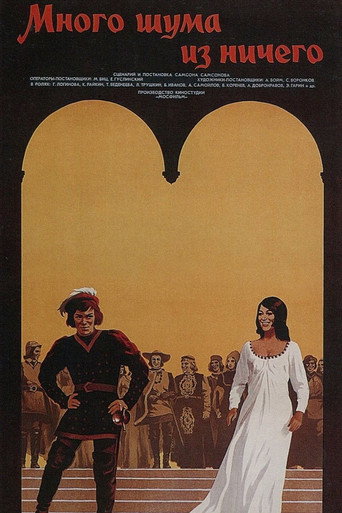
Young lovers Hero and Claudio, soon to wed, conspire to get verbal sparring partners and confirmed singles Benedick and Beatrice to wed as well.
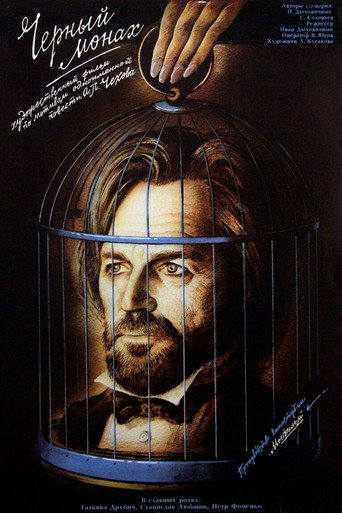
Man who talks with a ghost called Black Monk is forced to see a doctor. After the treatment, he loses his ability to communicate with the ghost, becoming angry, violent and utterly unhappy.
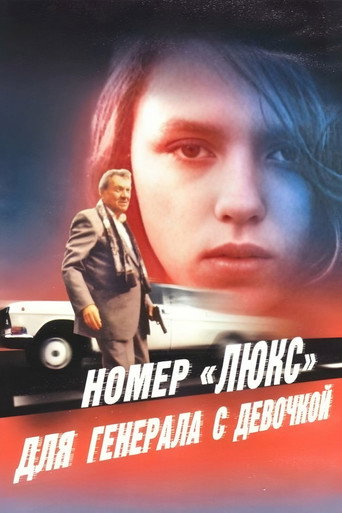
Шестнадцатилетняя Люська сбегает из дома, где отчим не дает ей прохода, и знакомится с карточным шулером по фамилии Бристоль. Друзья ласково называют, уже далеко немолодого Константина, Котей. И вот старик и почти еще ребенок сдружились и вместе начинают опасную авантюру.