Lynn Hershman-Leeson Movies, TV Shows, and Filmography
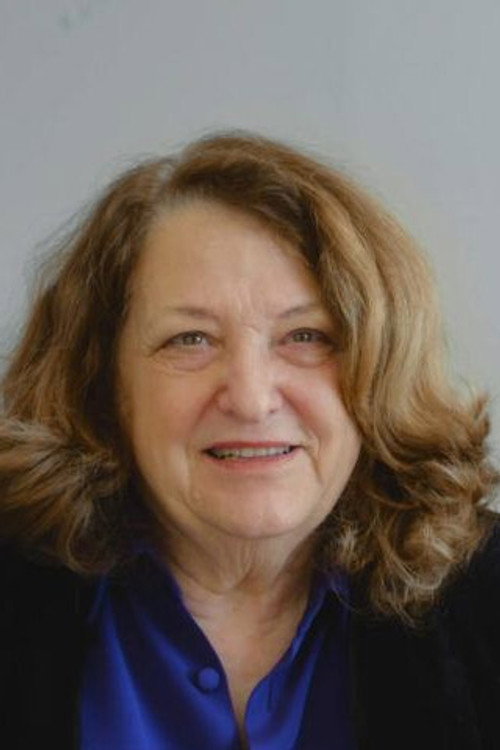
Lynn Hershman-Leeson
Directing
Biography
Over the last five decades, artist and filmmaker Lynn Hershman Leeson has received international acclaim for her art and films. She is recognized for her innovative work investigating issues that are now recognized as key to the workings of society: the relationship between humans and technology, identity, surveillance, and the use of media as a tool of empowerment against censorship and political repression. She is considered one of the most influential media artists and has made pioneering contributions in photography, video, film, performance, installation and interactive as well as net-based media art. Her activist films on injustice within the art world and society at large have been praised worldwide. !Women Art Revolution! won first prize in the Montreal Festival for Films on Art and hailed by the Museum of Modern Art as one of the three best documentaries of 2012. Holland Cotter of the New York Times called it “the most comprehensive documentary ever made on the feminist art movement.” Her 2009 film Strange Culture – which the NY Time deemed “the perfect balance of form and content” and The Nation called “a brilliant and moving examination of fear and its manipulation” – resulted in the the release of an artist facing a prison sentence of 23 years.
Filmography Movies
Acting
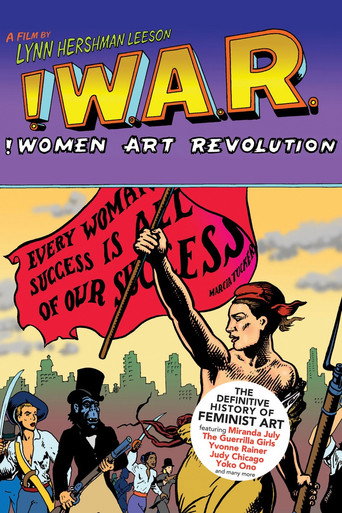
!W.A.R.: !Women Art Revolution
Through intimate interviews, provocative art, and rare, historical film and video footage, this feature documentary reveals how art addressing political consequences of discrimination and violence, the Feminist Art Revolution radically transformed the art and culture of our times.
Desire Inc.
Four "seduction ads" placed on cable TV stations invite unexpected responses. This short film is about fantasy and desire in a mediated world.
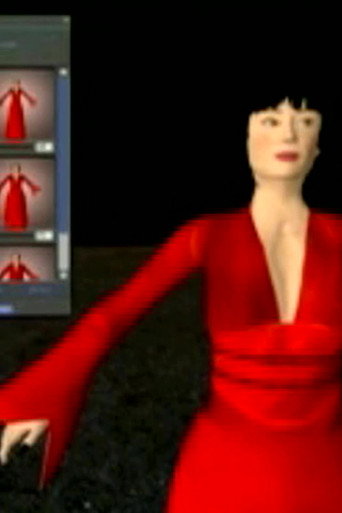
Life Squared
This project uses mixed reality convergence through which users can participate in some of the digital existing archive of Lynn Hershman Leeson, now housed in the Special Collections Library at Stanford University. Created in 2006, this project is one of the first artist archive projects in Second Life and has been exhibited at the Museum of Contemporary Art Montreal, ISEA and San Francisco Museum of Modern Art.
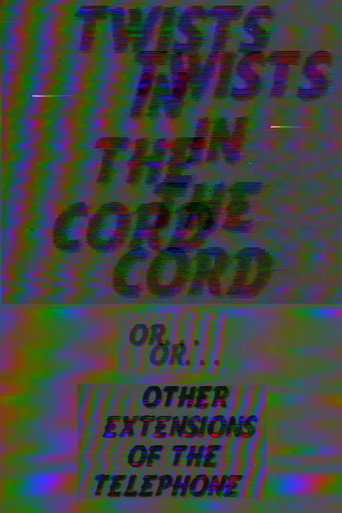
Twists in the Cord (or) … Other Extensions of the Telephone
This docudrama presents the history of the telephone, updated and told from the point of view of a character who uses the screen as both a connection to intimacy and a condom for safe sex.
CyberBaby
In this video series an individual confronts fears and, through the process of confessing directly to the camera, transcends trauma. It is also about agin, longing, the delusions and misconceptions we are encumbered with as we mature towards self-awareness, and the masks we assume to deny or hide understanding. The tapes rupture, fracture, and use digital effects to mirror the psychological changes of the protagonist.
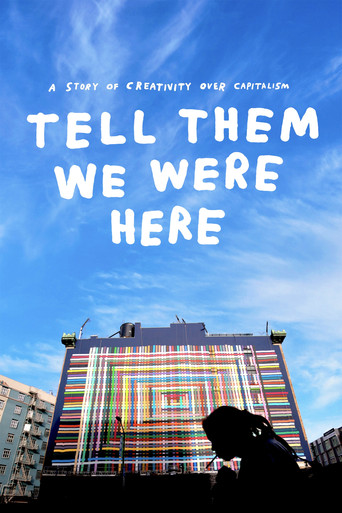
Tell Them We Were Here
Tell Them We Were Here is an inspirational feature-length documentary about eight artists who show us why art is vital to a healthy society and reminds us that we are stronger together.

Conceiving Ada
Emmy Coer, a computer genius, devises a method of communicating with the past by tapping into undying information waves. She manages to reach the world of Ada Lovelace, founder of the idea of a computer language and proponent of the possibilities of the "difference engine." Ada's ideas were stifled and unfulfilled because of the reality of life as a woman in the nineteenth century. Emmy has a plan to defeat death and the past using her own DNA as a communicative agent to the past, bringing Ada to the present. But what are the possible ramifications?
Production
Bonwit Windows
Documentary about an art installtion.
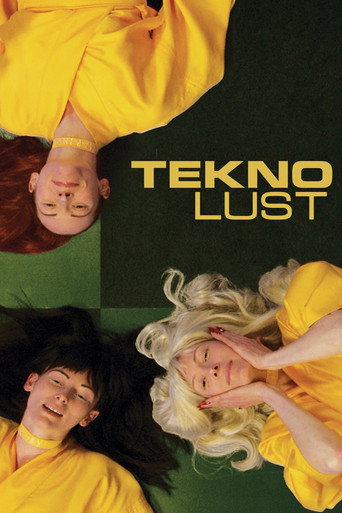
Teknolust
Anxious to use artificial life to improve the world, Rosetta Stone, a bio-geneticist creates a Recipe for Cyborgs and uses her own DNA in order to breed three Self Replicating Automatons, part human, part computer named Ruby, Olive and Marine.
!W.A.R.: !Women Art Revolution
Through intimate interviews, provocative art, and rare, historical film and video footage, this feature documentary reveals how art addressing political consequences of discrimination and violence, the Feminist Art Revolution radically transformed the art and culture of our times.
Conceiving Ada
Emmy Coer, a computer genius, devises a method of communicating with the past by tapping into undying information waves. She manages to reach the world of Ada Lovelace, founder of the idea of a computer language and proponent of the possibilities of the "difference engine." Ada's ideas were stifled and unfulfilled because of the reality of life as a woman in the nineteenth century. Emmy has a plan to defeat death and the past using her own DNA as a communicative agent to the past, bringing Ada to the present. But what are the possible ramifications?
Conceiving Ada
Emmy Coer, a computer genius, devises a method of communicating with the past by tapping into undying information waves. She manages to reach the world of Ada Lovelace, founder of the idea of a computer language and proponent of the possibilities of the "difference engine." Ada's ideas were stifled and unfulfilled because of the reality of life as a woman in the nineteenth century. Emmy has a plan to defeat death and the past using her own DNA as a communicative agent to the past, bringing Ada to the present. But what are the possible ramifications?
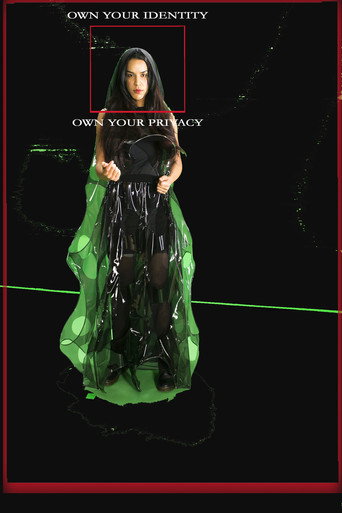
Shadow Stalker
Shadow Stalker outlines the history of Predictive Policing, Digital Identity Theft and the dangers of Data Mining, that uses algorithms, performance and projections to make visible private Internet systems that are increasingly used by law enforcement and promote racial profiling. Drawing on a network of critical thinkers on surveillance and machine learning, Hershman Leeson abstracts the red square zone into a specter that haunts the work. Where one falls on the map in relation to this red square becomes a proxy for who one is-location, a proxy for identity.
Shadow Stalker
Shadow Stalker outlines the history of Predictive Policing, Digital Identity Theft and the dangers of Data Mining, that uses algorithms, performance and projections to make visible private Internet systems that are increasingly used by law enforcement and promote racial profiling. Drawing on a network of critical thinkers on surveillance and machine learning, Hershman Leeson abstracts the red square zone into a specter that haunts the work. Where one falls on the map in relation to this red square becomes a proxy for who one is-location, a proxy for identity.
Shadow Stalker
Shadow Stalker outlines the history of Predictive Policing, Digital Identity Theft and the dangers of Data Mining, that uses algorithms, performance and projections to make visible private Internet systems that are increasingly used by law enforcement and promote racial profiling. Drawing on a network of critical thinkers on surveillance and machine learning, Hershman Leeson abstracts the red square zone into a specter that haunts the work. Where one falls on the map in relation to this red square becomes a proxy for who one is-location, a proxy for identity.
Shadow Stalker
Shadow Stalker outlines the history of Predictive Policing, Digital Identity Theft and the dangers of Data Mining, that uses algorithms, performance and projections to make visible private Internet systems that are increasingly used by law enforcement and promote racial profiling. Drawing on a network of critical thinkers on surveillance and machine learning, Hershman Leeson abstracts the red square zone into a specter that haunts the work. Where one falls on the map in relation to this red square becomes a proxy for who one is-location, a proxy for identity.
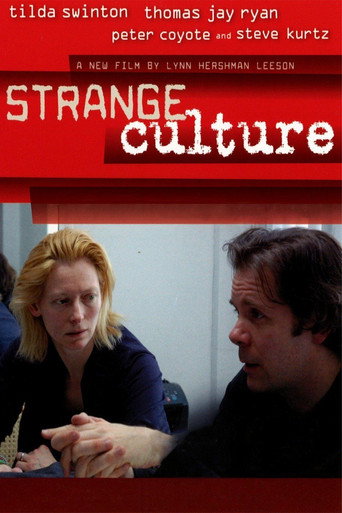
Strange Culture
The film examines the case of artist and professor Steve Kurtz, a member of the Critical Art Ensemble (CAE). The work of Kurtz and other CAE members dealt with genetically modified food and other issues of science and public policy. After his wife, Hope, died of heart failure, paramedics arrived and became suspicious when they noticed petri dishes and other scientific equipment related to Kurtz's art in his home. They summoned the FBI, who detained Kurtz within hours on suspicion of bioterrorism.
Gallery