Lutz Dammbeck Movies, TV Shows, and Filmography
Lutz Dammbeck
Directing
Biography
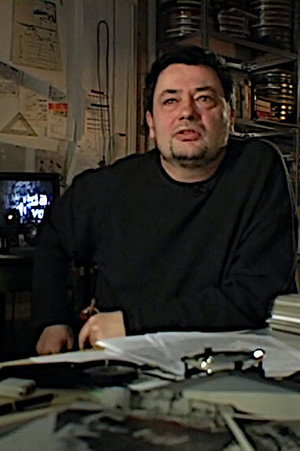
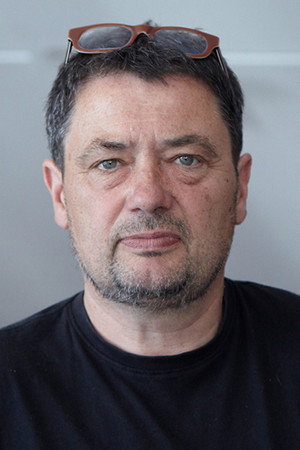
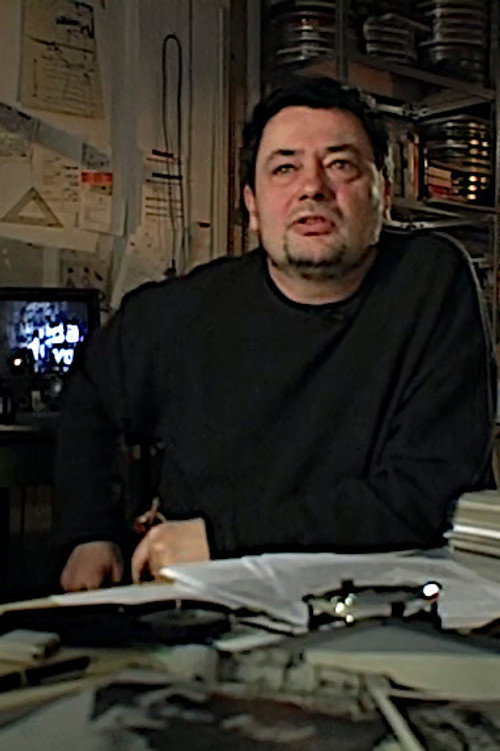
Lutz Dammbeck was born in 1948 in Leipzig (East Germany). He studied graphic design. In the 1970s he started out as a painter and graphic designer while discovering animated film as a means of experimenting and expression. Until 1986 he produced his films in East Germany for production company DEFA. In 1986 he emigrated to West Germany in order to continue with his Herakles-project that was rejected by East German authorities. This project included films, installations, paintings and performances. It was pursued until 2002. Since the 1990ies Dammbeck turned his focus from animated shorts to documentaries about the art world.
Filmography Movies
Acting
REALFilm
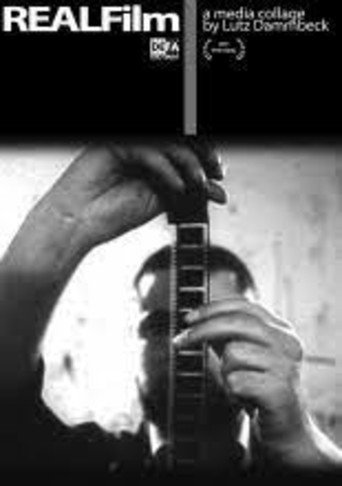
This multimedia collage, which includes performances by pantomime artist and dancer Fine Kwiatkowski, painter and filmmaker Lutz Dammbeck and musician Robert Linke, is a reflection on the medium of film and its elements: sound, light and movement. Dammbeck’s goal is to cleanse these elements of ideology and commerce and compose a new film out of them. The process is played out in the space in real time.
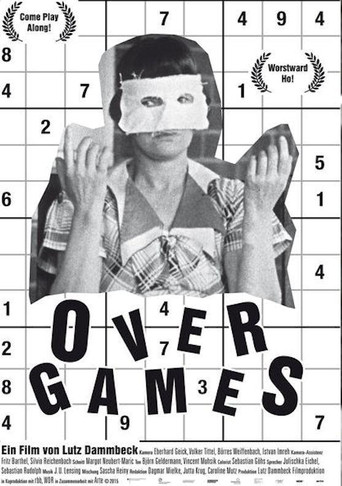
Overgames
On a talkshow, actor and German TV ikon Joachim Fuchsberger recalls how the games for his show "Nur nicht nervös werden" (Don't Get Nervous), first broadcast on West German TV in 1960, were developed along the lines of American psychiatry. Asked "So how many crazy people watched you?", he responded: "A whole crazy, psychologically disturbed nation". Why were the Germans or to be more precise, the West Germans, a psychologically disturbed nation at that time? This is a film about cheerful and serious games, therapies for re-education and self-imposed re-education, as well as the history of the idea of permanent revolution. Those appearing include directors and producers of gameshows, psychiatrists, anthropologists, and the diversely paranoid.
The Master Game
At the Vienna Art Academy in 1994, an unidentified person painted over 27 works by Austrian painter Arnulf Rainer. Rainer had become world-famous for his abstract art and, in particular, for his over-layering of photographs and overpainting of his own and other artists’ works. But who painted over the “overpainter”? Speculation rages: Did he attack his works himself? A year later, an unsigned letter surfaces claiming responsibility for the act directed against Rainer – and modern art in general – and accusing the artist of being complicit with “destructive modernism.” At the same time, Austria is shaken by a series of mail bombs by the Bajuwarian Liberation Army, in response to the supposed threat to Austria’s “German identity.” Are there connections between the overpainting event and the mail bombs? Or is this all just a game? A dream? Or perhaps a hallucination?
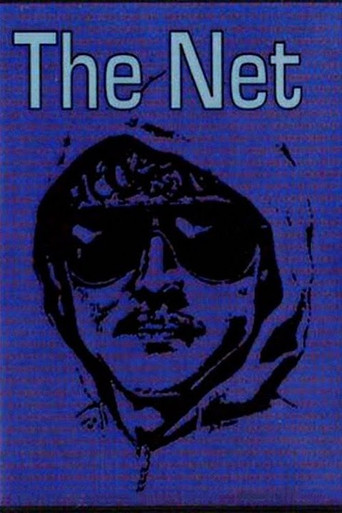
The Net
Explores the incredibly complex backstory of Ted Kaczynski, the infamous Unabomber. This exquisitely crafted inquiry into the rationale of this mythic figure situates him within a late 20th century web of technology—a system that he grew to oppose. A marvelously subversive approach to the history of the Internet, this insightful documentary combines speculative travelogue and investigative journalism to trace contrasting countercultural responses to the cybernetic revolution.
From Stag Beetle to Swastika
From Stag Beetle to Swastika narrates in a richly detailed, associative montage the boundless possibilities of manipulating images and using images to seduce.
The Painter Came From a Foreign Land
In this film, Dammbeck explores his own decision to relocate to Hamburg, West Germany, and tries to sort out his past as an artist. In the process, he interviews artists Cornelia Schleime, Hans-Hendrik Grimmling, and Hans Scheib, who had been core members of the alternative art scene in East Germany. They had all worked together in the 8mm scene and organized or planned multimedia and crossover exhibitions, including Tangents I in 1976-77 and the First Leipzig Autumn Salon in 1984. Each left for West Germany in the mid-1980s. What has become of their former artistic strategies and positions? How do they deal with their past? What is the force behind their art now? And how do they cope with the western art market?
Production
Metamorphoses I
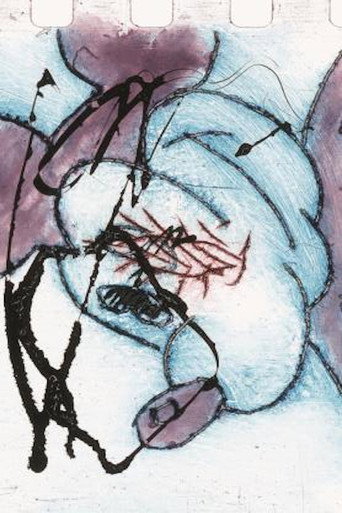
For the multimedia exhibition Tangenten I (Tangents I), Dammbeck and co-organizer, sculptor and painter Frieder Heinze had planned to collaborate on a film that would combine non-camera animation with 35mm footage of a train ride between the two Dresden districts of Radebeul and Pieschen. When the exhibition was banned in 1978, Heinze turned to other projects, but Dammbeck continued working on the film by himself. Metamorphoses I—the first experimental film ever to be shown publicly in East Germany—marks the filmic beginning of Dammbeck’s long-term art project the Herakles-Konzept (Hercules Concept).
Metamorphoses I
For the multimedia exhibition Tangenten I (Tangents I), Dammbeck and co-organizer, sculptor and painter Frieder Heinze had planned to collaborate on a film that would combine non-camera animation with 35mm footage of a train ride between the two Dresden districts of Radebeul and Pieschen. When the exhibition was banned in 1978, Heinze turned to other projects, but Dammbeck continued working on the film by himself. Metamorphoses I—the first experimental film ever to be shown publicly in East Germany—marks the filmic beginning of Dammbeck’s long-term art project the Herakles-Konzept (Hercules Concept).
The Master Game
At the Vienna Art Academy in 1994, an unidentified person painted over 27 works by Austrian painter Arnulf Rainer. Rainer had become world-famous for his abstract art and, in particular, for his over-layering of photographs and overpainting of his own and other artists’ works. But who painted over the “overpainter”? Speculation rages: Did he attack his works himself? A year later, an unsigned letter surfaces claiming responsibility for the act directed against Rainer – and modern art in general – and accusing the artist of being complicit with “destructive modernism.” At the same time, Austria is shaken by a series of mail bombs by the Bajuwarian Liberation Army, in response to the supposed threat to Austria’s “German identity.” Are there connections between the overpainting event and the mail bombs? Or is this all just a game? A dream? Or perhaps a hallucination?
Duerers Heritage
Dammbeck, himself an alumnus of the Leipzig Academy for Graphic and Book Design, presents the origins of the new German realism developed by the so-called Leipzig School, which took place in the context of socialist-realist dogma in the GDR before the Wall was built in 1961. After the Wall came down in 1989, what happened to the major Leipzig School painters Werner Tübke and Bernhard Heisig, who had been called “Dürer’s red heirs” by West German journalists in the 1970s? In the film, Tübke, Heisig, and former GDR officials who were involved with the cultural scene in Leipzig at the time talk about modernism, conformism, political pressure, party discipline, personal claims, and fading memory. The documentary paints an insightful, often critical picture of early East German art history.
Live!
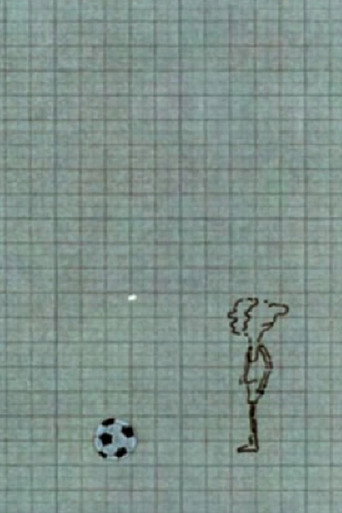
This short film traces the story of a man from birth to old age. The magical dreams of his youth appear from time to time, but daily routine quickly takes over. His striving for material wealth – including a Trabant car, a shelving unit, a boat – leads him to betray his youthful ideals, and he ultimately becomes a slave to his possessions. In the final frames of the film, “LIVE” – written in large white letters – ironically reminds viewers not to forget to follow their dreams.
The Net
Explores the incredibly complex backstory of Ted Kaczynski, the infamous Unabomber. This exquisitely crafted inquiry into the rationale of this mythic figure situates him within a late 20th century web of technology—a system that he grew to oppose. A marvelously subversive approach to the history of the Internet, this insightful documentary combines speculative travelogue and investigative journalism to trace contrasting countercultural responses to the cybernetic revolution.
The Net
Explores the incredibly complex backstory of Ted Kaczynski, the infamous Unabomber. This exquisitely crafted inquiry into the rationale of this mythic figure situates him within a late 20th century web of technology—a system that he grew to oppose. A marvelously subversive approach to the history of the Internet, this insightful documentary combines speculative travelogue and investigative journalism to trace contrasting countercultural responses to the cybernetic revolution.
Duke Ernest
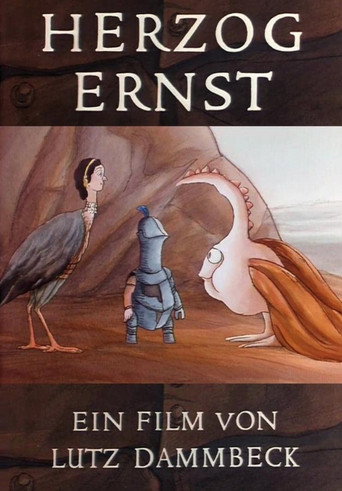
Young Duke Ernest wants to become a good knight. The circumstances are not in his favour: The emperor wants to claim the Duke's castle and marry his mother. He has Ernest wrongfully accused of murder and thrown in the dungeon. Duke Ernest's only chance to escape a death sentence is to join the army and to go to the orient in search of the legendary Carbuncle Stone. He'll have to overcome carnivorous rocks, magnetic mountains, the giant bird Rock and many more.
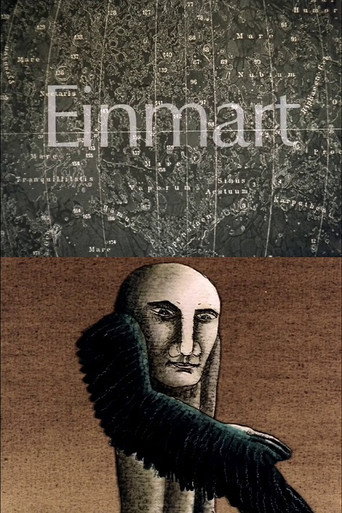
Einmart
The very first images in the film set unprecedented standards in East German animated film: a Buñuelean eye that fills the entire screen, real-life sequences of fleeing animals and a sound collage running contrary to what is seen on the screen. This also extends to the protagonist of the film, a head on a foot without a body or arms who pads wearily through the depressing surroundings. Upon seeing various figures in the sky, he begins to copy their movements. To his surprise, he himself manages to grow wings and takes to the skies. But his attempt at flight ends in a sobering manner however, as it is revealed that flying creatures are just restricted in their range.
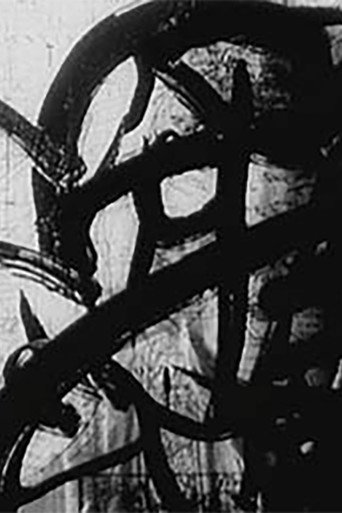
Hommage to La Sarraz
Dammbeck relocates the Leipzig-based artists' circle known as Herbstsalon to La Sarraz Palace in Switzerland, which in 1929 was the venue of the legendary congress held by important protagonists of new, independent cinema as a forum to discuss issues such as elitist thinking, the taste of the masses, and the difference between art and life. One participant was the avant-garde filmmaker Walter Ruttman, who had already begun to produce abstract films for advertising purposes at a time when his co-pioneers Viking Eggeling and Hans Richter were still preoccupied with painting. All the same, Ruttman placed his talent at the disposal of Nazi propagandists during the Third Reich. Dammbeck reflects upon the durability of the notion we term avant garde by vacillating it between the extremes of Modernism and anti-modernism. Hommage à La Sarraz was at the core of the film footage deployed in Dammbeck's 'Hercules Media Collage' of 1984/85.
Gallery