Lunetta Savino Movies, TV Shows, and Filmography

Lunetta Savino
Acting
Biography
Lunetta Savino (born 2 November 1957 in Bari, Italy) is an Italian theatre, film, and television actress. She trained at the Scuola di Teatro Alessandra Galante Garrone in Bologna and made her stage debut in 1981 before transitioning to screen roles. Savino gained widespread recognition for her portrayal of Concetta “Cettina” Gargiulo in the long-running TV series Un medico in famiglia (1998–2009) and has since appeared in notable television dramas including È arrivata la felicità, Le indagini di Lolita Lobosco and Libera (2024). Her film work includes roles in Free the Fish (2000), Saturn in Opposition (2007), Loose Cannons (2010), and Diamanti (2024). Savino has received major recognition for her work, including a Nastro d’Argento and a Globo d’Oro, and has been nominated for the David di Donatello Awards.
Filmography Movies
Acting
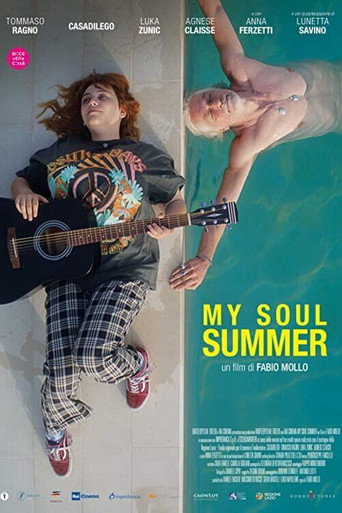
My Soul Summer
A shy 17-year-old girl playing classical piano discovers soul music through a strange friendship with an old rocker in a summer that will change her life.
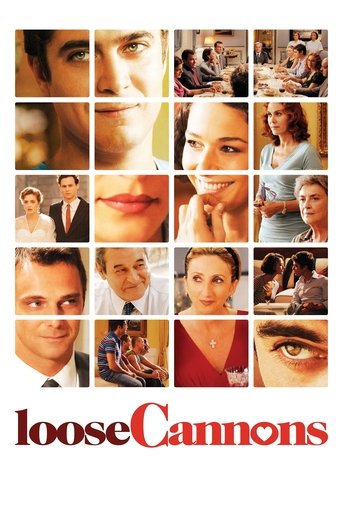
Loose Cannons
Tommaso is the youngest son of the Cantones, a large, traditional southern Italian family operating a pasta-making business since the 1960s. On a trip home from Rome, where he studies literature and lives with his boyfriend, Tommaso decides to tell his parents the truth about himself. But when he is finally ready to come out in front of the entire family, his older brother Antonio ruins his plans.
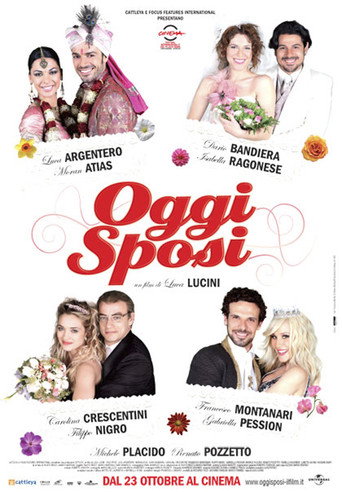
Just Married
Nicola, a policeman in Puglia, is a reformed ladies' man with his heart set on marrying the daughter of the Indian ambassador.
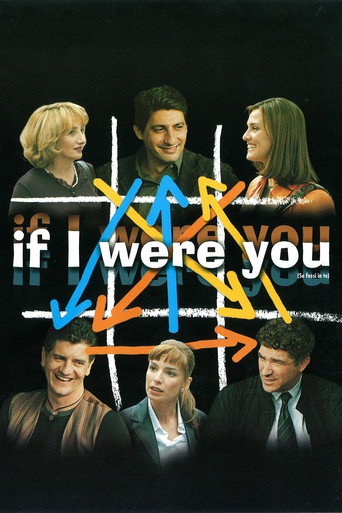
If I Were You
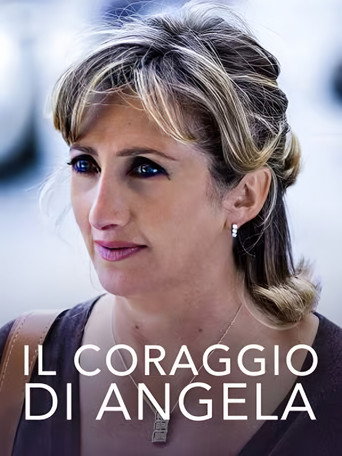
Il coraggio di Angela
Angela Latella is a Neapolitan entrepreneur who runs a paint shop with her children. When a Camorra boss decides to target her business with increasingly high protection money demands, she refuses to give in and, against everyone's advice, finds the courage to report her extortionists. Based on the true story of Silvana Fucito.

Bar Sport
Inside Bar Sport, a bar on the outskirts of Bologna managed by the histrionic Onassis, the adventures of regulars and casual patrons unfold. Searching for a pinball machine or a payphone, they encounter the omnipresent "technician," so called for his passion for soccer and always ready to chat or moderate other people's discussions. Thus, the ordeals of the handyman Bovinelli as he deals with the disasters at Muzzi's house, the diary of a provincial playboy's conquests, the sex life of the fiery prostitute Elvira, the search for a good restaurant during a dazed motorcycle trip with Cocosecco, or a trip to see Bologna play with the lawyer Della Lana become epic tales of tragicomic exploits.
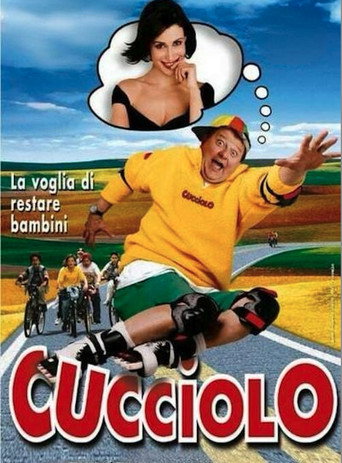
Cucciolo
Massimo is forty-two years old, but has been attending eighth grade for thirty-two years, in short he is a teenager in all respects. In reality, Massimo has always refused, on an unconscious level, to grow up and become part of society. Amedeo and Lucia, Massimo's eighty-year-old parents, obviously worried, go to a doctor who explains to them that their son suffers from Peter Pan Syndrome. Only a big shock can bring him back to normal.
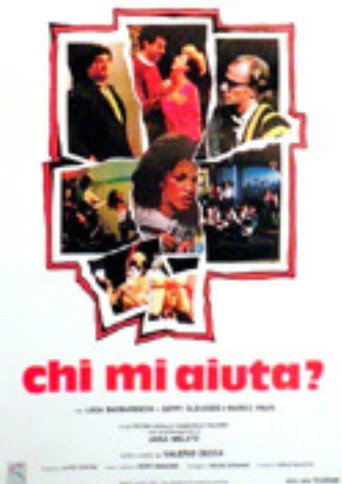
Chi mi aiuta?
Paolo and Carlo are good friends. The first introverted, disillusioned and intellectual, while the other is happy if shallow. Despite their differences they share accommodation. Paolo runs an “alternative” kind of library; Carlo plays the violin in a little band. Their lives go on peacefully, when suddenly Paolo falls in love with one of his a customers - Lili, an amateur actress - whom he decides to take home. Carlo doesn’t react well to the fact he’s got to share with a third person, so he comes up with a weird idea - he flirts with the new girl and manages to seduce her. Paolo thinks his best friend is now guilty of a real betrayal, while Lili is undecided: she’s attracted by both the culture of Paolo and the physical attraction of Carlo. This love triangle ends when Paolo tries to commit suicide, Carlo feels guilty and Lili leaves them both, returning to her previous life and still hoping to find her one true love.
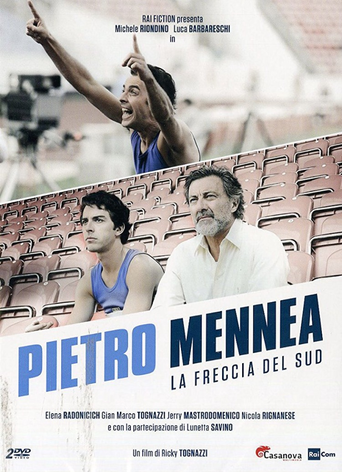
Pietro Mennea - La freccia del sud
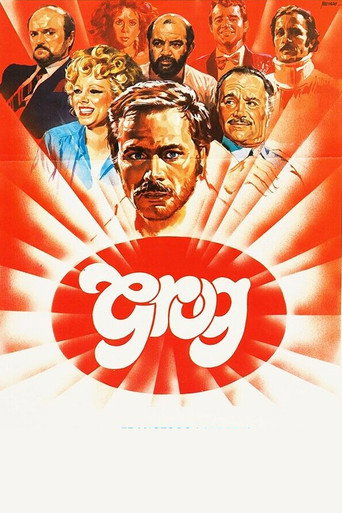
Grog
Two convicts escape from prison and evade the law by taking hostage the middle-class family of a doctor. One of the jailbirds calls the local television station, requesting that they broadcast his demand for a plane so they can escape the country. The television director and his crew show up to film the hostage crisis, and then things get progressively more bizarre and satirical. Not content with the living drama, he directs everyone's actions to make the event more newsworthy.
Gallery