Editing
No biography available.
Dialoguing directly with the trilogy of documentaries “Images of the Unconscious”, made between 1983 and 1986 and based on clinical cases and therapies with a humanist approach and artistic expression, conducted by the pioneering psychiatrist Nise da Silveira (1905-1999) – screenwriter of that film –, here is presented, in two parts, an interview with the doctor, a student of Carl Jung and a pioneer in the application of non-violent treatments for psychiatric patients, given to director Leon Hirszman, in 1986. The conversation is divided in two parts: the first, "The emotion of dealing", the second, "The egress".
Film in four segments: "Colagem", "Balanço", "Bandeira Zero" and "Sexta-Feira da Paixão, Sábado de Aleluia", having in common a strongly allegorical and gross protest tone in the approach of its subjects.
Documentary with fragments and records about the boundaries between art and counterculture, based on a debate held at the Museum of Modern Art, Rio de Janeiro, in October 1968.
This film shows people with constant psychological and social conflicts: the violence among outlaws, conflicts between man and woman, police and society.
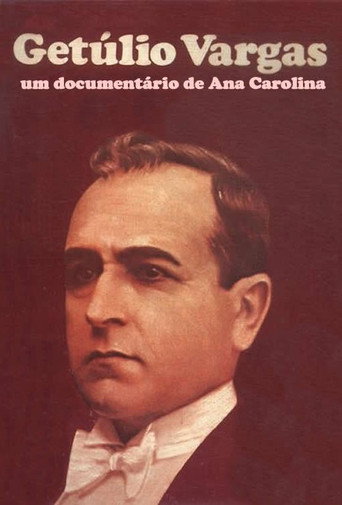
Documentary on one of Brazil's most controversial personalities: Getúlio Vargas, an ex-president.
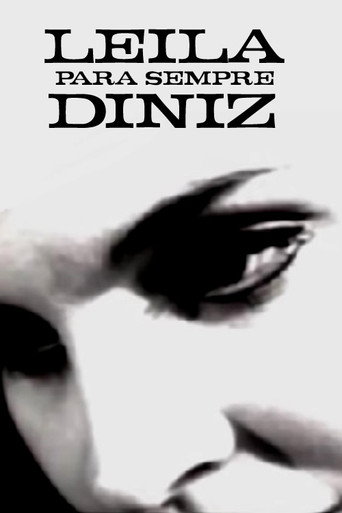
A documentary that presents home movies and several excerpts of known films of famous actress Leila Diniz. Friends of the late actress, tragic killed on a plane crash in 1972, discuss about her life, her work and her legacy in Brazilian culture.
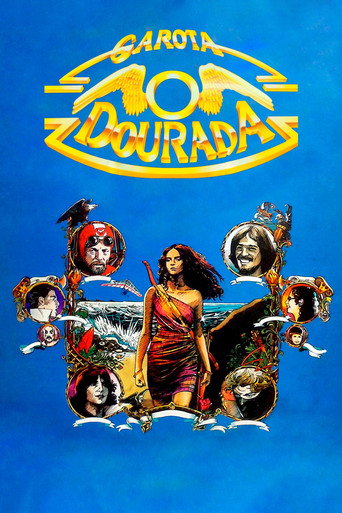
In a beautiful coastal retreat, a seductive young woman ignites a rivalry between two surfers vying for her affection. One of them is trying to move on from a past love, but when she unexpectedly reappears, he finds himself torn.
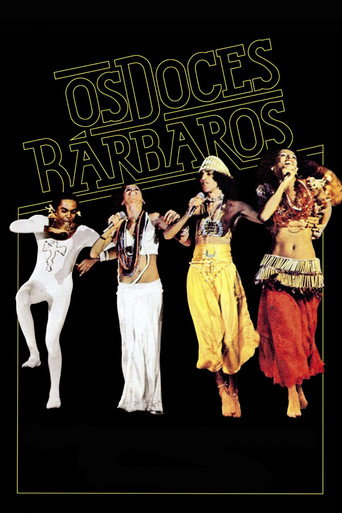
The film records the commemorative tour of the ten years of the career of the Bahia singers Caetano Veloso, Gilberto Gil, Maria Bethânia and Gal Costa, who formed the group with the name of Doces Bárbaros (Sweet Barbarians), at the suggestion of Bethânia. Conceived to present the shows of the live album that would be released (Doces Bárbaros - Live), the documentary changed of tone when registering the arrest and judgment of Gilberto Gil and of a companion by possession of drugs. Gil was forced to go to a detox clinic, and only went out to participate in the programmed shows.
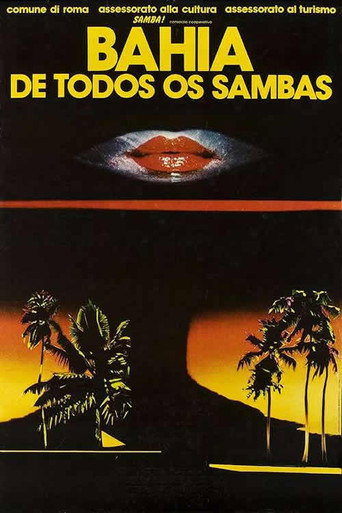
Between August 23 and 31, 1983, at the "Circo Massimo", in Rome, there was a musical event that brought together artists from Bahia. This film brings a recording of the event, also featuring backstage, rehearsals, testimonies and some relaxing moments of these great names in Bahia's music.
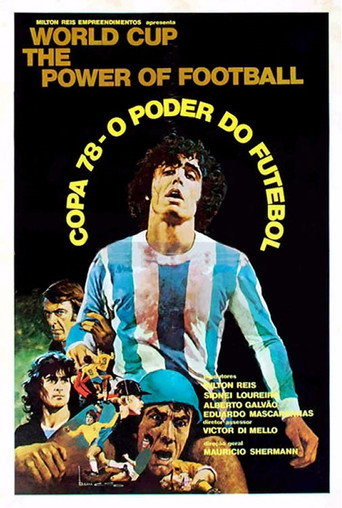
Documentary about the Football World Cup held in Argentina in 1978, focusing on the competition and behind the scenes of the most important soccer competition in the world. Two versions of the 1978 official film exist, the first "Copa 78 - O Poder do Futebol" was made by Brazilian directors Maurício Sherman and Victor di Mello in 1979 but was later withdrawn by FIFA because of its controversial content. The film includes an interview with Rodolfo Galimberti, one of the leaders of the Montoneros guerrilla group and also made accusations that the Argentinian competition organisation committee had deliberately hindered Brazilian chances of success by tampering with the pitch at Mar del Plata.
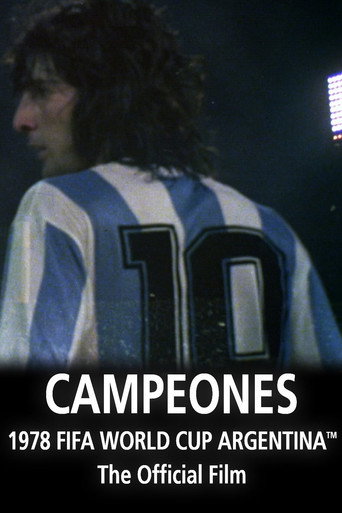
Argentina, as hosts in 1978, were under great pressure to succeed. Amidst passionate supporters, they progressed to the finals with a wonderful blend of attacking football and tough defending. The unlucky Dutch, now lacking Cruyffs' sublime skills, were the fall guys once again in the Final, losing 3-1 in a classic clash of styles. This 1991 reedited version omits controversial interviews from the 1978 original "Copa 78 - O Poder do Futebol", while also including additional television footage of the tournament and newly dubbed English narration instead of the original Spanish.
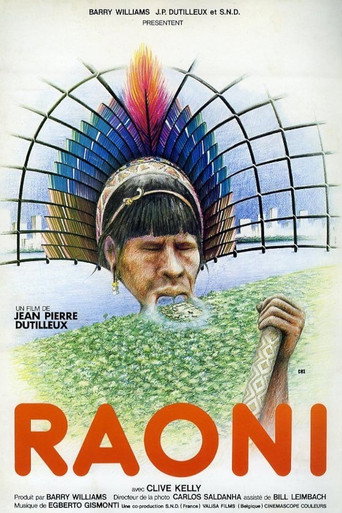
A documentary on the life of Raoni Metuktire. The film portrays issues surrounding the survival of the indigenous Indian tribes of north central Brazil.