Acting
Luiz Carlos Maciel (Porto Alegre, March 15, 1938 - Rio de Janeiro, December 9, 2017) was a Brazilian philosopher, writer, journalist and screenwriter.
Documentary about Brazilian filmmaker Glauber Rocha, one of the most important names in the Cinema Novo, with interviews with some of his friends and colleagues.
A look into the life and mind of Brazilian playwright and filmmaker Domingos Oliveira through his daily activities and artistic deeds.
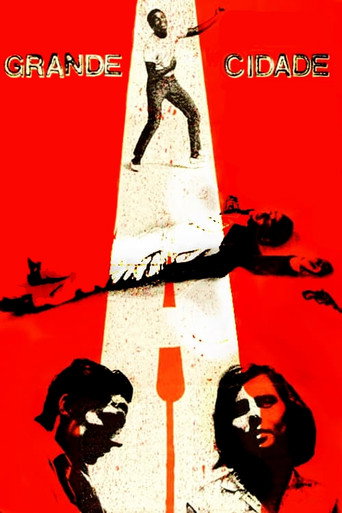
In search of a better life, Luzia leaves the Northeast of Brazil and goes to Rio de Janeiro, looking for her fiance who went first to pave their way. Alone in the Marvelous City, she is forced to accept the friendship and protection of Calunga and, later, the company of Inácio.
Chronicles the life of a 17 year-old girl living in the upper-class Rio de Janeiro neighbourhood of Ipanema. Márcia lives a life of parties and spend her days among bohemians, musicians and intellectuals. While seeming happy in the outside, she's extremely anguished inside. Based on the famous song by Antonio Carlos Jobim and Vinicius de Moraes.
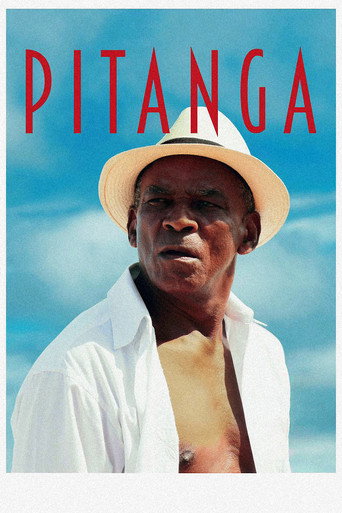
This documentary investigates the aesthetic, political and existential trajectory of emblematic Black Brazilian actor Antônio Pitanga. His career spans over five decades, and he has worked with iconic Brazilian filmmakers Glauber Rocha, Cacá Diegues and Walter Lima Jr. He was a prominent figurehead and outspoken activist during the Brazilian dictatorship, a period of unrest in Brazilian cinema. "Pitanga" deep dives into the world of Antônio and the history of Brazil. The documentary was directed by his daughter Camila Pitanga, one of widely recognised faces in Brazilian television and cinema right now. The film is also a poem, and a tender ode to fatherhood.
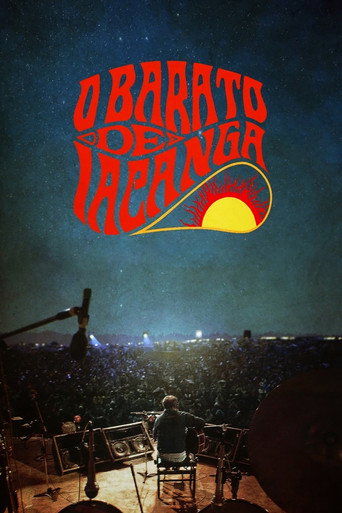
Participants recall a series of festivals held on a farm in Brazil during the '70s and '80s that evolved into liberating celebrations of music.
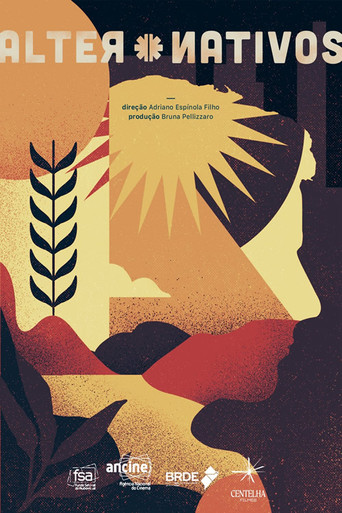
In the wake of the influence of the 1970s counterculture movement, dozens of alternative communities emerged in the country. Over time, new trends such as permaculture and agroforestry, coupled with the possibility of remote work and a search for a higher quality of life, have renewed interest in this lifestyle.
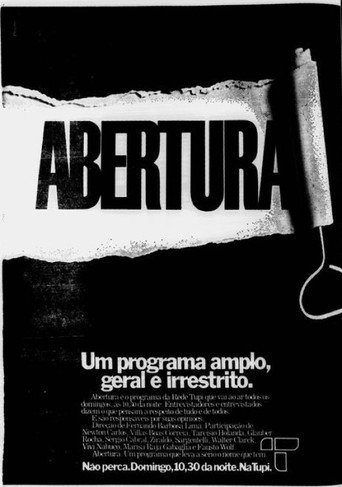
One of the most daring and radical shows presented in Brazilian television: "Abertura". It was broadcast between February and October, 1979, with weekly editions, presented by Brazilian filmmaker Glauber Rocha. The video is a compilation of characters, statements, and interviews about the political and cultural situation of the country during the final stages of the Military Dictatorship.
In a fictitious country, a civil servant receives the greatest inheritance in history (ten trillion dollars) and is confined by authorities to prevent a collapse of the world economy. But he manages to escape.
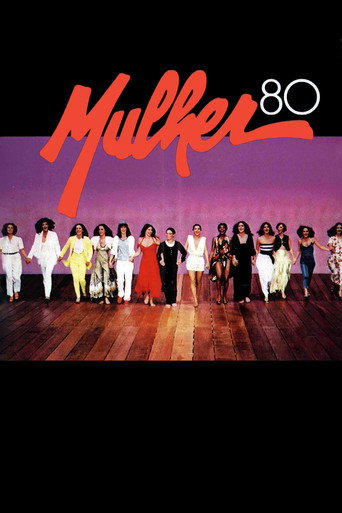
Mulher 80 emerged as a result of the success of 'Malu Mulher' (1979), a miniseries starring Regina Duarte, which addressed the female situation in Brazilian society at that time. The main focus of the special was the female presence in music, honouring the singers and songwriters of MPB with musical numbers and testimonials.
Two women from Méier, a suburban neighborhood of Rio de Janeiro, marry wealthy men who suddenly become millionaires. Displaced from their original social background and unsuited to wealth, the two wives must devise a plan to, acting like socialites, win over high society and win back their husbands.
After the great success of the Rio season of her show Saudades do Brasil, Elis Regina made this special with Globo. In a circus-inspired stage, she sings Alô, Alô, Marciano by Rita Lee and Roberto de Carvalho; O Bêbado e a Equilibrista by João Bosco and Aldir Blanc; and O Que Foi Feito (de Vera) by Milton Nascimento and Fernando Brant, amongst others.
The extraordinary story of Luiz Martins de Souza Dantas, who served as Brazilian Ambassador to Paris during WWII. A largely unsung hero, he defied his own government’s orders by granting hundreds of unauthorised visas to Jews and others facing imminent capture and death.
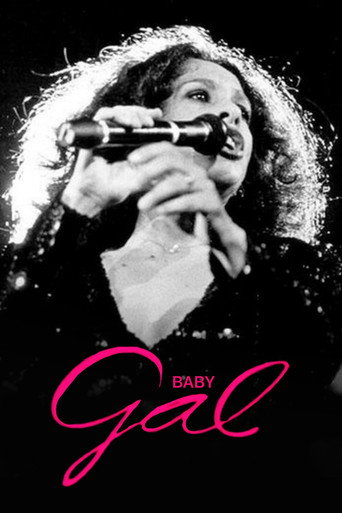
Gal Costa performed at the Ibirapuera Gymnasium in São Paulo for four consecutive nights. The "Baby Gal" special aired on Rede Globo on December 16, 1983, and served as the basis for promoting the self-titled LP, which would only be released a week after this year-end special.
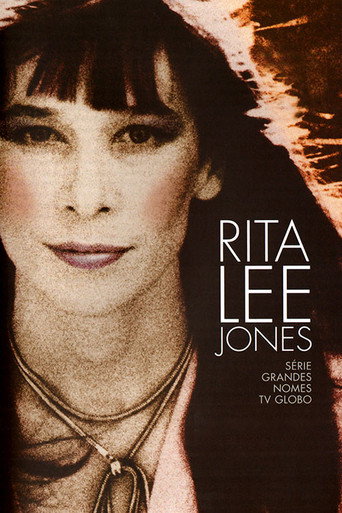
The brazilian star Rita Lee makes an exclusive concert to be part of the TV special "Grandes Nomes".