Production
Luiz Carlos Barreto Borges (Sobral, May 20, 1928) is a Brazilian photographer and film director.
Searching for Makunaima is a cultural and historical account of the most Brazilian character there is in fiction. The film begins with Makunaima, one of the founding myths of the native people from the border between Brazil-Venezuela-Guiana, first captured in the writings of the German ethnographer Koch-Grünberg at the beginning of the 1910s. With interviews in Portuguese, German, Spanish, and in the indigenous languages Macuxi and Taurepang, Searching for Macunaima reclaims this amazing character who represents Brazil in many ways (from literature to cinema to theatre) and remains relevant to date.
This film seeks to rescue the role of filmmaker Neville D'Almeida by using many rare images, numerous interviews, vast archival and audiovisual material.
This documentary shows a country that has lifted 36 million people out of extreme poverty in 12 years.
A film about remarkable moments in the History of Brazilian Photography, built through the eyes of Lauro Escorel. It also reflects on the impact of digital photography on contemporary society.
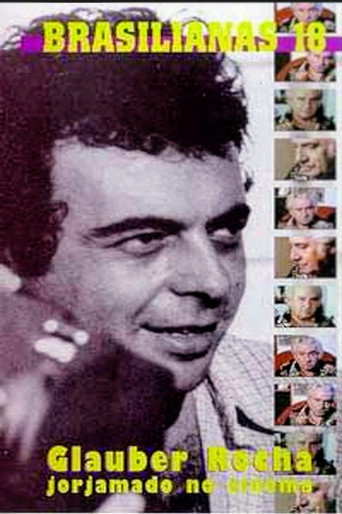
Jorge Amado no Cinema was made for a television program dedicated to the writer Jorge Amado. In this documentary, Jorge Amado is filmed in his home, surrounded by his large family; in a bookstore, during an autograph session of one of his books, in a cinema in Salvador, at the avant-première of the film Tenda dos Milagres, by Nelson Pereira dos Santos, an adaptation of the book of the same name by Jorge Amado. Glauber films his friend with a lot of humor and affection. The camera evolves slowly, incessantly and quickly over the writer, his family members, actors and actresses from Nelson's film, in addition to passing through objects of candomblé rituals that make up Jorge Amado's museum.
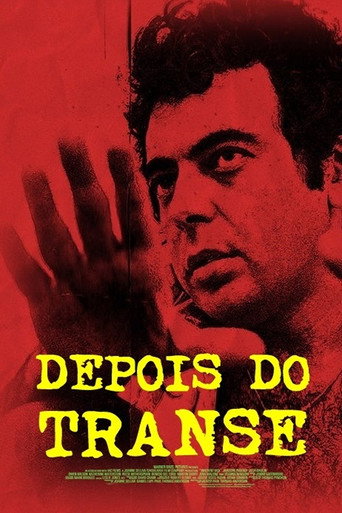
The documentary "Depois do Transe" covers the entire process of creating the masterpiece "Entranced Earth", which was released and awarded at the Cannes Film Festival in 1967. "Entranced Earth" charmed the world and won great admirers such as filmmaker Martin Scorsese and the writer Marguerite Duras, who at the time considered a "fabulous filmic opera."
The documentary is an investigation into the life of Mario Wallace Simosen, a man who commanded conglomerates of several companies and was threatened during the Military Dictatorship, when his rights were revoked.
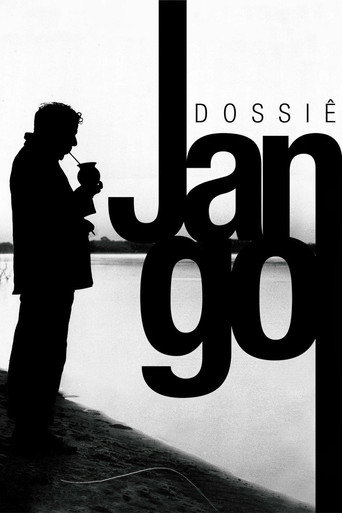
João Goulart (known as Jango) had been democratically elected president of Brazil, but was expelled from office after the coup of April 1, 1964. After that, Jango lived in exile in Argentina, where he died in 1976. The circumstances of his death in the neighboring country were not well explained today. His body was buried immediately after his death, raising the suspicions of premeditated murder. This documentary brings the issue back to the fore and tries to publicly clarify some obscure facts of the history of Brazil.
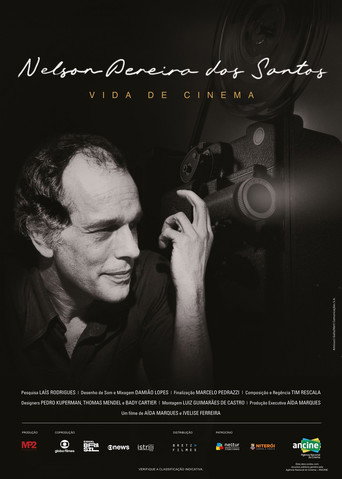
For six decades, the cinema of Nelson Pereira dos Santos has projected Brazil into the eyes of the world. Precursor of Cinema Novo, Nelson was, more than a director, he was an ideologue, a thinker of his country.
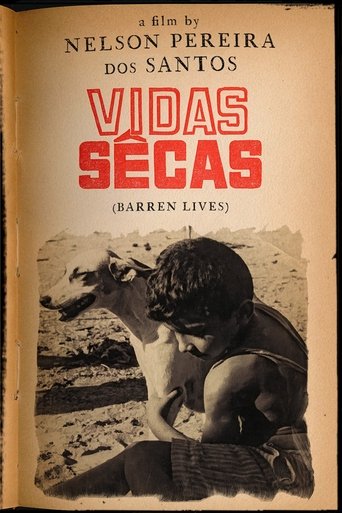
In vivid images, the documentary-like story of a drover and his family in the northern badlands of Brazil during the drought. A family in the search of new hope and destiny.
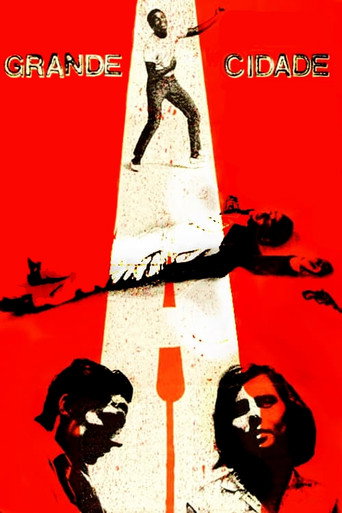
Fernando, a journalist, and his friend César join terrorist group MR8 in order to fight Brazilian dictatorial regime during the late sixties. César, however, is wounded and captured during a bank hold up. Fernando then decides to kidnap the American ambassador in Brazil and ask for the release of fifteen political prisoners in exchange for his life.
In the 1930s, novelist and politician Graciliano Ramos is accused of being a communist sympathizer. He is then arrested and sent to the Ilha Grande prison, where he experiences the disturbing treatment reserved for common prisoners.
A German governess is hired to give German and piano lessons to the teenager son of a rich traditional family, in the 20s. But soon they get involved, and she teaches him love lessons instead.
After being forced into a marriage and enduring a humiliating work routine in the hands of his father-in-law, Zé Araújo becomes the mythical Ojuara, an unconventional hero devoted to debauchery.
Solange is a recently married young woman whose wedding night did not end well. After constant fights with her husband, she decides to live through her sexual frustration by sleeping with strangers she picks up on crowded buses in Rio de Janeiro.
In search of a better life, Luzia leaves the Northeast of Brazil and goes to Rio de Janeiro, looking for her fiance who went first to pave their way. Alone in the Marvelous City, she is forced to accept the friendship and protection of Calunga and, later, the company of Inácio.
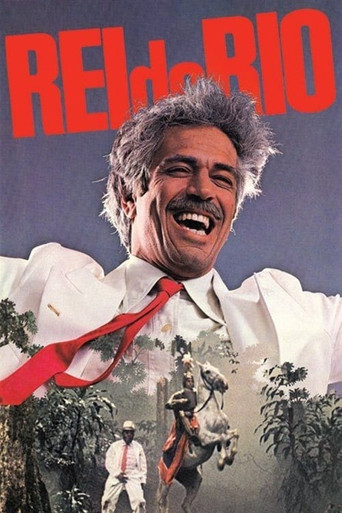
Two friends get rich running an illegal gambling business. But soon they start to compete, and become rivals.
An unhappily married cleaning woman in the slums of Rio entices all the money and gifts she can out of an elderly widower.
In a small town in Minas Gerais, the arrival of a young priest causes a commotion in the conservative atmosphere of the place, aggravated by the sudden attraction this priest feels for a beautiful girl. This forbidden love affair soon turns into an unbridled passion.