Directing
Luiz Alberto Pereira (Taubaté - 1951) is a Brazilian filmmaker, actor, director, composer and screenwriter.
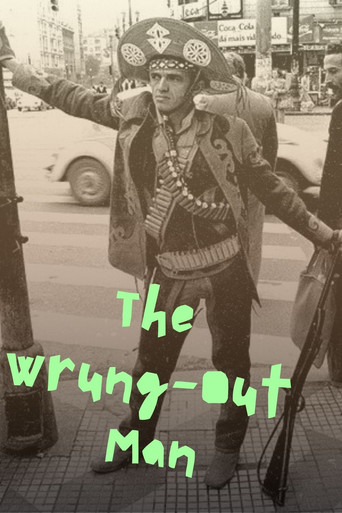
Deraldo, a popular poet from Northeast Brazil, arrives in the capital of São Paulo, making a living only from his poetry and pamphlets. All is well until he is mistaken for a multinational worker who killed the boss at a party where he received the title of symbolic worker.
Three artists from São Paulo - Leda Catunda, Leonilson and Ciro Cozzolino - talk about their work and the rebirth of painting through pop, conceptual art and graffiti.
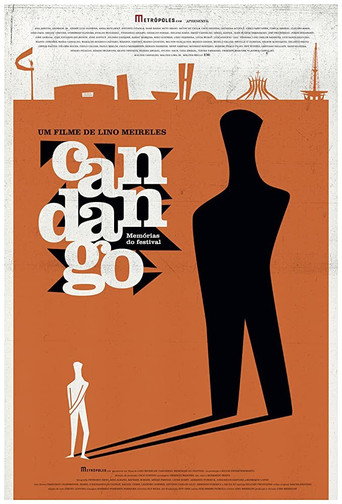
In 1965, a year after the military coup in Brazil, an oasis of freedom opened in the country's capital. The Brasília Film Festival: a landmark of cultural and political resistance. Its story is that of Brazilian cinema itself.
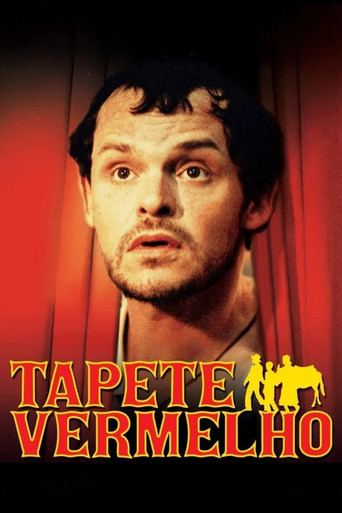
Quinzinho has a promise to keep: to take his son, Neco, to the city to watch a Mazzaropi movie. They live in a small farm in São Paulo. In this odyssey through the towns of São Paulo, he also takes his wife Zulmira, who goes unwillingly, and their donkey Policarpo. On their journey, they find regional peculiarities and undergo magical situations related to popular belief.
Biography of the brother and sister duo Celly and Tony Campello, famous singers in Brazil during the sixties, mainly for creating localized versions of international rock 'n roll hits.
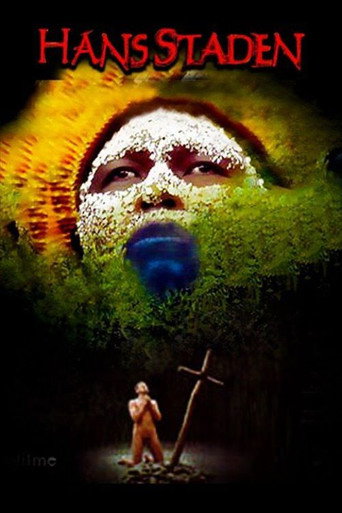
On the eve of his return to Europe after an extended involuntary stay in 16th-century Brazil, the German sailor Hans Staden is captured by a hostile cannibal Indian tribe. In order to survive he tries to convince the Indians that he is not Portuguese (their enemies) but a friend of the French (their allies), and that his God would be very angry if they were to eat him.
Documentary about 30 years of Brazilian politics, focusing on ex-president Jânio Quadros, a controversial persona, elected using the broom as a symbol (to sweep away corruption!). For some a pathetic and lunatic figure, for others the great responsible, with his resignation, for the dire events following his successor: the military coup.
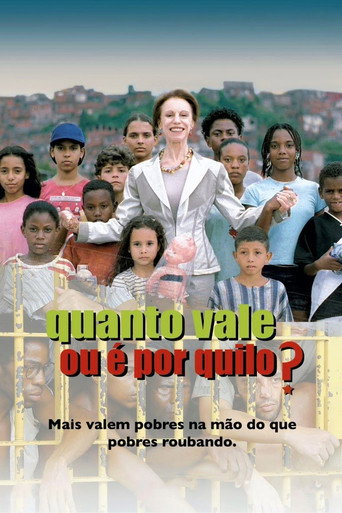
Free adaptation of Machado de Assis's short story "Pai Contra Mãe", having some of Nireu Cavalcanti's 18th Century chronicles as inspiration, the film traces parallels between life in during the slavery period and in modern Brazil.