Directing
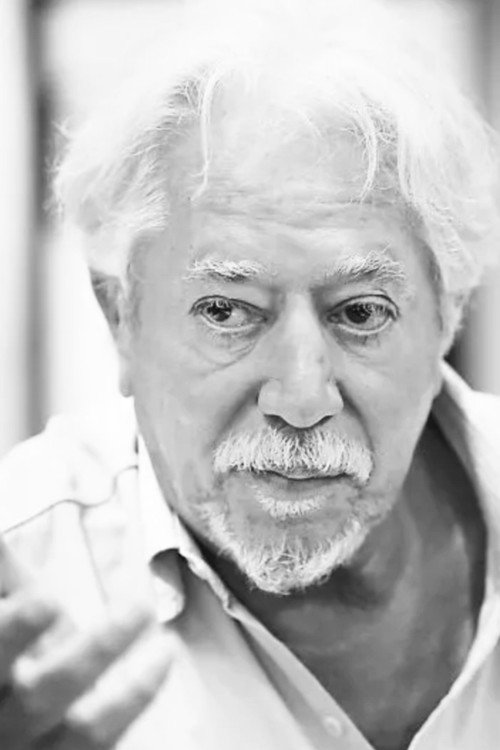
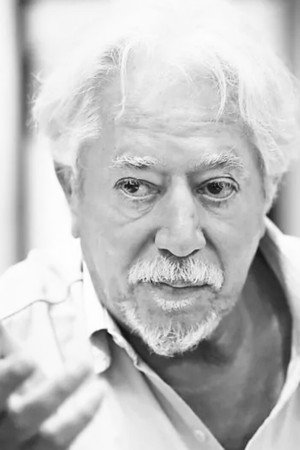
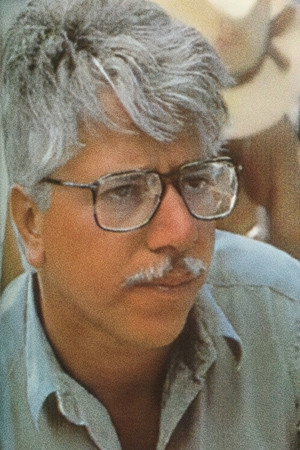
Luis Puenzo (1946-2026) was an Argentine director who won his country's first Oscar Academy Award with "La historia oficial".
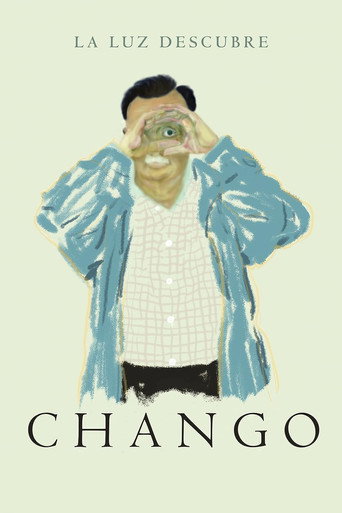
Félix Monti is synonymous with cinematography in Argentina. From his early steps in the legendary San Miguel studios to his recent work in large-scale Argentine film productions, Chango has never stopped working. Directors Alejandra Martín and Paola Rizzi, also colleagues of his, chose not to shoot a motionless documentary and filled it with vitality –the same vitality the experienced cinematographer moves around with in every shoot or stage he sets foot in.
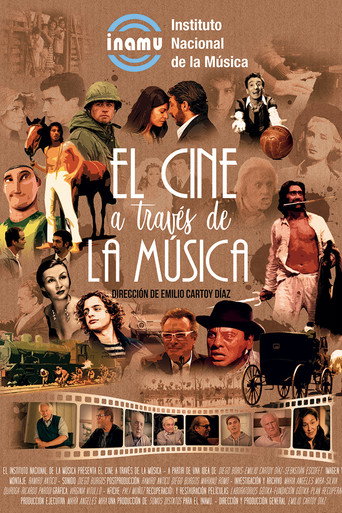
Tribute documentary on the relationship between music and image in the cinema, as a constitutive part of it, with great musical moments in Argentine films together with the words of those who compose and direct.
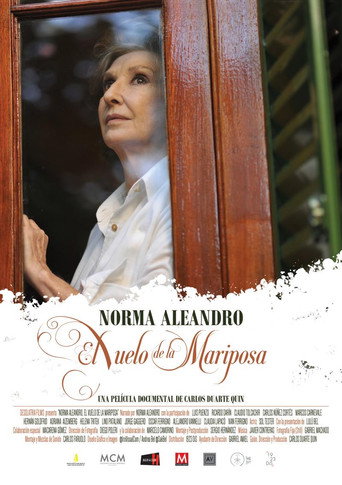
Based on short stories and poems written by the actress, this documentary compiles fragments of the artist's life, configuring a story about the path traveled and an extensive career in film, theater and television.
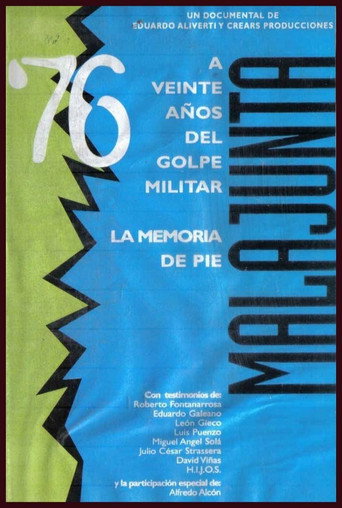
Documentary about Argentina's last military dictatorship and the legacy of one of the most brutal waves of repression, death and horror in Latin American history. Numerous people—historians, musicians, journalists, children of the desaparecidos (the disappeared) and others—talk candidly about how difficult it has been to uncover information about the whereabouts of the 30,000 missing men and women who were kidnapped and presumed murdered by the military. The intensely personal stories about missing relatives and the scope of the military junta's repressive policies also explain why, even now, many people resist coming to terms with Argentina's bloody past.
Documentary that gathers the testimonies of more than twenty contemporary Argentine film directors. Through interviews, filmmakers from different generations and tendencies reflect on the craft of directing, creative difficulties, and the challenges of the local industry. The diversity of voices ranges from established figures to representatives of the new Argentine cinema, offering a panorama of the different ways of conceiving and practicing filmmaking.
Alex, an intersexed 15-year-old, is living as a girl, but she and her family begin to wonder whether she's emotionally a boy when another teenager's sexual advances bring the issue to a head. As Alex faces a final decision regarding her gender, she meets both hostility and compassion.
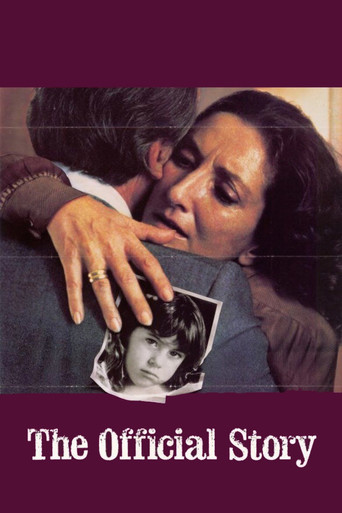
Buenos Aires, Argentina, 1983. In the last and turbulent days of the military dictatorship, Alicia, a high school history teacher, begins to ask uncomfortable questions about the dark origins of Gaby, her adopted daughter.
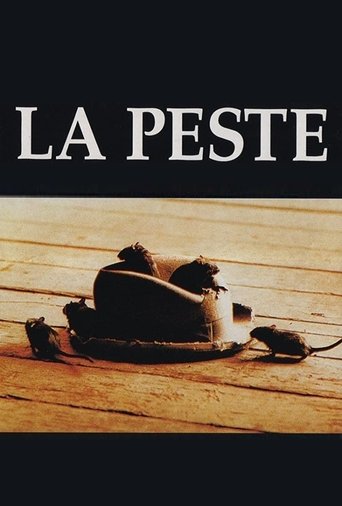
In a city in South America an outbreak of bubonic plague occurs. While people try to flee and the military close the city, an idealistic doctor decides to stay and help the sick. In the ever-changing circumstances, he puts up a brave fight, being helped by others but also involving them without being able to control the situation.
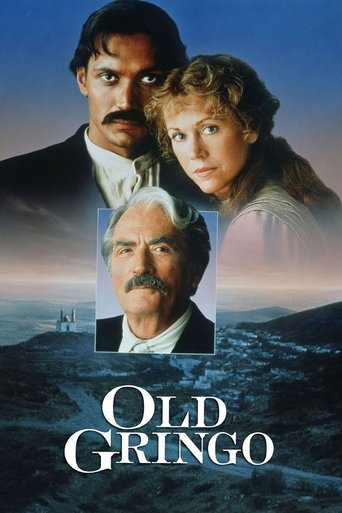
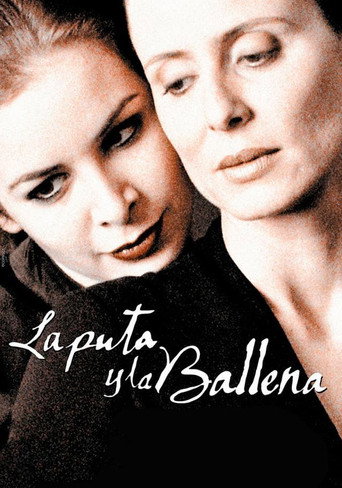
A writer forms a triangle with a schoolmarm and a Mexican general on the run.
A Spanish writer finds an old coffer with photographs of an Argentine man who fought and died in the Spanish Civil War, and of a woman. Her quest for answers brings Vera to the Argentine Patagonia.
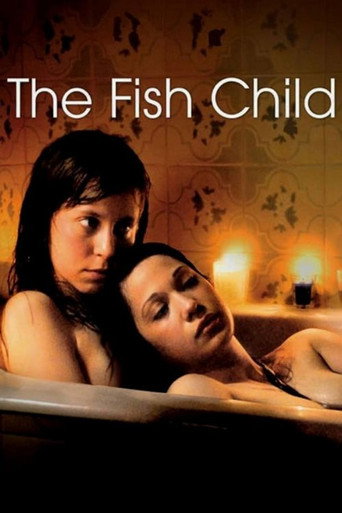
A desperate love story between two young girls of extremely different social backgrounds who, unable to find a place for their love in the world they live in, are pushed to commit a crime.
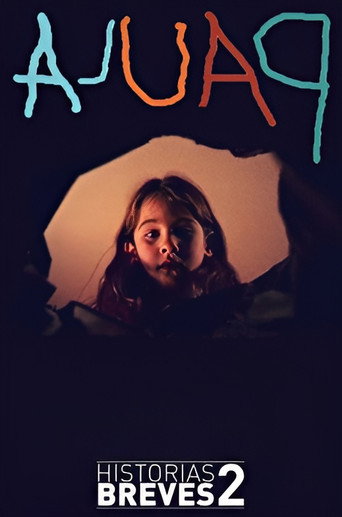
The military coup of '76 means that the birthday of a little girl named Paula does not pass normally.
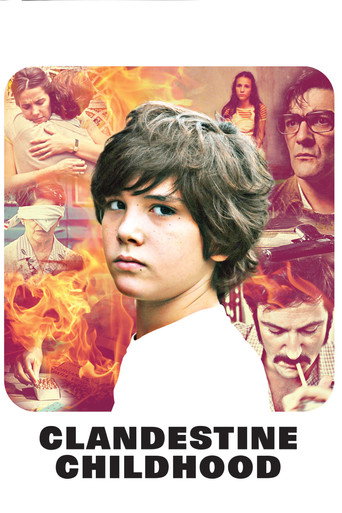
Juan lives in clandestinity. Just like his mum, his dad and his adored uncle Beto, outside his home he has another name. At school, Juan is known as Ernesto. And he meets María, who only has one name. Based on true events, set in the Argentina of 1979, this film is one about love.